We Accept Most Major Insurance Plans & Offer Flexible Financing Options


Removable overdentures that clip or snap onto a small number of dental implants, offering greater stability than conventional dentures, at our Richmond Avenue office.
Or call our Staten Island office: (718) 948-2900
5.0 on Google · Read our reviews
If you’ve been living with loose or uncomfortable dentures, you know how much they can affect your daily life. Eating, speaking, and smiling with confidence is a huge challenge when your denture shifts or requires adhesives just to stay in place. Implant-supported overdentures offer a more secure and long-lasting alternative, anchoring your restoration directly to dental implants placed in your jaw for a fit that feels far more natural than traditional removable dentures.
At Legacy Oral Surgery Group, we provide implant-supported overdentures in Staten Island for patients who are ready to leave the frustrations of conventional dentures behind. Our team of oral surgeons brings more than 25 years of combined oral and maxillofacial experience to every patient, and our Staten Island oral surgery practice is equipped with the advanced technology needed to guide you through each step of this process with precision and care. We are here to help you find a solution that works for your life and improves your confidence.
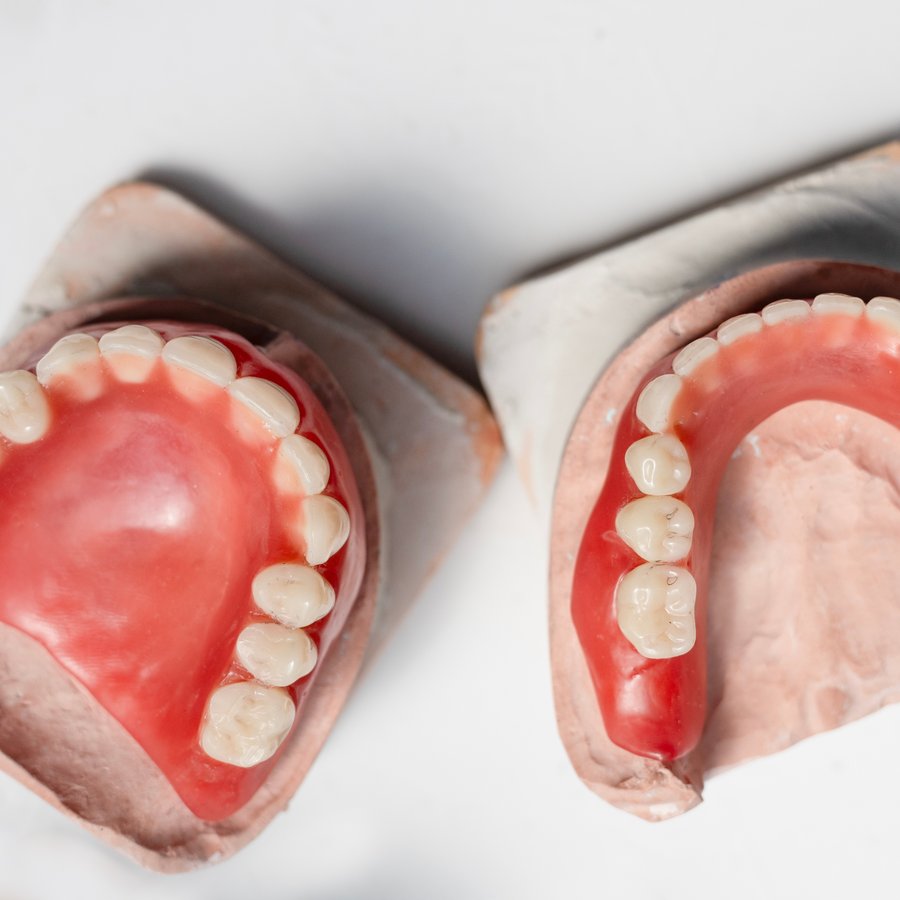
Implant-supported overdentures are removable prostheses that attach to a small number of dental implants placed in the jawbone. Unlike traditional dentures that rest on the gums, these restorations clip or snap onto the implants, offering greater stability than conventional dentures can provide.
Traditional dentures rely entirely on the gum tissue and jaw ridge for retention. Over time, as the jaw loses bone density, the fit deteriorates, making them more prone to slipping and sliding and causing embarrassment. Implant-supported overdentures use the implants themselves as anchors, which means less movement, less need for adhesive, and a more comfortable overall experience.
The terms are often used interchangeably. Both describe a denture stabilized by implants that can still be removed for cleaning. The primary distinction lies in the number of implants used and the type of attachment, which our team will evaluate based on your specific anatomy and needs.
Most adults who are missing all of their teeth in the upper or lower jaw, or both, may be good candidates for this treatment. A thorough evaluation of your bone density, gum health, and overall medical history is necessary before moving forward with any kind of plan.
Bone loss is common in patients who have worn dentures for many years. In some cases, a bone graft may be needed before implants can be placed. This procedure rebuilds the jawbone so it can support the implants properly, and our team regularly performs this preparatory treatment right in our office.
Age alone is not a disqualifying factor. We treat patients across a wide range of ages and health backgrounds. Certain health conditions may require additional planning, and we work closely with your other healthcare providers as needed to ensure your care is coordinated and safe.
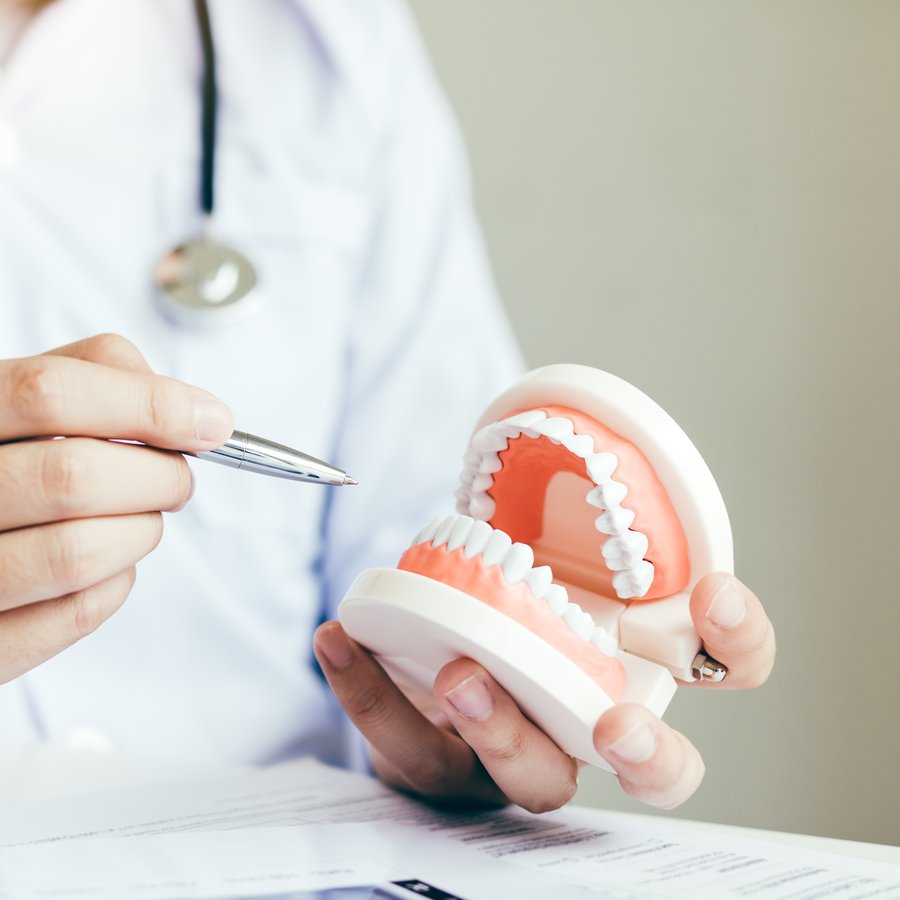
The process takes place over several appointments and typically follows a clear sequence from evaluation to final placement.
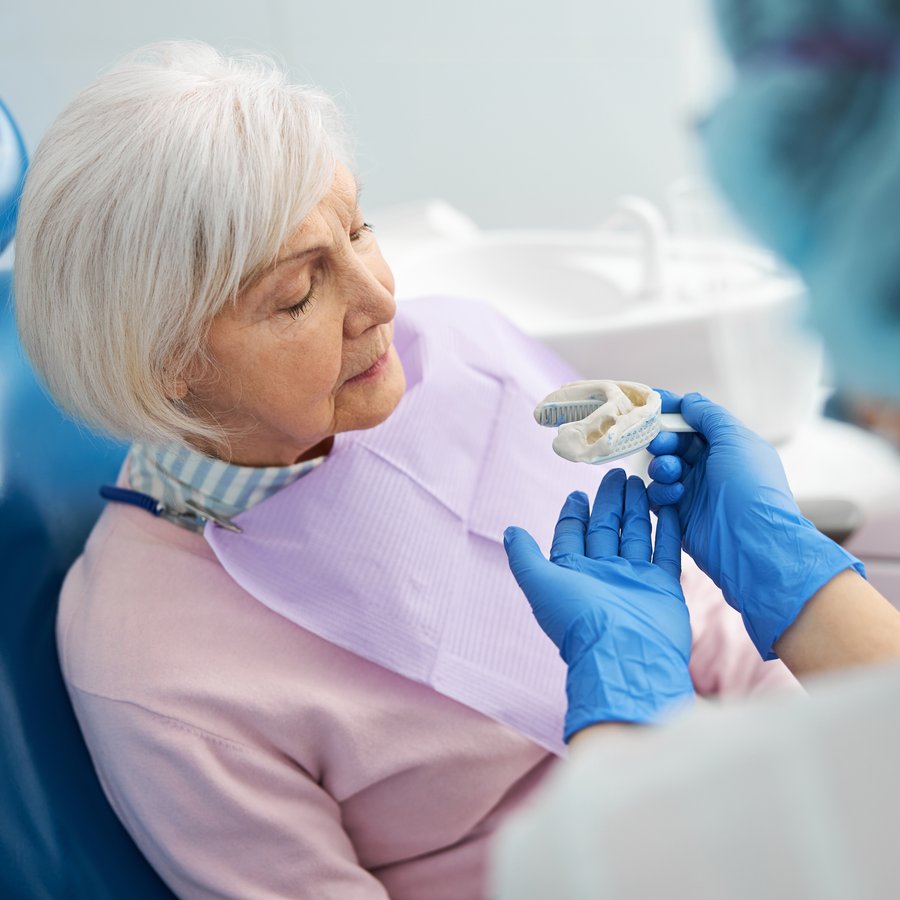
At your first visit, we take detailed imaging and review your dental and medical history. This allows us to develop a treatment plan tailored to your jaw structure, bone availability, and aesthetic goals. You will have the opportunity to ask questions and understand exactly what to expect at each stage.
Implant placement is a surgical procedure performed under local anesthesia, with sedation options available for patients who prefer a more relaxed experience. The implants start with small titanium posts inserted into the jawbone. Over the following weeks, they fuse with the bone in a process known as osseointegration. According to research published by the National Institutes of Health, implant-supported overdentures consistently demonstrate high patient satisfaction and improved quality of life compared to conventional dentures.
Once the implants have fully integrated with your jawbone, the overdenture is fabricated and fitted with the appropriate attachment mechanism. At this appointment, we verify the fit, bite, and comfort before you leave with your new restoration. Adjustments can always be made as needed to ensure it fits you properly.
Caring for your overdenture is straightforward and important for the long-term health of both the prosthesis and the supporting implants. You should remove the overdenture each night to clean it and allow your gum tissues to rest. Use a soft brush and a non-abrasive cleanser to clean both the prosthesis and the attachment areas.
Our team provides thorough aftercare guidance at each visit, and the information available through our patient resources page can help you stay on track between appointments. Regular follow-up visits allow us to monitor the health of your implants, check the condition of the attachments, and make any necessary adjustments as your mouth changes over time. Like natural teeth, implants and the surrounding bone benefit from ongoing professional visits.

At Legacy Oral Surgery Group, we understand that replacing missing teeth is about more than restoring your smile. It is about reclaiming comfort, confidence, and quality of life. Our oral surgeons bring over 35 years of combined experience to every patient who walks through our doors. We use the latest techniques and equipment to deliver results that are both functional and designed to last.
If you are ready to learn whether implant-supported overdentures in Staten Island are the right solution for you, we encourage you to contact us to request a consultation with our team. We look forward to helping you move forward with a smile you finally feel good about.
Or call (718) 948-2900
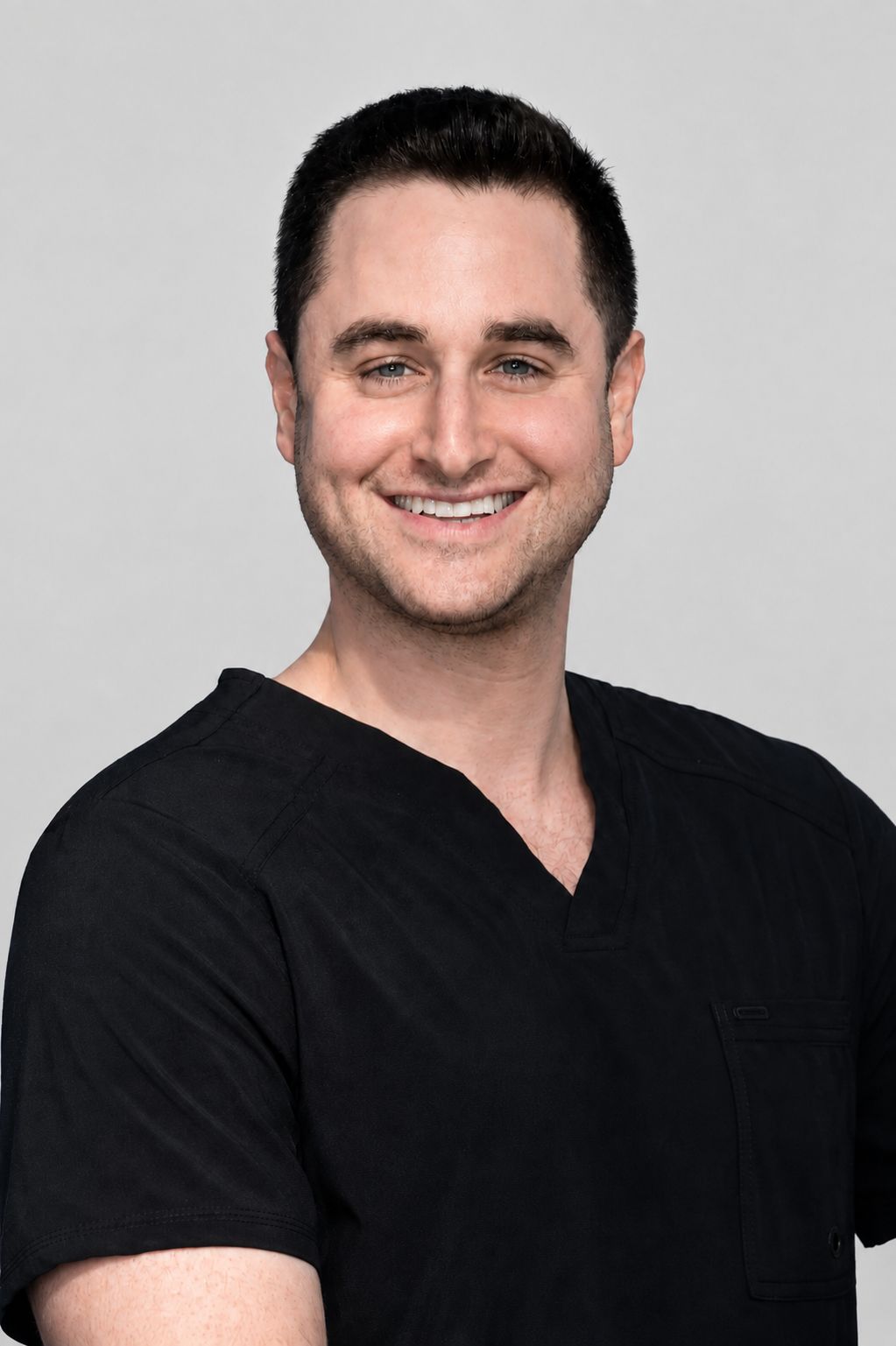
Oral & Maxillofacial Surgeon
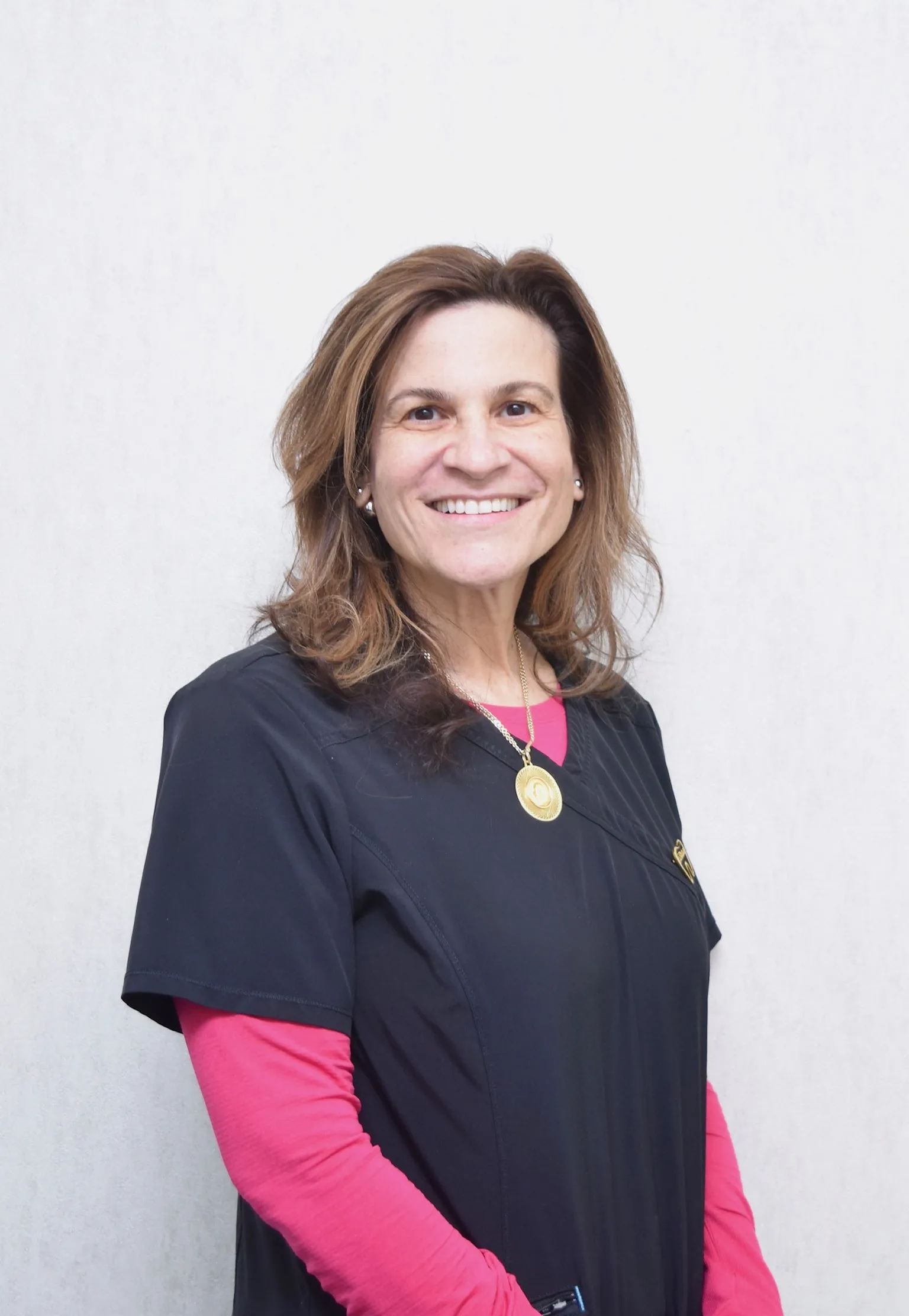
Oral & Maxillofacial Surgeon
The number varies based on your anatomy and needs, and your team will evaluate the appropriate number and attachment type during your consultation.
Yes. Unlike fixed restorations, implant-supported overdentures are designed to be removed by you each night for cleaning and to allow your gum tissue to rest.
With proper care and regular follow-up visits, the implants themselves can last many years, though the overdenture itself may need periodic adjustment or replacement over time.
Some patients with bone loss need a bone graft first to rebuild the jawbone so it can support the implants properly. This is evaluated during your initial consultation.
Age alone is not a disqualifying factor. Patients across a wide range of ages and health backgrounds can be candidates, though certain health conditions may require additional planning.
Coverage varies by plan and the specifics of your treatment. Our office staff can help you review your benefits and understand your options.