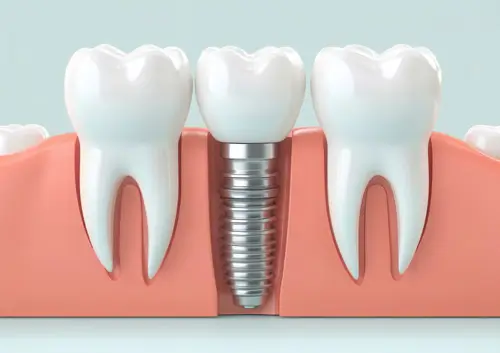
Getting dental implants is a significant step toward restoring your smile and oral function after tooth loss. Once the implant is placed, your body begins a healing process that creates a strong bond between the implant and your jawbone. This biological process, called osseointegration, moves through distinct stages over several months. Knowing what happens during each phase helps you manage expectations, care for your new implants properly, and recognize when something may need attention.
At Legacy Oral Surgery, our oral and maxillofacial surgeons, including Dr. Nancy Herbst, Dr. Hillel Kaye, and Dr. David Farkas, guide patients through every stage of the dental implant process, from initial consultation through complete recovery. With more than 35 years of combined surgical experience, our team provides detailed aftercare instructions tailored to each patient’s anatomy and health history. With proper care and patience during healing, implants can provide a lifetime of comfortable, functional, natural-looking tooth replacement.
Stage 1: The First Week After Surgery
The initial stage of dental implant healing begins immediately after placement and focuses on soft tissue recovery around the implant site. During the first 24 to 48 hours, you may experience bleeding, swelling, and discomfort as your body responds to the procedure. These symptoms are normal and can be managed with prescribed pain medications, cold compresses applied to the outside of the face, and rest. A protective blood clot forms at the implant site during this time, and avoiding activities that could dislodge it is essential.
By days three through seven, swelling typically peaks and then begins to subside. The gum tissue starts to close around the implant site, and most patients can return to normal activities while still avoiding strenuous exercise. Your diet during the first week should consist entirely of soft foods, such as yogurt, smoothies, mashed potatoes, eggs, and pasta. Proper nutrition supports healing, so focusing on protein-rich choices and staying well hydrated makes a measurable difference. Gentle oral hygiene around the surgical site is essential, and you should follow your surgeon’s specific instructions for rinsing and brushing near the area.
Stage 2: Weeks Two Through Four
By the second week, most of the initial discomfort and swelling should have decreased significantly. Soft tissue healing continues as the gums adapt around the implant, and your body begins the early stages of osseointegration. During this phase, osteoblasts (bone-forming cells) begin depositing new bone tissue around the implant surface. This activity is not visible or noticeable to you, but it establishes the critical foundation for long-term implant stability.
Your diet can gradually expand to include softer solid foods as comfort allows, but continue to avoid anything hard, crunchy, or chewy that could place pressure on the implant site. Most patients can resume normal oral hygiene routines, including gentle brushing around the implant area. Warm salt water rinses, using one-half teaspoon of salt in eight ounces of warm water several times daily, can help keep the area clean and promote healing without disrupting the tissue.
Stage 3: Months One Through Three
The period between one and three months after surgery is the most active phase of osseointegration. During this time, the majority of bone-to-implant contact is established as osteoblasts continue creating new bone directly on the implant surface. The titanium material used in dental implants is biocompatible, meaning bone cells attach to it without recognizing it as a foreign body. This property is what makes dental implants such a reliable, long-lasting tooth replacement option.
Although you will likely feel completely normal during this phase, the healing process beneath the surface remains delicate. Follow all care instructions and attend scheduled follow-up appointments so your oral surgeon can monitor progress through clinical exams and imaging. Depending on your treatment plan, this may be when temporary restorations are placed to improve function and aesthetics while final healing continues. Most patients return to their normal diet by this stage, though caution with very hard foods is still recommended until osseointegration is confirmed.
Ready to Schedule Your Consultation?
Our board-certified oral surgeons are here to help you find the right treatment. Schedule your appointment today.
Stage 4: Abutment Placement and Final Restoration
Once osseointegration is complete and confirmed through imaging, your oral surgeon will place the abutment, the connector piece that links the implant post to your final crown. Abutment placement is a minor procedure performed under local anesthesia, and recovery from it is typically brief, usually one to two weeks of minor gum tenderness around the connection point.
After the gum tissue heals around the abutment, impressions or digital scans of your bite are taken to fabricate the final crown. The crown is designed to match the shape, size, and color of your surrounding teeth. Once placed, the implant looks, feels, and functions like a natural tooth. The full timeline from implant placement to final crown varies by patient, typically ranging from three to six months for straightforward cases, and longer for patients who required bone grafting or other preparatory procedures. If you needed bone grafting prior to implant placement, your total timeline from grafting through final restoration may span nine to eighteen months.
Factors That Affect Healing Speed
No two patients heal on exactly the same timeline. Several factors influence how quickly osseointegration progresses and when you will be ready for your final restoration.
Overall health plays a significant role. Uncontrolled diabetes slows wound healing and increases the risk of infection at the implant site. Smoking constricts blood vessels and reduces oxygen delivery to healing tissue, which is why smokers have substantially higher implant failure rates than non-smokers. Bone density and quality at the implant site also affect the speed and completeness of osseointegration, with denser bone generally producing faster integration.
Medication use matters as well. Certain medications, including bisphosphonates used to treat osteoporosis, can affect bone metabolism and implant outcomes. Always disclose your complete medication list to your oral surgeon before implant placement so potential interactions can be addressed in your treatment plan. Attending all follow-up appointments allows your surgeon to identify and address any issues before they affect the final result.
Warning Signs to Watch for During Healing
Most patients progress through implant healing without significant complications. However, it is important to know which symptoms warrant a call to your oral surgeon rather than watchful waiting.
Persistent or worsening pain beyond the first week, rather than gradually improving discomfort, can signal an infection or implant positioning issue. Swelling that increases after the first three days rather than subsiding, or new swelling that appears after a period of normal healing, also warrants attention. Implant mobility, a feeling that the implant is loose or shifting, is a serious sign that osseointegration may not be progressing correctly and should be evaluated promptly. Numbness or tingling that persists beyond the first few days should also be reported, as it may indicate nerve involvement that needs assessment. If you notice any of these signs, contact your oral surgeon rather than waiting for your next scheduled appointment. Early intervention for managing dental implant complications gives the best chance of preserving the implant.
Choose Legacy Oral Surgery for Dental Implant Care
Our surgeons use state-of-the-art equipment and advanced surgical techniques to optimize implant placement, which directly influences healing success. Each patient receives a customized treatment plan based on unique oral anatomy, bone density, and overall health. We believe informed patients have better outcomes, which is why we take time to explain each stage of dental implant healing and provide comprehensive aftercare support at every follow-up visit.
Whether you are considering dental implants, are currently in the healing process, or have questions about the timeline, we invite you to contact our team and schedule a consultation at our Union City, Elizabeth, or Staten Island office.
Frequently Asked Questions About Dental Implant Healing
How long does it take for a dental implant to fully heal?
The full healing process from implant placement to final crown typically takes three to six months for straightforward cases. Patients who required bone grafting before placement may have a total timeline of nine to eighteen months from grafting through final restoration. Osseointegration, the process by which the implant fuses with the jawbone, drives this timeline and must be confirmed through imaging before the abutment and crown are placed.
What is osseointegration and why does it matter?
Osseointegration is the biological process by which the jawbone fuses directly with the surface of the titanium implant post. This fusion creates a stable anchor for the crown and is what gives implants their strength and longevity. Without complete osseointegration, the implant cannot support normal biting forces. The process takes three to six months and is confirmed through clinical evaluation and imaging before proceeding to the final restoration.
What can I eat while my dental implant is healing?
During the first week, stick to soft foods such as yogurt, smoothies, mashed potatoes, eggs, and pasta. By the second and third weeks, you can gradually reintroduce softer solid foods as comfort allows. Most patients return to their normal diet by months one through three, though very hard or crunchy foods should still be avoided until osseointegration is confirmed. Your oral surgeon will advise on when it is safe to expand your diet at each follow-up visit.
Does smoking affect dental implant healing?
Yes, smoking significantly affects dental implant healing. Smoking constricts blood vessels and reduces oxygen delivery to the healing tissue surrounding the implant, slowing the osseointegration process and increasing the risk of infection and implant failure. Smokers have substantially higher implant failure rates than non-smokers. Most oral surgeons recommend stopping smoking before implant placement and throughout the healing period to give the implant the best chance of long-term success.
When should I call my oral surgeon during implant healing?
Contact your oral surgeon if you notice pain that worsens rather than improves after the first week, swelling that increases after the third day or reappears after a period of normal healing, any sense that the implant feels loose or mobile, or numbness and tingling that persists beyond the first few days. These symptoms can indicate infection, implant instability, or nerve involvement, all of which respond better to early intervention than to waiting.