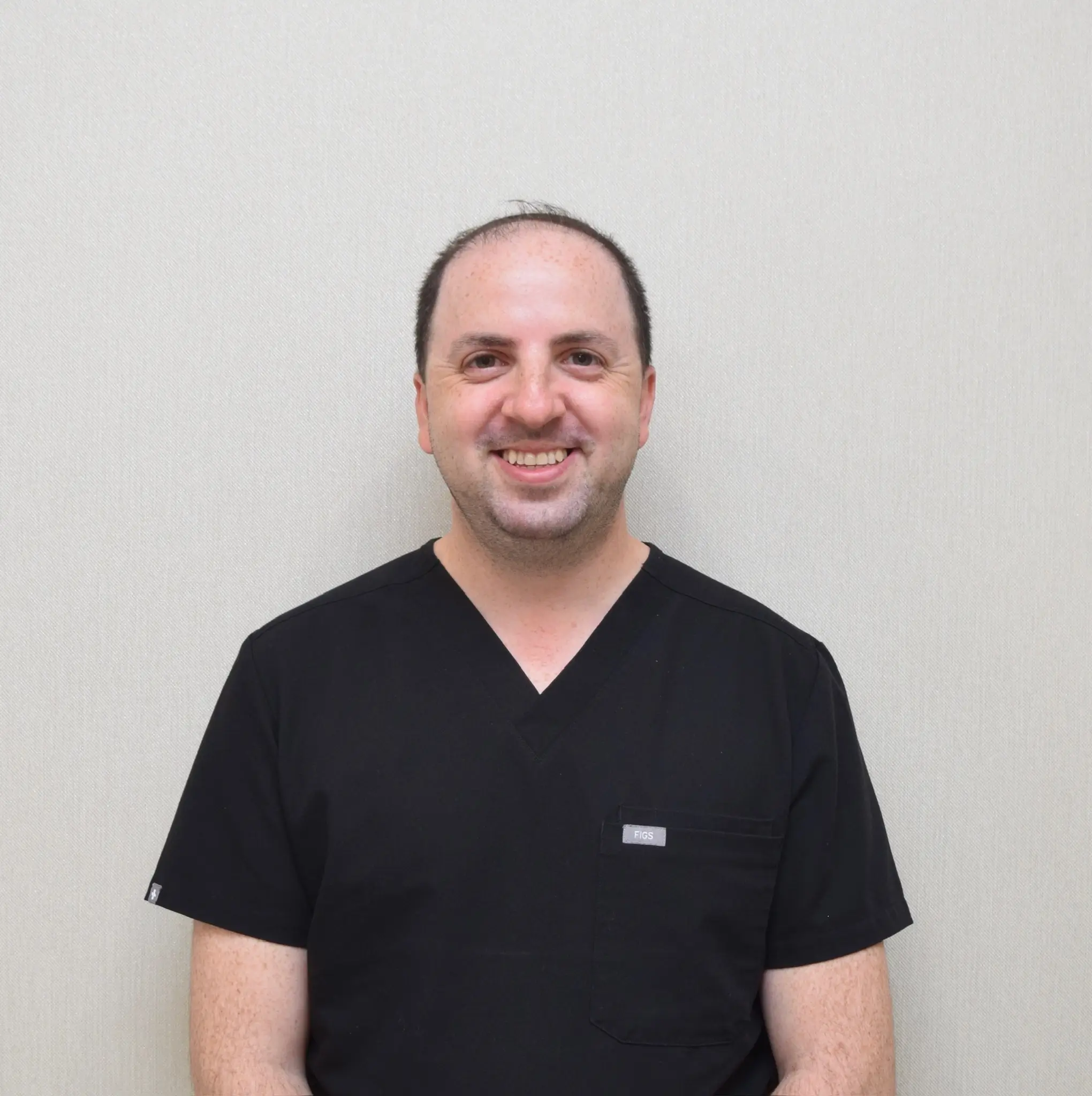
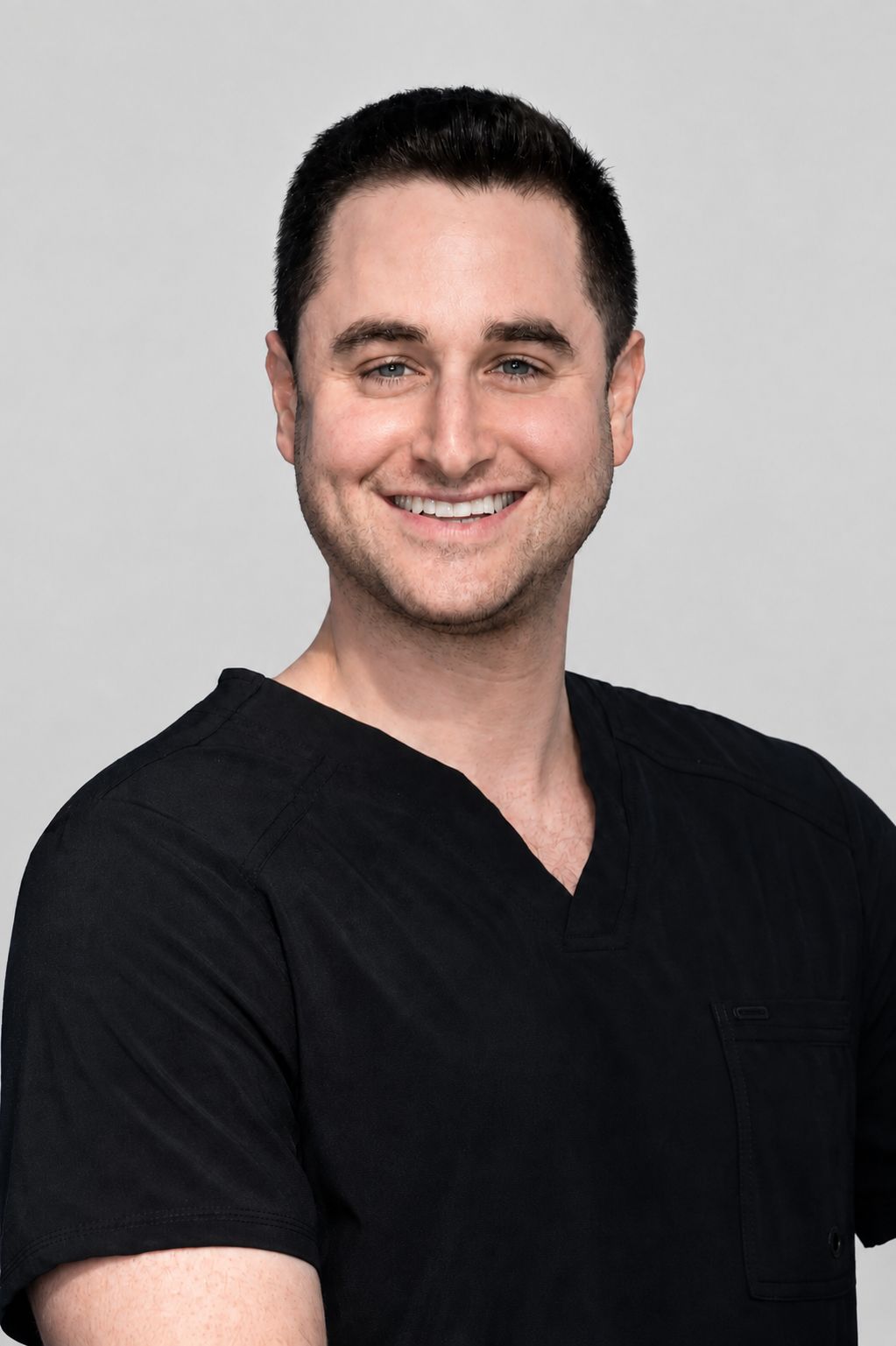
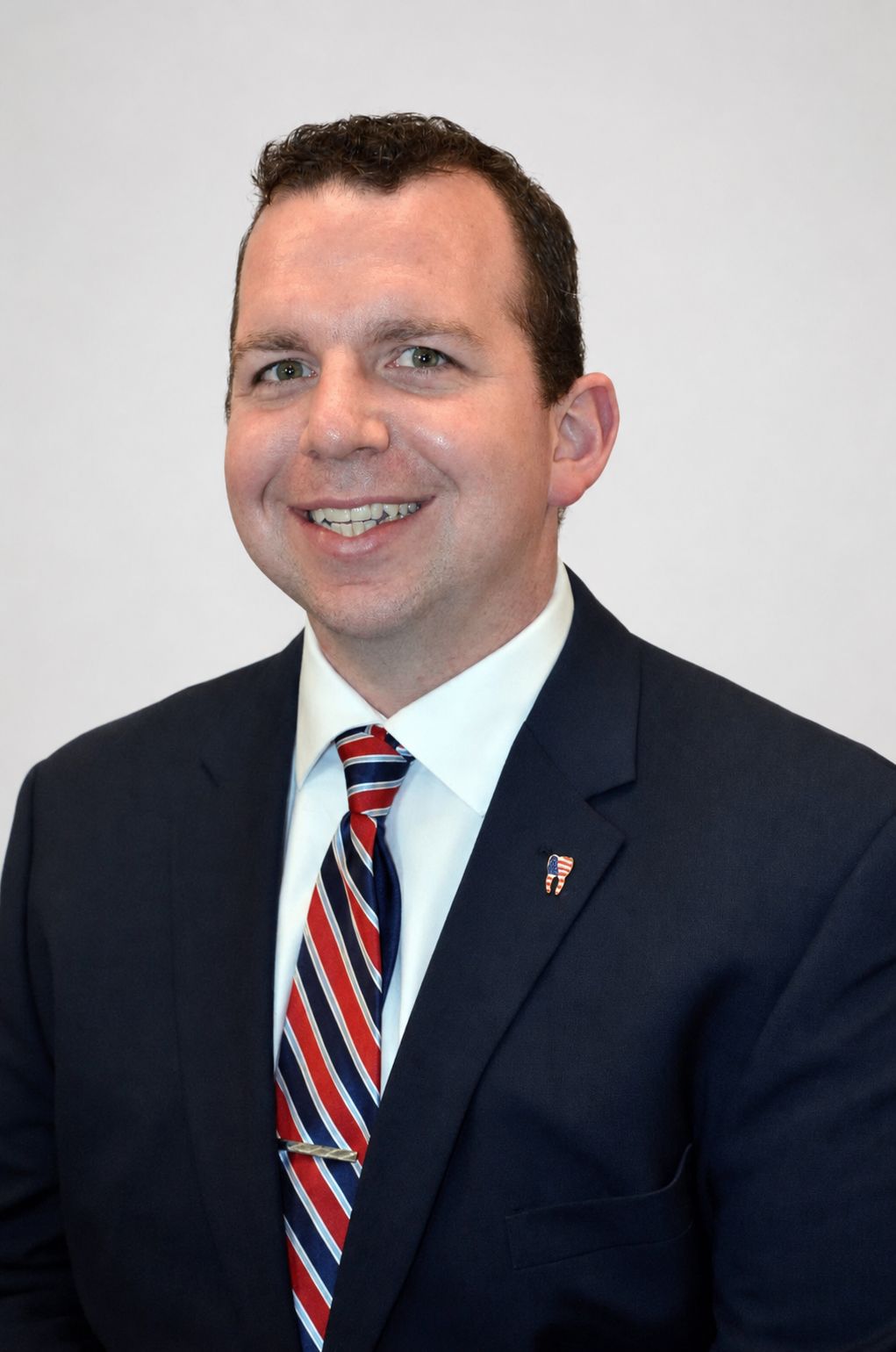
Wisdom teeth, the third molars at the very back of your mouth, typically emerge in the late teens or early twenties. Most people do not have enough room in their jaw to accommodate them, which causes the teeth to become impacted: partially or fully trapped beneath the gum line or embedded in the jawbone. When that happens, removal by an oral and maxillofacial surgeon is the standard of care.
At Legacy Oral Surgery in Union City, NJ, Drs. Nancy Herbst, David Farkas, and Hillel Kaye perform wisdom teeth removal with in-office anesthesia options ranging from local anesthetic to IV sedation and general anesthesia. No referral is required. Patients come to our 312 44th Street location from throughout Hudson County, including Union City, Weehawken, West New York, North Bergen, Secaucus, and Jersey City.
What Makes Wisdom Teeth a Problem?
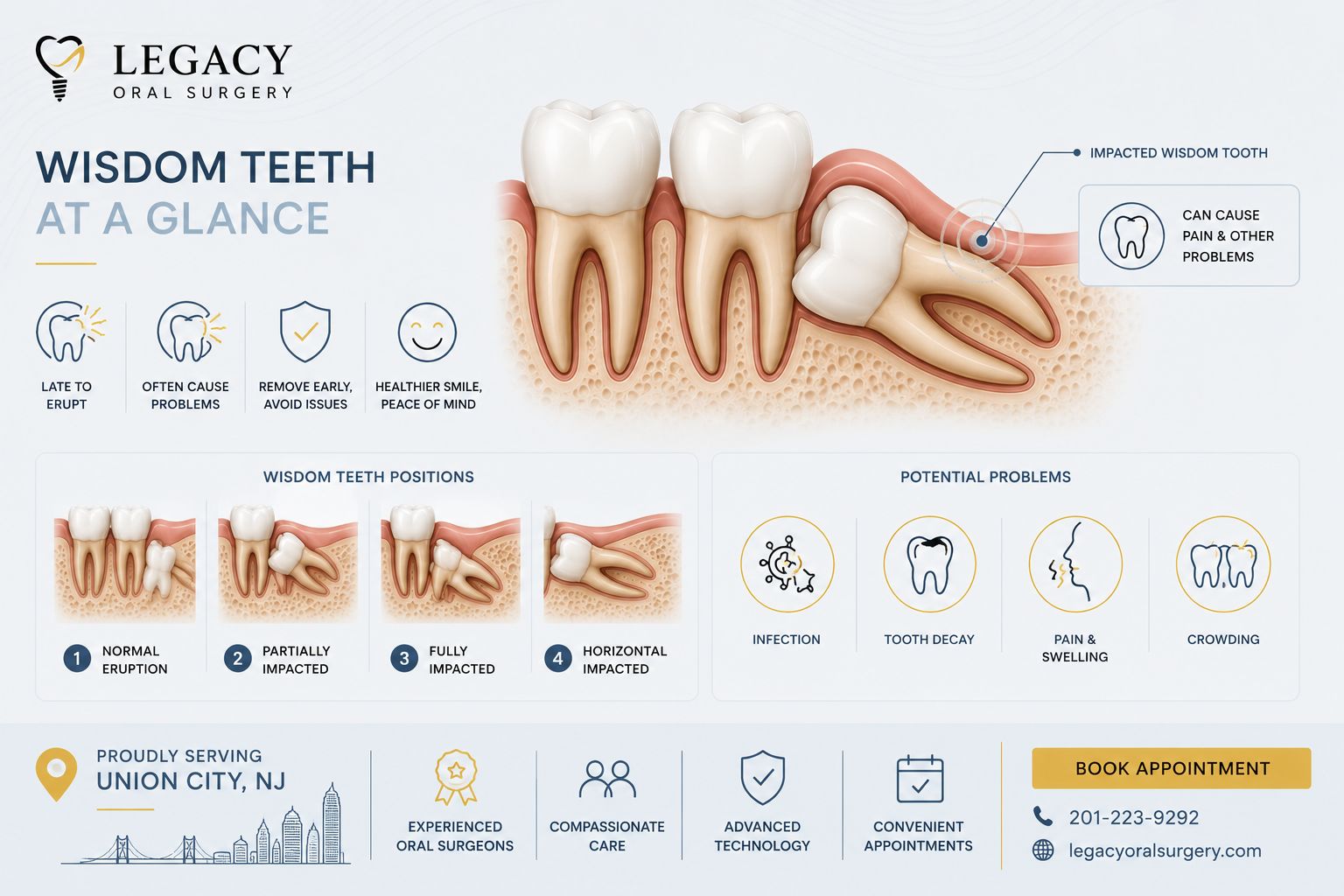
The jaw often lacks adequate space for a third set of molars. When wisdom teeth cannot erupt fully and in the correct position, they create a range of oral health problems. The most common impaction type is mesial, the tooth angles forward toward the front of the mouth, pressing against the second molar. Horizontal, vertical, and distal impactions also occur.
Impacted wisdom teeth are difficult or impossible to clean properly, making them prone to infection, gum disease, and decay. Left untreated, they can damage the roots of adjacent teeth, generate cysts in the jawbone, and cause chronic pain. Removal eliminates the source of these problems before they compound.
Common reasons patients at our Union City office need wisdom teeth removed include:
When Is the Right Time to Remove Wisdom Teeth?
Oral and maxillofacial surgeons generally recommend removing wisdom teeth in the mid-to-late teen years, before the roots have fully formed and the surrounding bone has reached full density. Earlier removal means smaller, easier-to-extract teeth, faster recovery, and lower risk of complications. Young patients typically heal within a few days to a week.
That said, wisdom teeth can, and often should, be removed in adulthood when symptoms arise or imaging shows developing problems. Age alone is not a disqualifier. Drs. Herbst, Farkas, and Kaye regularly perform extractions on patients in their 20s, 30s, and beyond. A panoramic or cone beam CT scan at your consultation appointment gives a clear picture of root development, impaction angle, and proximity to the inferior alveolar nerve, all factors that inform the surgical plan and timing recommendation.
The Wisdom Teeth Removal Process at Our Union City Office
Wisdom teeth removal at Legacy Oral Surgery follows a two-visit process: a consultation and then the procedure. At your consultation, our surgeons review your dental and medical history, take diagnostic imaging, assess the position and depth of each wisdom tooth, and discuss your anesthesia options. You will receive a written treatment plan with cost estimates before any surgery is scheduled.
Sedation and Anesthesia Options
One of the key reasons patients choose an oral and maxillofacial surgeon, rather than a general dentist, for wisdom teeth removal is in-office anesthesia capability. Drs. Herbst, Farkas, and Kaye are credentialed to administer the full spectrum of anesthesia options at our Union City office. No hospital visit is required.
Patients receiving IV sedation or general anesthesia must arrange for a responsible adult to drive them home and remain with them for the first 24 hours. Our team will review all pre-operative instructions with you before your procedure date.
Recovery After Wisdom Teeth Removal in Union City
Most patients return to normal activity within three to five days after a straightforward extraction. Recovery from impacted wisdom teeth, particularly bone-level impactions, typically takes five to seven days. Swelling peaks around 48 to 72 hours and then subsides.
Our surgeons provide written post-operative instructions covering pain management, diet, oral hygiene, and activity restrictions. Key recovery guidelines include:
- Avoid straws for at least one week, suction can dislodge the blood clot and cause dry socket, a painful complication
- Eat soft foods (yogurt, mashed potatoes, soup) for the first few days; avoid hard, crunchy, or chewy foods
- Keep the extraction sites clean by rinsing gently with warm salt water after 24 hours
- Avoid smoking or tobacco use during recovery, as it significantly increases dry socket risk
- Expect some swelling and bruising, this is normal and resolves within about a week for most patients
If you experience worsening pain after day three, fever, pus, or difficulty opening your mouth, contact our Union City office promptly. These can be signs of dry socket or infection that are easily treated when caught early.
Benefits of Wisdom Teeth Removal
Proactive removal, before problems develop, is less costly and involves a faster recovery than waiting until symptoms are severe. There are several meaningful clinical benefits:
Fewer Orthodontic Problems
When wisdom teeth emerge, they put pressure on surrounding molars that can shift alignment over time and undermine prior orthodontic work. Removing them reduces the likelihood of crowding and bite problems.
Preventing Damage to Adjacent Teeth
The pressure from emerging wisdom teeth weakens enamel and compromises roots on second molars, making those teeth more vulnerable to decay and bone loss. Cleaning around wisdom teeth is difficult enough that decay often recurs regardless of how diligently patients brush.
Reducing Infection Risk and Oral Disease
Inflammation around partially erupted wisdom teeth can be chronic and difficult to treat. Left untreated, infection spreads beneath the gums, affecting surrounding nerves and in some cases neighboring teeth. Early removal prevents this cascade.
Relieving Orofacial Pain
Pressure from emerging wisdom teeth contributes to jaw pain, headaches, ear pain, and sinus discomfort. Many patients report significant relief after extraction, often resolving symptoms they had attributed to other causes.
Preventing Cysts and Jaw Disorders
Bacteria accumulating around impacted teeth can generate cysts or tumors in the jawbone, causing bone loss and contributing to temporomandibular joint (TMJ) dysfunction. Addressing impaction early avoids these more complex downstream treatments.
Cost of Wisdom Teeth Removal in Union City, NJ
The cost of wisdom teeth removal depends on the number of teeth being extracted, the type and depth of impaction, the anesthesia chosen, and your insurance coverage. At your consultation appointment, our team will take diagnostic imaging, review your insurance benefits, and provide a clear out-of-pocket estimate before anything is scheduled. We accept most major dental and medical insurance plans and offer financing options.
Cost varies based on the type of extraction needed (simple, soft-tissue impaction, or bony impaction) and whether sedation is used. Cost varies by case, we’ll provide a personalized estimate after your evaluation, and we accept most major dental insurance plans plus offer flexible financing options.
Your actual cost depends on the complexity of your case and your insurance coverage. Dental insurance frequently covers a portion of impacted extractions. For questions about what to expect, call our Union City office at (201) 601-9262.
Why Choose an Oral Surgeon for Wisdom Teeth Removal?
General dentists perform simple extractions, but impacted wisdom teeth, particularly partial or full bony impactions, require the surgical training, imaging technology, and anesthesia capabilities of an oral and maxillofacial surgeon. Oral surgeons complete four or more years of hospital-based surgical residency after dental school, rotating alongside general surgery and anesthesiology residents. This training is what allows them to perform procedures in-office that would otherwise require a hospital setting.
Legacy Oral Surgery’s board-certified surgeons have treated patients throughout Hudson County for over 40 years. Our Union City office uses cone beam CT (CBCT) 3D imaging on-site for precise pre-surgical planning, so complex extractions near the inferior alveolar nerve are approached with detailed anatomical information rather than a standard 2D X-ray alone.
Schedule Your Wisdom Teeth Removal Consultation in Union City, NJ
If you are experiencing symptoms from impacted wisdom teeth, or if your dentist has recommended removal, Legacy Oral Surgery provides advanced surgical care at our 312 44th Street location in Union City. Drs. Nancy Herbst, David Farkas, and Hillel Kaye bring over 40 years of combined oral and maxillofacial surgery experience to every procedure, from routine erupted extractions to complex bone-level impactions requiring general anesthesia. Our bilingual Spanish-speaking team supports patients throughout Union City and the surrounding Hudson County communities.
No referral is required to schedule. To request a consultation, fill out our contact form or call our Union City office and our team will confirm your appointment time.
Frequently Asked Questions About Wisdom Teeth Removal in Union City