Tooth loss creates two problems at once. The cosmetic one is obvious, but the bigger issue is what starts happening underneath: the jaw bone in that area begins to shrink within months of the tooth coming out, neighboring teeth start drifting into the gap, and the bite changes in ways that are hard to reverse. Dental implants address both. By replacing the root of the tooth with a titanium post that integrates with the jaw bone, an implant restores function, preserves the bone, and looks indistinguishable from the natural tooth it replaces. Our Elizabeth oral surgery office places single-tooth implants, multi-tooth restorations, and full-arch systems for patients across Union County.
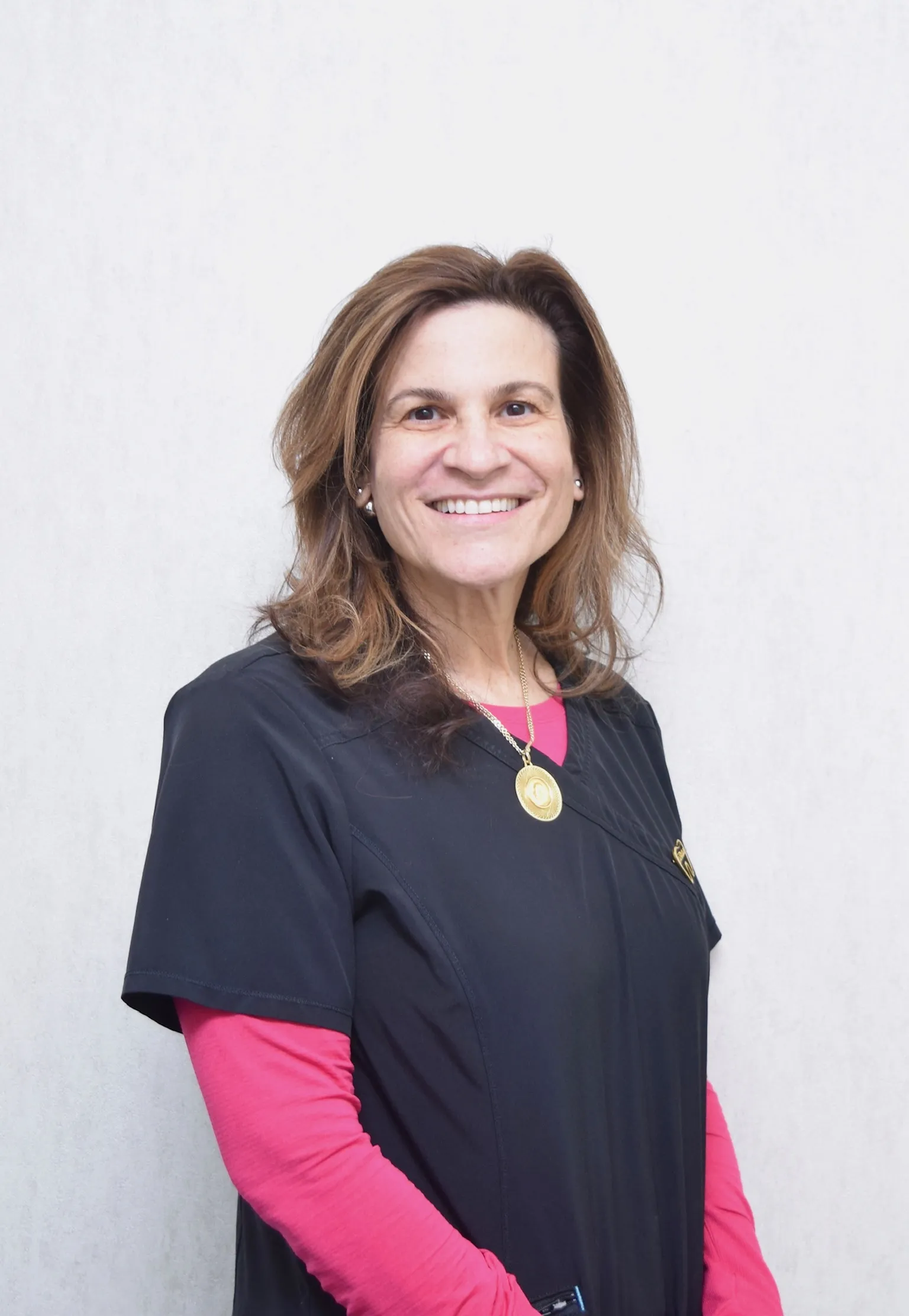
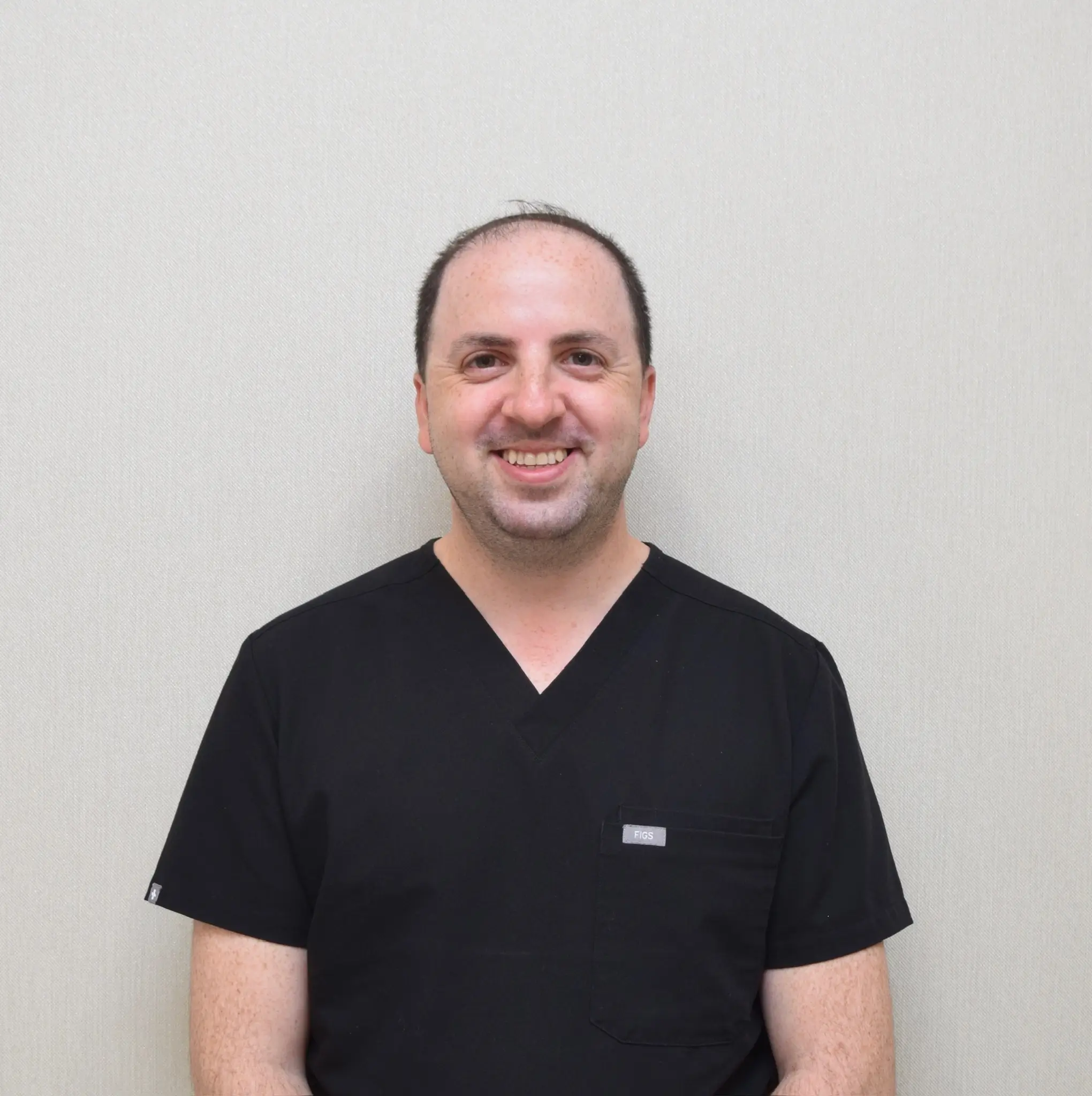
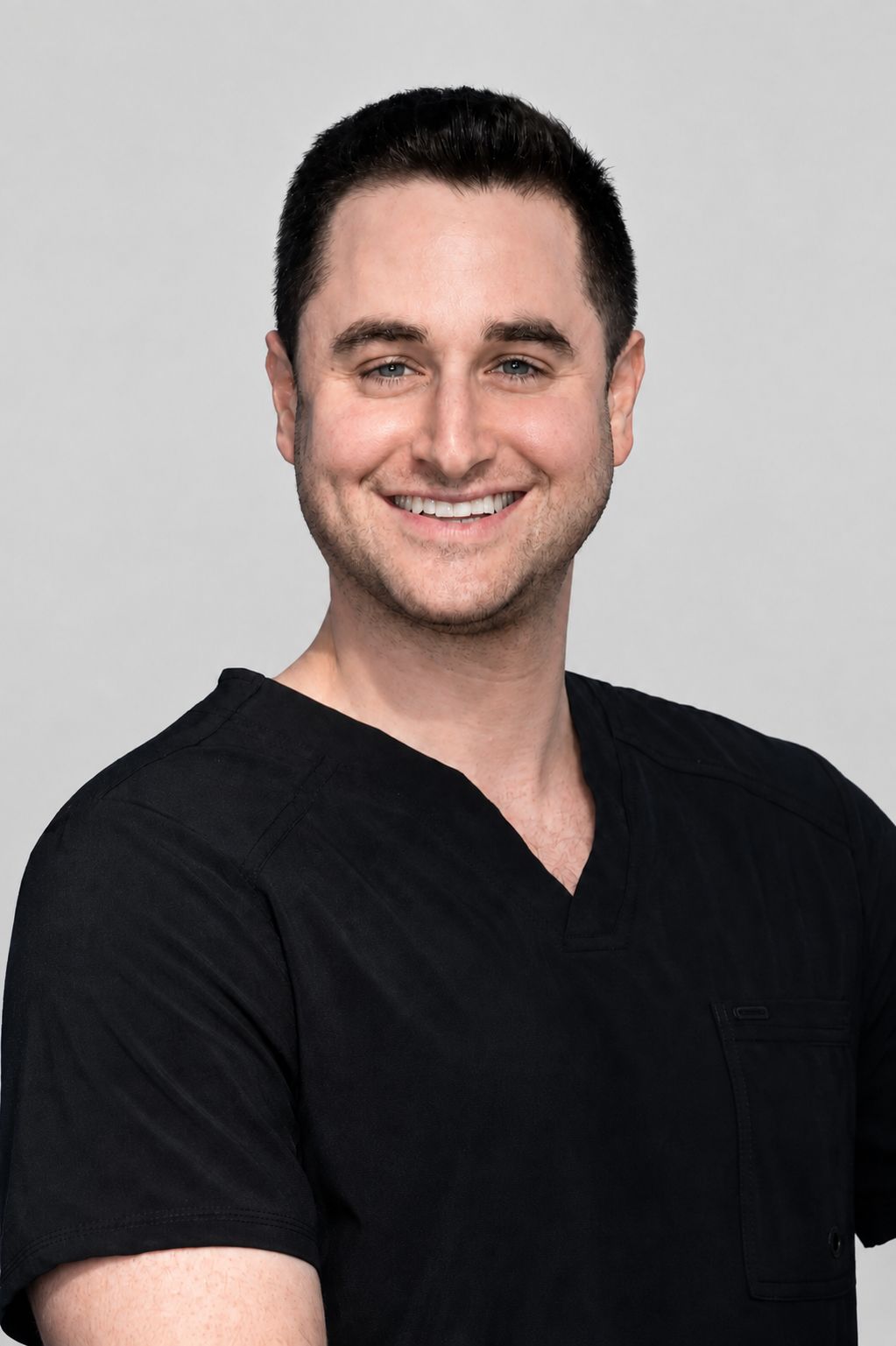
Our team of board-certified oral and maxillofacial surgeons, Dr. Nancy Herbst, Dr. David Farkas, and Dr. Hillel Kaye, has more than 40 years of combined experience with implant placement, bone grafting, sinus elevation, and the prosthetic planning that ties everything together. Every consultation begins with a clinical exam and 3D imaging so we can give you an honest assessment of what your case will involve before any treatment is scheduled.
How Dental Implants Work
A dental implant is a small titanium post that takes the place of the root of a missing tooth. Once the post is placed in the jaw bone, a process called osseointegration occurs over the following weeks: bone cells grow into the surface of the implant and lock it in place. That biological bond is what gives implants their stability and longevity. A large retrospective study published through the National Institutes of Health tracked 158,824 implants placed over an eight-year period and reported an overall survival rate above 97 percent, with most failures occurring early in the osseointegration phase rather than years later.
Once the implant has integrated, a small connector called an abutment is attached to the top of the post, and a custom crown, bridge, or denture is placed on the abutment. The visible tooth is removable for service when needed, but the implant itself stays in the bone permanently. The result functions like a natural tooth. You brush and floss it normally, chew anything you want, and the surrounding bone stays healthy because the implant continues to load it the way a real root would.
When to Consider a Dental Implant
The clearest case for an implant is a recent extraction. Without a replacement, the bone in that area begins resorbing within the first few months, and once that volume is lost, recovering it requires a more involved grafting procedure later on. Placing an implant promptly preserves the bone and the gum tissue around it, which is what makes the final restoration look natural.
Patients with a single missing tooth benefit from an implant because it avoids the need to shave down healthy neighboring teeth, which is what a traditional bridge requires. A single-tooth implant in Elizabeth stays out of the way of adjacent teeth and is cleaned like a natural tooth. Patients missing several teeth in a row can use two implants to support a multi-tooth bridge across a span without anchoring to adjacent natural teeth.
Implants also solve problems that other replacements cannot. Loose or uncomfortable dentures are stabilized with implant-retained denture systems that snap onto two or more posts, eliminating slippage and the need for adhesive. Patients missing all teeth in an arch can be restored with an All-on-4 system, which replaces an entire upper or lower arch with a fixed bridge supported by four strategically angled implants. Even patients whose jaw has been compromised for years can often qualify for implants after targeted grafting or sinus elevation. Our doctors will recommend the smallest, simplest restoration that meets your goals.
Are You a Candidate for Dental Implant Surgery?
The ideal candidate has healthy gum tissue and enough bone to support the implant. Most adults qualify on first evaluation, but the picture changes when bone has been lost. If a tooth has been missing for several years, sinus drop has occurred in the upper jaw, or gum disease has advanced past a certain point, you may need bone grafting or a sinus lift before implant placement. These preparatory procedures are routine, but they add time to the overall timeline.
Other factors that affect candidacy include uncontrolled diabetes, prior radiation therapy to the head or neck, heavy smoking, and bisphosphonate medications used to treat osteoporosis. None of these automatically disqualifies a patient, but our doctors will need to coordinate with your physician on a case-by-case basis. Young patients whose jaw bone has not finished developing usually wait until the late teens or early twenties before implants are placed.
The Implant Process at Our Elizabeth Office
A complete dental implant typically requires three to four appointments spread over four to nine months. Most of that timeline is healing, not chair time. The phases of treatment include:
Patients who want a deeper level of sedation than local anesthesia can choose IV sedation or general anesthesia, both administered on-site by our team. We discuss sedation options for Elizabeth patients at your consultation. Our post-surgical care resources cover what to expect during recovery. Patients with questions before their appointment can reach our Elizabeth office at 908-585-4990.
Dental Implants in Elizabeth, NJ at Legacy Oral Surgery
Dental implants are one of the most predictable, long-lasting solutions in modern oral surgery, and the quality of the result has more to do with the planning than the procedure itself. Dr. Nancy Herbst, Dr. David Farkas, and Dr. Hillel Kaye bring more than 40 years of combined experience to that planning, and our Elizabeth office on North Broad Street is equipped with the 3D imaging, in-office sedation, and surgical technology we use across all three of our locations. Whether you are replacing a single tooth, restoring a full arch, or rebuilding bone before treatment can begin, our team will walk you through what is realistic, what it will cost, and how long it will take before any work is scheduled.
If you are ready to start the conversation or have been referred for an implant evaluation, we are here to help. Request a consultation through our online contact form to get started at our Elizabeth office.