We Accept Most Major Insurance Plans & Offer Flexible Financing Options
Elizabeth

Wisdom Teeth Removal in Elizabeth, NJ

Wisdom teeth are the four permanent adult teeth located at the back corners of the mouth on the top and bottom. When wisdom teeth don’t have room to grow properly, they can result in pain, infection, and other oral health problems. To prevent these complications, an oral surgeon in Elizabeth, NJ may recommend wisdom tooth extraction even if the impacted teeth aren’t actively causing problems yet.

At Legacy Oral Surgery, our team works closely with patients throughout every step of the wisdom teeth removal process. From the initial consultation through recovery, we make sure you have the information and support needed to feel confident in your care. When it comes to your oral health, having a trusted surgical team in your corner makes all the difference.

Why Do We Have Wisdom Teeth?

Researchers believe that wisdom teeth were once necessary because early human diets consisted of hard nuts, crunchy leaves, and uncooked meat. Today, we eat more cooked food and use utensils to cut food into smaller pieces. As a result, wisdom teeth are now considered a vestigial structure — one that no longer serves a useful purpose and, in many cases, causes more harm than good.

Why Are Wisdom Teeth Removed?

Wisdom teeth typically appear between the ages of 17 and 25 and are the last permanent teeth to come in. Some people never develop wisdom teeth at all. For others, they erupt normally without issue. But for many patients, there simply isn’t enough room in the jaw for wisdom teeth to grow in properly.

Wisdom teeth without enough room to grow may:

Impacted wisdom teeth may lead to:

Impacted wisdom teeth have the potential to cause significant oral health problems. In most cases, extraction is the most effective way to prevent long-term damage to the surrounding teeth and jawbone.

  • Grow at an angle toward the next tooth (second molar)
  • Grow at a right angle to the other teeth, as if lying down within the jawbone
  • Grow at an angle toward the back of the mouth
  • Grow straight up or down like other teeth but stay trapped within the jawbone
  • Infection or gum disease (periodontal disease)
  • Tooth decay in a partially erupted wisdom tooth
  • Damage to a nearby tooth or the surrounding bone
  • Development of a fluid-filled sac (cyst) around the wisdom tooth
  • Complications with orthodontic treatments to straighten other teeth

5 Things to Know Before Wisdom Teeth Removal

Going into a surgical procedure can feel nerve-wracking. Knowing what to expect ahead of time helps patients make informed decisions and feel more in control of their oral health. Before your wisdom teeth removal in Elizabeth, NJ, here are a few things to keep in mind:

Pain and Swelling Are Common

Many patients experience some degree of pain, swelling, and discomfort after the procedure. On the first day, you may not notice much discomfort because the anesthesia is still working. Pain may increase over the following days, but your oral surgeon can recommend appropriate medication to manage it.

Someone Else Needs to Drive You Home

Because anesthesia affects your coordination and reaction time, you won’t be able to drive yourself home after the procedure. Plan to have a trusted friend or family member available to take you home and stay with you for at least the first few hours of recovery.

You Shouldn’t Eat Solid Foods After the Procedure

For at least the first 24 hours after wisdom teeth removal, it’s best to avoid solid foods. Your oral surgeon will provide specific guidance on what to eat and drink during recovery. Staying hydrated and following those recommendations closely helps reduce the risk of complications.

Avoid Brushing the Extraction Sites for the First 24 Hours

Brushing too soon after surgery can disturb the extraction sites and slow the healing process. To protect the surgical area, avoid brushing near the extraction sites for the first 24 hours and follow your surgeon’s aftercare instructions carefully.

Don’t Smoke or Vape After Oral Surgery

The suction created by smoking or vaping can dislodge the blood clot that forms at the extraction site, leading to a painful condition called dry socket. Tobacco products also irritate oral tissue and slow healing. Avoid both for at least 72 hours — and ideally longer — after your procedure. According to the National Institute of Dental and Craniofacial Research, smoking is one of the leading risk factors for post-surgical oral complications.

What Is the Process of Wisdom Teeth Removal Surgery?

The wisdom teeth removal process varies depending on how the teeth have developed. If the wisdom teeth have already broken through the gum line, the extraction is similar to removing any other tooth. However, when wisdom teeth are trapped beneath the gum or embedded in the jawbone, the procedure is more involved. In these cases, the oral surgeon makes a small incision in the gum tissue, removes any bone blocking access to the tooth, and may divide the tooth into sections to make removal easier. Our team takes every measure to keep you comfortable throughout the process, including discussing sedation and anesthesia options with you beforehand.

Wisdom Teeth Removal in Elizabeth, NJ

Our team at Legacy Oral Surgery is committed to your comfort and long-term oral health. With over 35 years of combined experience and board-certified oral and maxillofacial surgeons on staff, we treat patients of all ages and take the time to walk you through every stage of care. If you’re experiencing pain or have been told your wisdom teeth need to come out, we’re here to help. Complete our contact form or call 908-585-4990 to schedule an appointment at our Elizabeth location.

Appointment Request

The first step toward achieving a beautiful, healthy smile is to schedule an appointment

Meet Your Elizabeth Oral Surgeons

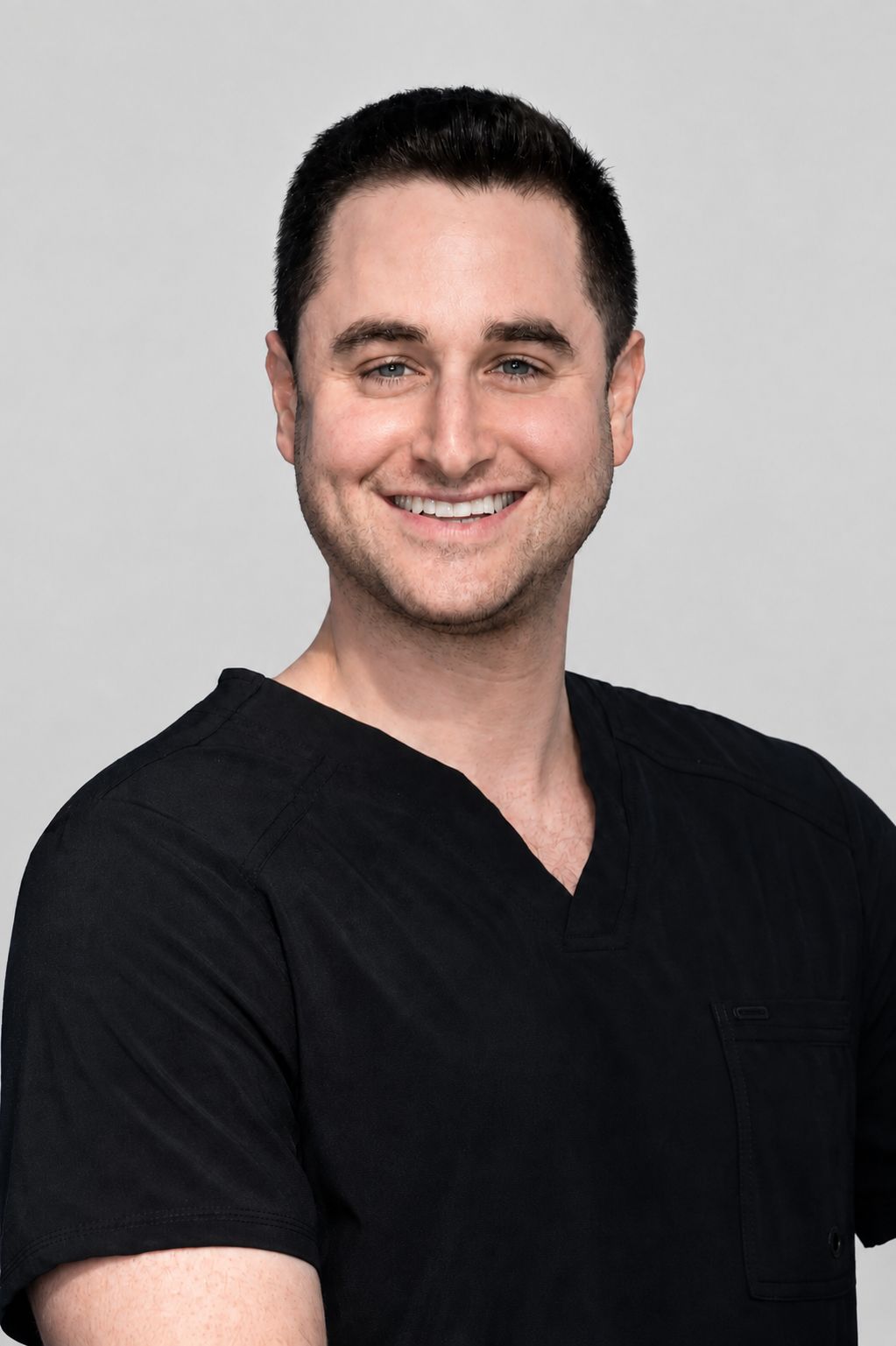
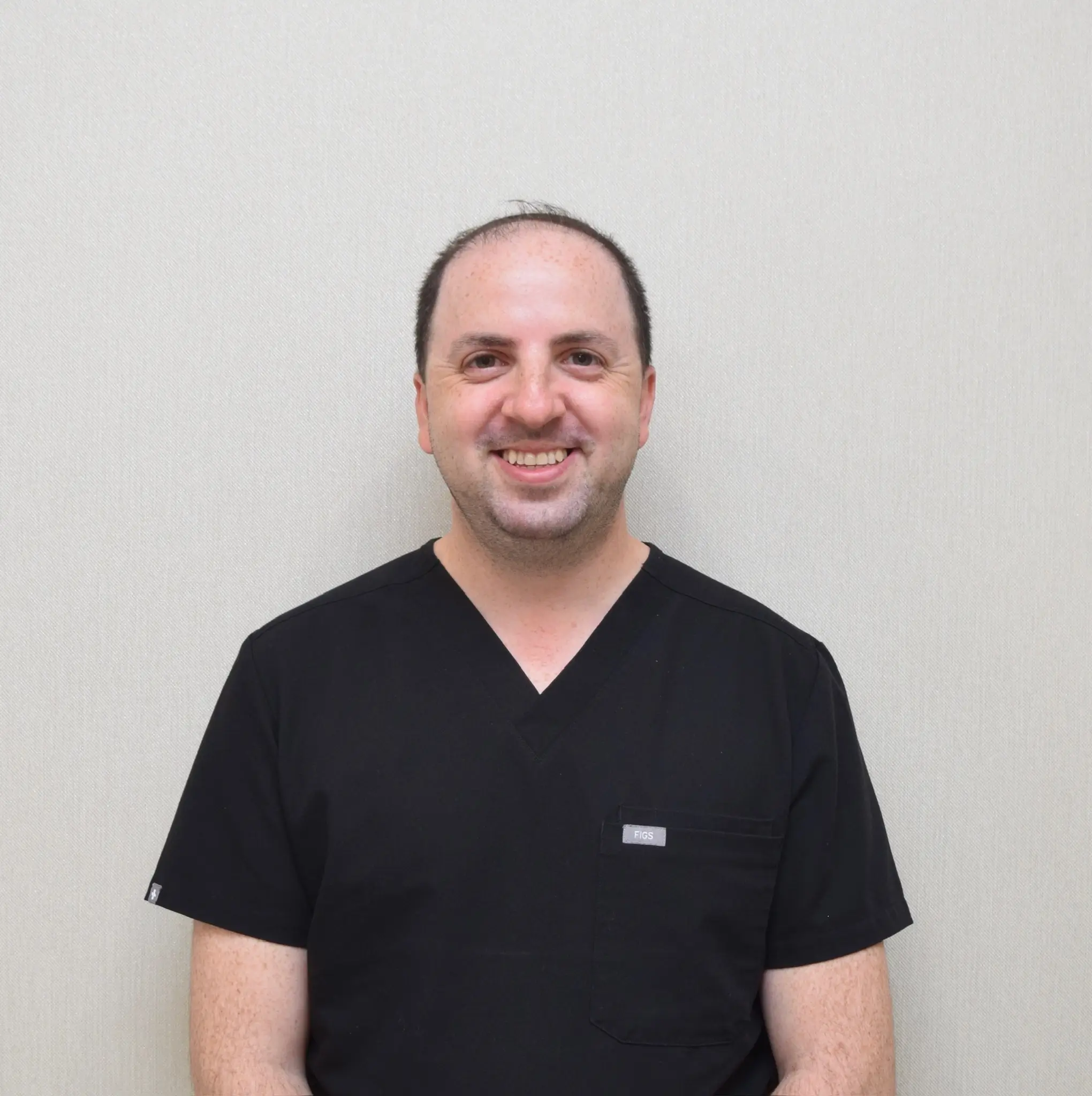
Our Elizabeth team includes three board-certified oral and maxillofacial surgeons with over 35 years of combined experience treating patients of all ages—from newborns to 103 years old.

Our Latest Google Reviews

We’re here for you before, during, and after your surgical experience—providing benefit estimates, aftercare guidance, and ongoing support every step of the way.

Insurance & Financing Options

We make quality oral surgery care affordable with flexible payment options.

Insurance

Our office staff is always available to help you with insurance claims and paperwork. We’ll work with your insurance provider to make sure your coverage meets your needs and your budget. Our team files claims on your behalf and provides benefit estimates before treatment.

Flexible Financing

We offer financing through CareCredit and other trusted partners, allowing you to break down treatment costs into manageable monthly payments that fit your budget.

Questions? Call our Elizabeth office at (908) 585-4990 to discuss your insurance coverage or financing options.

Your Next Step Starts Here

Whether you’re ready to book or just exploring your options, our Elizabeth office is here to support you.

FREQUENTLY ASKED QUESTIONS

We Are Here With
All the Answers

How do I know if I need my wisdom teeth removed?

Not every wisdom tooth requires removal, but certain signs point clearly toward extraction. Persistent pressure or aching at the back of the jaw, swelling along the gum line, difficulty fully opening your mouth, and recurrent infections around a partially erupted tooth are all reasons to get evaluated. Impacted wisdom teeth, which are unable to fully break through the gum, are among the most frequent concerns we see at our Elizabeth office. A clinical exam and panoramic X-ray give us the full picture and allow us to recommend the right course of action for your specific situation.
The procedure itself is performed under anesthesia, so discomfort during surgery is not something you need to worry about. We numb the area completely before we begin, and IV sedation and general anesthesia are also available in our office for patients who want a deeper level of relaxation. Some pressure and movement are normal sensations during extraction, but sharp pain should not be. In the days following surgery, mild to moderate soreness is expected and addressed with prescribed medication and thorough aftercare instructions we provide before you leave.
We offer four levels of sedation to match different needs and comfort levels. Local anesthesia keeps you fully awake but numb at the surgical site. Nitrous oxide eases anxiety without sedating you deeply. IV sedation is a popular choice for wisdom teeth removal because it creates a relaxed, often amnesiac experience while remaining safe and reversible. For patients with significant anxiety or complex extractions, general anesthesia is available in our office, no hospital visit required. We review every option with you at your consultation so you can make a confident decision.
Surgical time varies based on the number of teeth being removed and the degree of impaction. For most patients having all four wisdom teeth out in a single visit, the procedure runs between 45 and 90 minutes. Fully erupted teeth can sometimes be removed faster, while deeply angled or bony-impacted teeth take more time. Most of our patients choose to address all four at once since it consolidates anesthesia and recovery into a single period, and our team is well-practiced in managing multi-tooth extractions efficiently.
The first two to three days post-surgery are typically the most demanding. Swelling tends to peak around the 48-hour mark before gradually subsiding, and soreness is most noticeable during that window. We recommend a soft diet for the first several days, applying ice to the outside of your jaw in 20-minute intervals during the first 24 hours, and keeping your head elevated when lying down. You should avoid straws, smoking, and forceful rinsing, all of which can disturb the blood clot and lead to dry socket. Most patients feel well enough to return to their usual routine within three to five days.
Dry socket develops when the blood clot protecting the extraction site is dislodged or breaks down before the wound has had a chance to heal, leaving the bone exposed. The result is a sharp, radiating pain that typically appears two to four days after surgery and sometimes extends toward the ear. Your best protection is following post-operative instructions precisely: no straws, no smoking, and no aggressive rinsing during the first several days. If the pain you experience seems out of proportion or worsening rather than improving, contact our Elizabeth office at (908) 585-4990 promptly so we can evaluate and treat the site.
For the vast majority of wisdom teeth cases, a bone graft is not necessary. Because wisdom teeth sit at the very back of the arch and are not sites we would use for future implant placement, preserving bone volume there is rarely a clinical concern. On occasion, if significant bone loss is identified at the time of extraction, we may discuss a socket preservation graft as a precaution. Our team will be upfront with you about whether that applies to your case before your procedure begins.
Several factors influence the total cost, including how many teeth are being removed, the severity of impaction, the type of anesthesia, and what your insurance plan covers. Many plans offer at least partial coverage for wisdom teeth extraction, especially when it is medically indicated. Our office staff handles insurance verification directly and works with your provider to make sure your benefits are applied correctly. Reach out to our Elizabeth office at (908) 585-4990 or through our contact form to get a consultation scheduled and receive a clearer estimate based on your case.

VISIT US TODAY

logo

Contact Form

"*" indicates required fields