A dental emergency is one of the few situations where the next hour matters more than the next day. A knocked-out tooth has the best chance of surviving when it is replanted within thirty minutes. A facial fracture, an abscess that has tracked into the soft tissues of the neck, or uncontrolled bleeding after an extraction all need to be seen the same day, not next week. Our Elizabeth oral surgery office keeps appointment slots open every day for urgent cases and accepts walk-ins, referrals from emergency departments, and direct calls from patients.
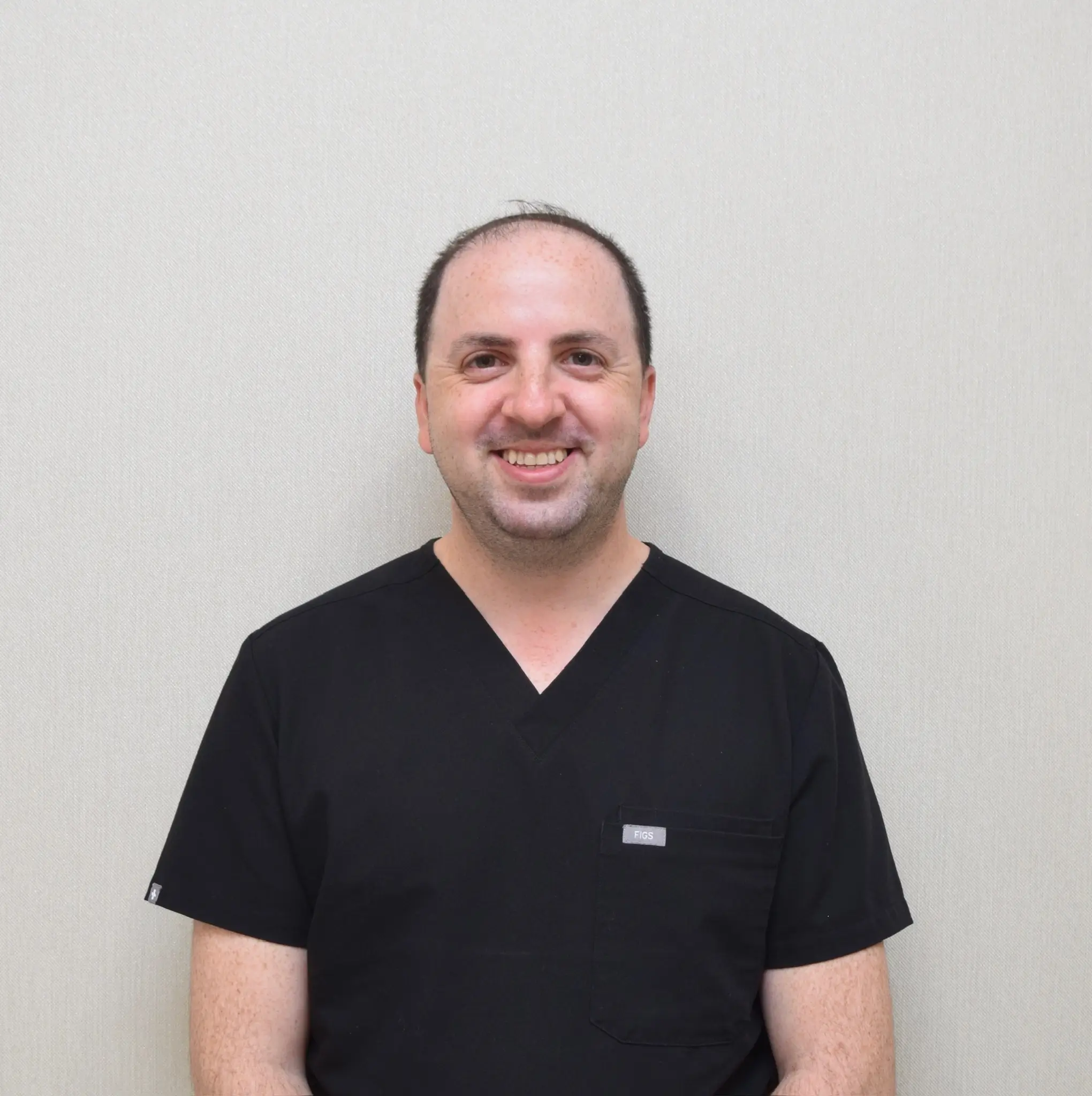
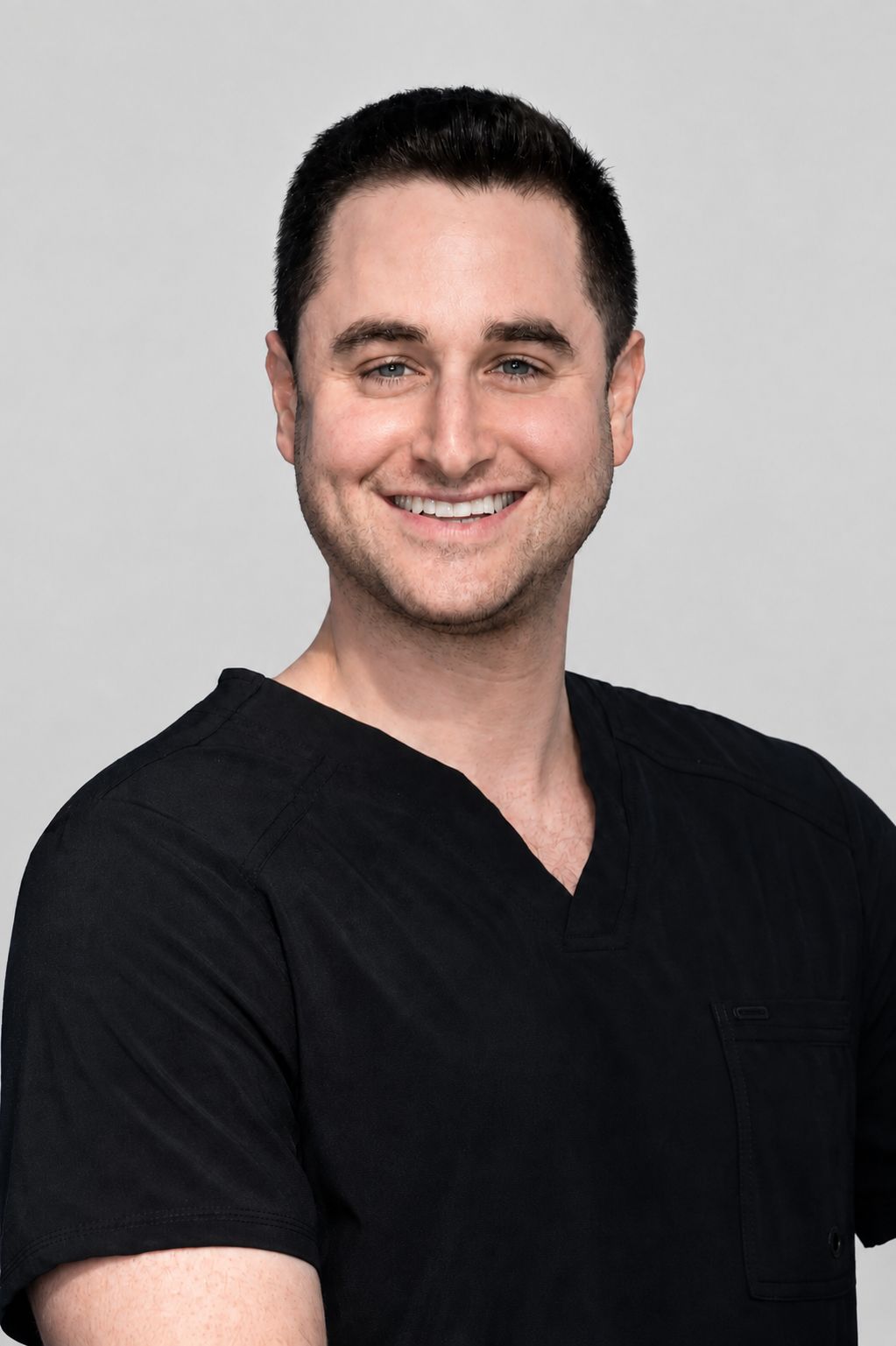
Our team of board-certified oral and maxillofacial surgeons, Dr. Nancy Herbst, Dr. David Farkas, and Dr. Hillel Kaye, has more than 40 years of combined experience managing the full range of dental emergencies, from straightforward broken teeth to complex facial trauma with airway considerations. Every emergency case starts with a quick triage to determine what needs to happen immediately versus what can be staged. The goal is to control pain, prevent the situation from getting worse, and set up the definitive treatment in the right sequence.
Common Dental Emergencies We Treat
Not every painful tooth is an emergency, but some situations cannot wait. Severe facial swelling, especially when it crosses the midline or involves the floor of the mouth, can compromise the airway and needs to be seen the same day. Trauma that has knocked out, fractured, or displaced a tooth has a treatment window measured in hours. Uncontrolled bleeding after a dental procedure, signs of jaw fracture, and dental infections accompanied by fever or difficulty swallowing are all reasons to call our office or go to the nearest emergency department.
Other common reasons patients reach out for urgent care include a tooth that has cracked below the gum line and is causing sharp pain on biting, a partially erupted wisdom tooth with a localized infection (pericoronitis), a denture or implant restoration that has failed unexpectedly, and post-operative complications such as a suspected dry socket. Our doctors handle traumatic dental injuries across the full spectrum, including avulsion, luxation, alveolar bone fracture, and soft tissue lacerations.
What to Do First in a Dental Emergency
Before you call, a few steps can meaningfully change the outcome:
If symptoms include difficulty breathing, difficulty swallowing your own saliva, or rapidly spreading facial swelling, go directly to an emergency department.
Emergency Treatment at Our Elizabeth Office
Once you arrive, our doctors will take a focused history, examine the area, and capture imaging when it is needed for diagnosis. Most emergency visits resolve into one of a few treatment paths. A salvageable tooth is stabilized, replanted, or splinted on the spot. A tooth that cannot be saved is removed as a tooth extraction in Elizabeth, often with a socket preservation graft at the same appointment if the area will eventually receive a dental implant. Infections are drained, cultured when warranted, and treated with the appropriate antibiotic regimen.
For more extensive damage, treatment may extend over several visits. Patients with multiple lost or unrestorable teeth may be candidates for full mouth reconstruction staged across several appointments. For anxious patients or complex cases, we offer in-office IV sedation and general anesthesia, both administered by our trained surgical team, so a hospital visit is not required. The treatment plan that leaves our office at the end of the appointment is the same one we follow through, with clear instructions on what to do at home and a defined follow-up schedule.
Emergency Oral Surgeon in Elizabeth, NJ at Legacy Oral Surgery
When a dental emergency happens, the difference between a good outcome and a complicated one is usually how quickly the right care is delivered. Dr. Nancy Herbst, Dr. David Farkas, and Dr. Hillel Kaye bring more than 40 years of combined oral and maxillofacial surgery experience to every emergency we treat, and our Elizabeth office on North Broad Street is set up to handle same-day cases without rerouting you to a hospital. Whether you are dealing with a knocked-out tooth, an abscess that has gotten worse overnight, a referral from your dentist, or post-surgical bleeding that is not slowing down, our team is ready to help.
If you are facing a dental emergency right now or have been referred for urgent evaluation, do not wait. Request a same-day appointment through our online contact form to get started at our Elizabeth office.
Frequently Asked Questions About Emergency Oral Surgery in Elizabeth
If a tooth has been knocked out, you should be seen within an hour, ideally sooner. For fractured teeth, severe pain, abscess, or post-surgical bleeding that has not stopped after twenty minutes of pressure, the same day is the right target. If swelling is rapidly spreading, you are running a fever, or you are having trouble breathing or swallowing, the closest emergency department is the right first stop, not our office.
Trauma to a tooth or the jaw, uncontrolled bleeding, signs of infection that have moved beyond the immediate area (fever, swelling that crosses the midline, lymph node tenderness), and post-operative complications all count as emergencies. A dull toothache that has been bothering you for a few weeks, a chip in a tooth that is not painful, or a lost crown without underlying pain can usually wait for a regular appointment. When you call, we will help you decide.
Often yes, if you act quickly. The best chance comes when the tooth is replanted within thirty minutes. If reinsertion is not possible, keeping the tooth moist in cold milk, saline, or the saliva inside the patient’s own cheek protects the periodontal ligament cells on the root surface, which are what allow the tooth to reattach. Do not scrub the root or wrap the tooth in tissue or paper towel.
Not always. Many emergency procedures, such as replanting a tooth, splinting, or draining a small abscess, are handled with local anesthesia alone. For more involved procedures, or for patients who are highly anxious, our team offers nitrous oxide, IV sedation, and general anesthesia on-site. We discuss your options when you arrive.
Call first if you can. A short call lets us reserve the right room, prepare imaging, and tell you exactly what to bring or do on the way over. If calling is not feasible, walk-ins are welcome during business hours, and our team will triage you when you arrive.
You leave with written aftercare instructions, prescription medication when appropriate, and a follow-up appointment scheduled before you walk out. For replanted teeth, that follow-up usually happens within a week to remove or adjust the splint and again at four weeks for evaluation. For extractions and grafts, the typical follow-up window is two to four weeks. Our team will tell you what to watch for and when to call us back.
Most dental and medical insurance plans cover emergency oral surgery, though coverage levels vary. Trauma-related cases are often covered under medical insurance rather than dental, particularly when the injury involves the jaw or surrounding bone. Our team verifies your benefits at the time of your visit and walks through any out-of-pocket costs before treatment begins.