Medically Reviewed by Dr. Nancy Herbst, DDS
After wisdom tooth removal, the safest diet is cool, soft, and easy to swallow for the first few days, followed by a gradual return to semi-solid and then regular foods as the extraction sites close. What you eat matters because each socket is protected by a fragile blood clot, and food that is hard, sharp, hot, spicy, or acidic can irritate the area or disturb that clot. Good nutrition also gives your body the protein, vitamins, and fluids it needs to rebuild gum tissue.
The surgeons at Legacy Oral Surgery remove wisdom teeth for patients across Staten Island, Elizabeth, and Union City, and what to eat afterward is a natural question for anyone preparing for surgery. The recommendations below reflect general post-operative guidance. Your surgeon may adjust them based on how many teeth were removed, whether they were impacted, and how your mouth is healing, so always follow the written instructions you receive at your appointment.
Why Your Diet Matters After Wisdom Tooth Removal
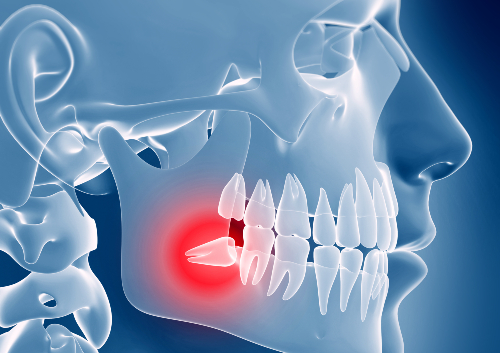
Your wisdom teeth are the last molars to come in, usually in the late teens or early twenties. Because many jaws do not have room for them, they often come in crooked, partially, or not at all. Depending on how deeply the teeth were positioned, you may leave surgery with up to four extraction sites, each one an open wound that your body has to close from the bottom up.
Food affects that healing process in three main ways. First, small particles can lodge in the sockets and irritate the tissue or contribute to infection. Second, chewing hard or sticky foods puts pressure on sore jaw muscles and on the surgical sites themselves. Third, the blood clot that forms in each socket is easy to disturb in the first few days, and losing it can lead to a painful condition called dry socket.
A thoughtful post-operative diet keeps all three risks low while still giving you enough calories and nutrients to feel like yourself. The goal is not to eat as little as possible. It is to eat well, in a texture your mouth can handle, for as long as it needs.
What to Eat in the First 24 to 48 Hours
The first day or two after wisdom teeth extraction is when your mouth is most tender and the clots are most fragile. During this window, the American Association of Oral and Maxillofacial Surgeons recommends sticking to very soft or liquid foods that need little or no chewing. Cool or room-temperature options also tend to feel soothing on swollen tissue.
Foods that work well during this stage include the following:
- Dairy and dairy alternatives: plain or smooth yogurt, pudding, cottage cheese, and kefir.
- Fruits: applesauce, mashed banana, and blended fruit without small seeds.
- Soups: lukewarm broth or smooth, blended soups with no chunks.
- Vegetables: mashed potatoes, mashed sweet potatoes, and pureed squash or carrots.
- Treats: ice cream, gelatin, or sorbet in moderation, avoiding cones and crunchy mix-ins.
- Protein: smoothies or shakes with protein powder, silken tofu, or Greek yogurt.
Eat slowly, take small bites, and try to keep food toward the side of your mouth that feels best. If you were sedated, start with clear liquids and progress to soft foods once any numbness and nausea have passed.
Moving to Soft and Semi-Solid Foods
As swelling begins to settle, usually within the first several days, most people can add heartier soft foods. These are more filling and help you get enough protein without stressing the extraction sites. Good options at this stage include scrambled eggs, oatmeal or cream of wheat, very soft pasta such as macaroni and cheese, soft-cooked fish, refried beans, hummus, and well-cooked vegetables that mash easily with a fork.
Avoid chewing directly over the surgical areas whenever you can. If you notice food collecting in a socket, do not poke at it with your tongue, a finger, or a toothpick. Gentle rinsing, as directed by your surgeon, is usually the better approach.
Many patients can begin reintroducing firmer foods after about a week, though deeply impacted teeth may take longer. Let comfort guide you. If a food causes pain or feels like it is pressing into a socket, go back to softer textures for a few more days. For a broader look at how long the different stages of healing usually take, see our article on how long recovery from a tooth extraction usually takes.
Getting Enough Nutrients While You Heal
Living on ice cream for a week may sound appealing, but it will not give your body what it needs to repair tissue. Healing gums rely on protein, vitamins such as A and C, zinc, and plenty of fluids. When chewing is uncomfortable, the easiest way to get these nutrients is to blend them.
Build a Healing Smoothie
A smoothie can combine several food groups in one easy-to-swallow meal. Blend soft fruit like banana, mango, peeled peaches, or kiwi with milk, yogurt, or a plant-based milk. Add a spoonful of smooth nut butter or protein powder for staying power, and a handful of spinach or other leafy greens for vitamins. Choose seedless fruits when possible, since tiny seeds from strawberries or raspberries can settle into a healing socket.
Drink smoothies from a cup or spoon them from a bowl. Do not use a straw. The suction can pull the protective clot out of the socket, which is the main cause of dry socket. Our article on when it is safe to use a straw after wisdom tooth removal explains the timing in more detail.
Stay Hydrated
Water supports healing and can help you feel better after anesthesia. Sip it throughout the day rather than gulping. If you are taking prescription pain medication, eating something soft before each dose may help reduce stomach upset, but follow the directions on your prescription and from your surgeon.
Foods and Drinks to Avoid While Your Mouth Heals
Some foods are worth skipping until your surgeon tells you the sites have closed enough to handle them. Hard, crunchy, and small foods such as chips, popcorn, nuts, seeds, and granola can break into sharp pieces that scrape the gums or get trapped in a socket. Sticky and chewy foods such as caramels, taffy, gummy candy, and tough bread or meat make your jaw work hard and can pull at the surgical area.
Spicy and acidic foods, including hot sauce, citrus, tomatoes, and vinegar-based dressings, can sting and irritate open tissue. Carbonated drinks are also commonly discouraged in the early days. Very hot foods and drinks are another concern, since heat can increase bleeding and swelling at the extraction site.
Coffee, Alcohol, and Tobacco
Hot coffee combines two problems: temperature and acidity. Many surgeons ask patients to hold off on hot coffee for the first few days, or to let it cool to lukewarm if they need it. You can read more in our post on whether it is safe to drink coffee after a tooth extraction.
Alcohol should be avoided during recovery. According to the AAOMS postoperative instructions for wisdom tooth extraction, smoking and drinking can interfere with healing and raise the risk of complications, and alcohol can also make pain medication less effective. Smoking and vaping add the same suction risk as a straw, so avoid them for as long as your surgeon recommends.
A Sample Day of Eating After Wisdom Tooth Surgery
Planning meals ahead makes the first week much easier, especially if you stock your kitchen before surgery. A comfortable day during the first few days of recovery might start with a cool smoothie of banana, yogurt, and a little smooth peanut butter for breakfast. A mid-morning snack could be applesauce or a cup of pudding.
For lunch, a lukewarm blended vegetable soup paired with mashed avocado is filling and gentle. An afternoon snack of cottage cheese or a protein shake keeps your energy up. Dinner might be mashed potatoes with a side of soft scrambled eggs or flaked, well-cooked fish once you feel ready for more texture.
Later in the week, as your comfort improves, you can rotate in oatmeal, soft pasta, and well-cooked vegetables. Keep portions small and frequent if your appetite is low, since several light meals are often easier to manage than three large ones.
Signs to Call Your Oral Surgeon
Some soreness, swelling, and mild bleeding are expected after wisdom tooth removal, and they usually improve steadily over the first several days. Contact our office if pain gets worse instead of better after the third day, if you notice a foul taste or odor, if you can see bone in a socket, or if you develop a fever or swelling that keeps increasing. These may be signs of dry socket or infection, and both are easier to manage when addressed early.
You should also reach out if you are unable to eat or drink enough to stay hydrated. For more day-to-day recovery advice beyond diet, including rinsing, brushing, and activity, see our list of dos and don’ts for wisdom tooth extraction aftercare.
Speak to a Dedicated Oral Surgeon Today
Our team of oral and maxillofacial surgeons at Legacy Oral Surgery has devoted their careers to surgery of the mouth, jaw, and face. We work with state-of-the-art technology and minimally invasive techniques, and we are glad to walk you through diet, pain control, and aftercare so recovery feels manageable from the first day.
If you have questions about wisdom tooth removal or want to talk through your recovery plan before surgery, we are happy to help. To schedule a consultation at our Staten Island, Elizabeth, or Union City office, please use our contact form.
Frequently Asked Questions About Eating After Wisdom Tooth Removal
How soon can I eat after wisdom teeth removal?
Most patients can have cool liquids and very soft foods once the numbness wears off and any gauze is removed, usually within a few hours of surgery. If you were sedated, start with sips of water or a clear liquid and move to soft foods like yogurt or applesauce once you feel steady and are not nauseous. Avoid chewing while your mouth is still numb, since it is easy to bite your cheek or tongue without noticing.
When can I eat solid food after wisdom tooth extraction?
Many people can start adding firmer foods after about a week, beginning with options like soft pasta, eggs, and tender fish. Patients who had impacted teeth or more involved surgery may need longer. Reintroduce foods gradually, chew away from the extraction sites, and wait until your surgeon confirms healing before eating hard, crunchy, or sticky foods such as chips, nuts, or popcorn.
Can I drink coffee after having my wisdom teeth out?
Hot coffee is usually discouraged for the first few days because heat can increase bleeding and swelling, and its acidity can irritate healing tissue. If you rely on caffeine, ask your surgeon whether lukewarm or iced coffee sipped from a cup is acceptable in your case. Never drink it through a straw, and avoid adding extra sugar, which can feed bacteria around the surgical sites.
Is ice cream good to eat after wisdom teeth removal?
Plain, smooth ice cream can feel soothing in the first day or two because it is cold and needs no chewing. Choose flavors without nuts, cookie pieces, or hard chocolate chunks, and skip the cone. Ice cream should be an occasional treat rather than a main food, since it is low in the protein and vitamins your body needs to heal. Yogurt and smoothies are more nourishing alternatives.
What foods can cause dry socket?
Dry socket happens when the blood clot in an extraction site is dislodged or breaks down. Small, hard foods such as seeds, nuts, rice, and popcorn can lodge in the socket, while crunchy and chewy foods put pressure on the area. Suction from straws, smoking, or vaping is another common cause. Sticking with soft foods and drinking from a cup in the first several days may help lower the risk.
About the Author
Oral and Maxillofacial Surgeon | Owner, Legacy Oral Surgery
Dr. Nancy Herbst has more than 25 years of experience and leads the team of oral and maxillofacial surgeons at Legacy Oral Surgery. She earned her Doctorate of Dental Surgery from New York University College of Dentistry and served as Chief Resident in the Department of Oral and Maxillofacial Surgery at Jersey City Medical Center.