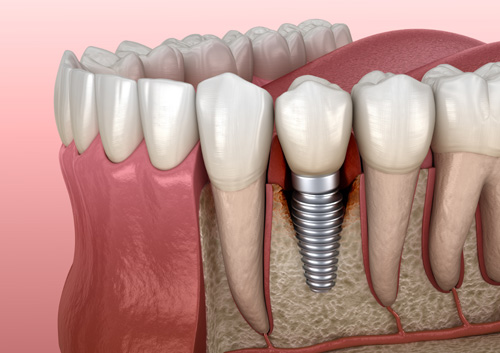
Severe bone loss in the jaw is one of the most common concerns patients raise when considering dental implants. For years, significant bone deterioration was treated as a barrier to implant candidacy. While bone density is genuinely important for implant success, advances in oral surgery mean that many patients with bone loss can still achieve long-lasting implant results — often with the help of preparatory procedures.
At Legacy Oral Surgery, our team works with patients at every stage of bone health. Whether you’ve experienced gradual deterioration from gum disease, long-term tooth loss, or another cause, we evaluate your individual anatomy and develop a treatment plan that gives you the best possible path to a restored smile.
Why Jawbone Density Matters for Dental Implants
A dental implant is essentially a titanium post that is surgically placed into the jawbone, where it fuses over time through a process called osseointegration. This fusion is what gives implants their durability and stability — but it requires enough healthy bone volume to anchor and support the implant post.
When bone loss has occurred — whether due to periodontal disease, long-term tooth absence, infection, or injury — there may not be enough healthy bone structure remaining to hold an implant in the correct position. Without that foundation, the implant is at significantly higher risk for failure, mobility, or improper alignment. This doesn’t mean implants are off the table. It means the bone needs to be addressed first.
How Bone Loss Happens
The jawbone naturally resorbs — or shrinks — when it no longer has a tooth root stimulating it. This process can begin within months of losing a tooth and accelerates over time. Contributing factors include:
- Periodontal (gum) disease — Bacterial infection destroys the bone and tissue supporting the teeth, often leading to significant bone loss before it’s even noticed.
- Long-term tooth absence — Every year a missing tooth goes unreplaced, surrounding bone volume decreases. Patients who have worn dentures for many years often have advanced resorption.
- Trauma or infection — Facial injuries and untreated dental infections can destroy bone tissue directly.
- Systemic health conditions — Osteoporosis and other conditions that affect bone density can compound the effects of tooth loss on the jaw.
Options for Getting Implants with Bone Loss
Bone Grafting
Bone grafting is the most common preparatory procedure for patients with insufficient bone volume. The process involves placing bone graft material — which may come from your own body, a donor source, or a synthetic material — into the area of bone loss. Over several months, your body integrates the graft and builds new bone, creating a stable foundation for the implant.
Bone grafting is highly effective and is routinely performed at Legacy Oral Surgery as part of a comprehensive implant treatment plan. The timeline from grafting to implant placement typically ranges from three to six months, depending on the extent of bone regeneration needed.
Ready to Schedule Your Consultation?
Our board-certified oral surgeons are here to help you find the right treatment. Schedule your appointment today.
Sinus Lift
For patients missing upper back teeth, the maxillary sinus cavity can encroach on the available bone space, leaving insufficient height for an implant. A sinus lift gently elevates the sinus membrane and places bone graft material beneath it, increasing vertical bone height in the posterior upper jaw. Once the area has healed, implants can be placed with confidence.
Zygomatic Implants
In cases of severe upper jaw bone loss where standard bone grafting may not provide enough volume, zygomatic implants offer an alternative. Rather than anchoring in the jawbone, these longer implants are secured in the zygomatic (cheek) bone, which retains its density even when significant jaw bone deterioration has occurred. This approach is available for upper arch restorations when conventional options are not viable.
All-on-4 Implants
The All-on-4 procedure is specifically designed to work with reduced bone volume. By tilting the posterior implants at strategic angles, oral surgeons can often achieve secure placement in areas with more residual bone, minimizing or eliminating the need for grafting — even in patients with moderate bone loss throughout the arch.
The Consultation Process: Your First Step
Because every patient’s bone anatomy is unique, there is no universal answer to whether you are a candidate for implants with bone loss. A comprehensive evaluation at Legacy Oral Surgery includes advanced digital imaging — typically a cone beam CT scan — an assessment of your overall health, and a detailed review of your treatment goals. From there, our surgeons will outline the most appropriate pathway, whether that involves grafting, an alternative implant approach, or direct placement if bone loss is minimal.
Contact Legacy Oral Surgery to Discuss Your Options
Don’t let concerns about bone loss keep you from exploring dental implants. Our team at Legacy Oral Surgery has extensive experience treating patients with complex bone conditions and helping them achieve functional, long-lasting results. Call us at 201-601-9262 or complete our online contact form to schedule a consultation today.