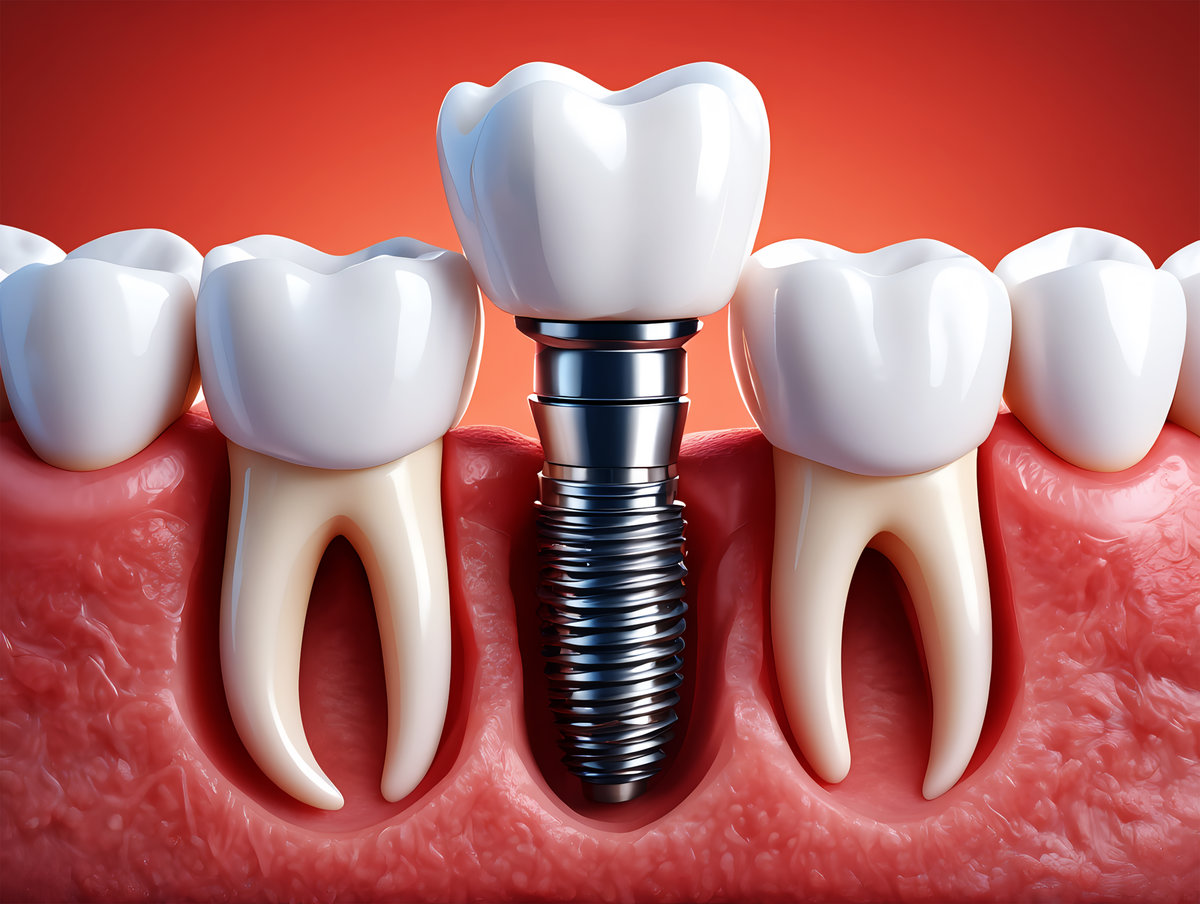
Noticing a change in gum color around your dental implant can be alarming, but understanding what causes these changes helps you respond appropriately and protect your investment in your smile. Changes in gum tissue color near implants can range from subtle pink variations to darker shades or even greyish tones, and each indicates a distinct condition that requires professional attention.
At Legacy Oral Surgery Group, we serve patients in Union City, Elizabeth, and Staten Island with comprehensive dental implant care that includes monitoring tissue health throughout the healing process and beyond. Dr. Nancy Herbst, Dr. David Farkas, and Dr. Hillel Kaye bring more than 35 years of combined professional experience to the evaluation and treatment of implant complications, helping patients maintain healthy, natural-looking gum tissue around their restorations.
Normal Color Changes That Occur During Healing
The first few weeks after implant placement often involve temporary changes in gum color as your body heals. Fresh surgical sites typically appear redder than surrounding tissue due to increased blood flow to the area, which is a routine part of the healing response. This redness gradually fades as inflammation decreases and the tissue integrates with the implant.
Some patients notice slight bruising that creates purple or yellowish discoloration near the surgical site. These changes usually resolve within two to three weeks without intervention. The gum tissue should progressively return to a healthy pink color that matches the surrounding tissue as healing continues.
Signs of Infection and Inflammation
Persistent changes in gum color often indicate peri-implant mucositis or peri-implantitis, conditions caused by bacterial infection around the implant. The gum tissue may appear bright red, swollen, and tender to the touch. According to research published in the Journal of Clinical Periodontology, peri-implantitis affects approximately 22% of patients with dental implants, making it a relatively common complication that requires prompt treatment.
Dark red or purplish gums that bleed easily when you brush or floss suggest active inflammation. The tissue may also recede, exposing more of the implant or abutment. Without treatment, these infections can damage the bone supporting your implant and ultimately lead to implant failure.
Metal Show-Through and Aesthetic Concerns
Grey or bluish discoloration may appear when implant materials are visible through thin gum tissue. Patients with naturally thin gingival tissue are more susceptible to this aesthetic issue, particularly when titanium implants are placed in the front of the mouth. The metal casts a shadow that is visible through the translucent tissue.
Causes of grey gum discoloration include:
- Thin tissue: Insufficient gum thickness allows metal components to show through
- Gum recession: Gum tissue pulling away from the implant exposes darker materials
- Abutment material: Certain metal abutments are more visible than tooth-colored alternatives
This condition rarely affects implant function but can impact the appearance of your smile. Modern solutions include gum grafting to thicken the tissue or switching to zirconia abutments that blend better with natural tissue color.
Ceramic or Composite Staining
Patients with ceramic or composite restorations occasionally notice yellowish or brownish discoloration on the gum tissue touching the crown. This staining results from prolonged contact with certain materials or from inadequate cleaning around the restoration. The discoloration usually appears at the gum line rather than throughout the entire gingival tissue.
Professional cleaning can often remove surface staining, though deeper discoloration may require other interventions. Improving your home care routine and attending regular professional cleanings help prevent this type of color change from developing.
When You Should Contact Your Oral Surgeon
Schedule an evaluation if you notice persistent color changes that persist for more than three weeks after implant placement. Immediate attention is necessary if the discoloration is accompanied by pain, swelling, bad breath, or discharge. These symptoms suggest an infection that could compromise your implant’s long-term success.
Regular follow-up appointments allow your oral surgeon to monitor tissue health and address issues before they become serious. Most gum color changes respond well to treatment when caught early, preserving both the function and appearance of your dental implant.
Expert Implant Care at Legacy Oral Surgery Group
Legacy Oral Surgery Group provides specialized care for patients experiencing complications with their dental implants across our Union City, Elizabeth, and Staten Island locations. Our team treats more than 7,000 patients annually with state-of-the-art equipment and established techniques that support optimal healing and long-term implant success. Dr. Herbst’s extensive training and experience ensure a comprehensive evaluation of gum tissue changes and personalized treatment recommendations.
Whether you’re noticing unusual discoloration around your implant or simply want to ensure your restoration remains healthy for years to come, our surgeons offer the expertise and personalized attention you deserve. We provide thorough examinations, accurate diagnoses, and effective treatment options tailored to your specific needs. Contact our office to schedule your consultation and receive the expert care your smile deserves.