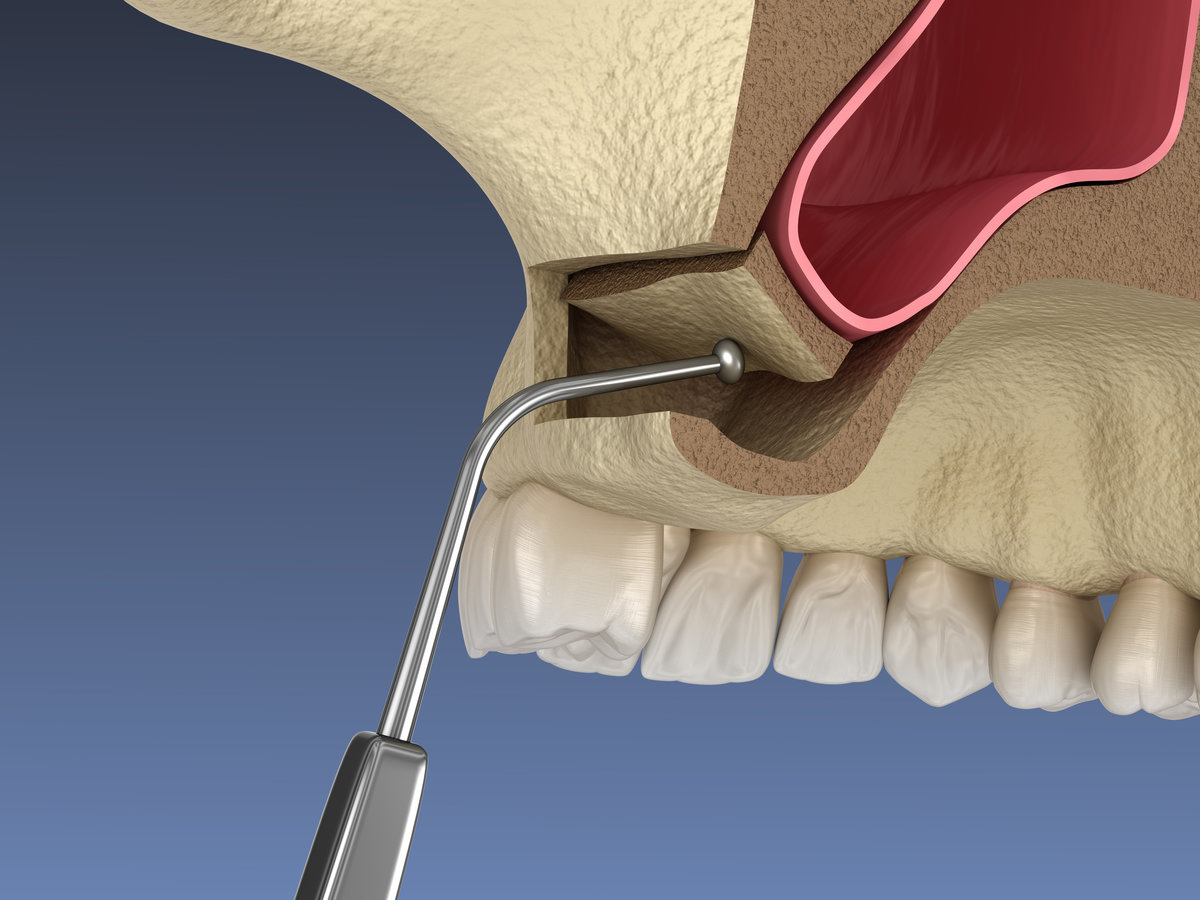
You expect some post-surgical discomfort after sinus surgery, but loose teeth can feel unsettling. The sensation of loose teeth after a sinus procedure typically stems from the close anatomical relationship between your maxillary sinus and the roots of your upper back teeth. During surgery, inflammation and pressure changes in the sinus cavity can affect the surrounding bone and periodontal tissues, creating temporary movement or sensitivity that makes your teeth feel unstable.
We see many patients who experience this concern following sinus procedures. With over 35 years of combined experience performing complex oral and maxillofacial surgeries, our team provides comprehensive care to address both expected and unexpected post-surgical symptoms. Whether you had a straightforward sinus augmentation or a more complex procedure involving bone grafting, understanding what happens in your mouth after surgery can ease your worry and help you know when to seek additional guidance.
The Anatomical Connection Between Sinuses and Teeth
Your maxillary sinuses sit directly above the roots of your upper molars and premolars, separated only by a thin layer of bone. In some cases, tooth roots actually protrude into the sinus cavity, creating an even closer relationship. This proximity means any inflammation, swelling, or pressure changes in the sinus can directly impact the surrounding dental structures.
When you undergo sinus surgery, the procedure may temporarily disturb the bone and soft tissue around your tooth roots. Swelling in the sinus lining can press against the supporting structures of your teeth. The inflammation triggers your body’s healing response, which includes increased blood flow and fluid accumulation in the area. This combination creates pressure that may make your teeth feel loose or tender, even though they remain firmly anchored in your jaw.
The sensation usually feels most pronounced in your upper back teeth on the side where the surgery occurred. You might notice discomfort when chewing or applying pressure to those teeth. Some patients describe a feeling of teeth “floating” or shifting slightly when they bite down. These sensations typically peak within the first week after surgery and gradually diminish as healing progresses.
Inflammatory Response and Temporary Bone Changes
Your body’s inflammatory response to sinus surgery affects more than just the surgical site. The healing process involves temporary changes to the bone and periodontal ligament that holds your teeth in place. Blood vessels in the area dilate, tissues swell, and your body sends specialized cells to repair any damage. This normal healing cascade can create the sensation of tooth mobility.
The periodontal ligament, a thin layer of tissue between your tooth root and the surrounding bone, becomes more fluid during active inflammation. Think of it like a cushion that temporarily softens, allowing for slight movement that you wouldn’t normally feel. As inflammation resolves, the ligament returns to its normal consistency and your teeth regain their usual stability.
In cases where the sinus floor was lifted or bone was grafted, you might experience additional temporary changes. The surgical manipulation of bone near your tooth roots creates an environment where bone cells actively remodel and regenerate. This process takes several months to complete, during which you may continue to feel unusual sensations in your teeth.
Some patients notice increased sensitivity to temperature or pressure during this healing phase. This occurs because inflammation can affect the nerves that supply sensation to your teeth. The good news is that these changes are typically reversible as your body completes the healing process.
When Tooth Looseness Indicates a Problem
While some degree of altered sensation is normal, certain signs warrant immediate attention. If your teeth feel progressively looser rather than stabilizing over time, this could indicate a complication. Worsening mobility suggests possible infection, inadequate bone support, or damage to the periodontal ligament that requires intervention.
Pay attention to accompanying symptoms that might signal trouble:
- Persistent or increasing pain that doesn’t respond to prescribed medications
- Discharge of pus or foul-tasting fluid from your gums or nose
- Fever or systemic signs of infection
- Visible gaps developing between your teeth
- Difficulty closing your mouth normally or changes in your bite
A communication between your mouth and sinus cavity represents another potential complication. This can occur if the thin bone separating these spaces was perforated during surgery or if an infection erodes the barrier. You might notice air or fluid passing between your mouth and nose when you drink or blow your nose.
If you develop any of these warning signs, schedule an evaluation right away. Early detection of complications allows for prompt treatment, which often prevents more serious problems. Our team uses advanced imaging and diagnostic techniques to assess the health of your sinuses, bone, and surrounding dental structures.
Supporting Your Recovery
You can take several steps to promote healing and reduce the sensation of tooth looseness. Follow your prescribed medication regimen carefully, including any antibiotics and anti-inflammatory drugs. These medications help control infection and reduce swelling, which directly impacts how your teeth feel.
Maintain gentle oral hygiene while avoiding the surgical site during the initial healing phase. Brush your teeth softly with a soft-bristled toothbrush, and rinse with warm salt water or prescribed mouthwash as directed. Avoid vigorous rinsing, spitting, or using straws, as these actions can create pressure changes that interfere with healing.
Modify your diet to include soft foods that require minimal chewing. This reduces stress on your teeth while they feel sensitive or loose. Choose nutritious options like smoothies, soups, mashed vegetables, scrambled eggs, and yogurt. Gradually reintroduce firmer foods as your comfort level improves and your surgeon gives you clearance.
Rest and adequate hydration support your body’s natural healing processes. Elevate your head while sleeping to minimize swelling. Avoid strenuous activities, bending over, or heavy lifting during the initial recovery period, as these actions can increase pressure in your sinuses and affect healing.
Trust Legacy Oral Surgery for Your Post-Surgical Care
Dr. Nancy Herbst brings more than 25 years of oral and maxillofacial surgery experience to your care. We treat over 7,000 patients annually using state-of-the-art equipment and innovative surgical techniques. Our commitment extends beyond the procedure itself. We remain available before, during, and after your surgery to address concerns and ensure optimal outcomes.The sensation of loose teeth after sinus surgery usually resolves as inflammation subsides and your tissues heal. Most patients notice significant improvement within two to three weeks, with complete resolution by six to eight weeks. If you have concerns about your recovery or experience symptoms that worry you, don’t hesitate to contact us. We’re here to provide the exceptional care you deserve during every phase of your healing journey.