Medically Reviewed by Dr. Nancy Herbst, DDS
There is no single cause of maxillofacial injury that holds true everywhere. Across the international research, road traffic crashes are reported more often than any other cause, followed by assaults and falls. A 2022 systematic review and meta-analysis of 78 studies published between 2010 and 2020 found that road traffic accidents made up a little over half of the injuries studied, assaults about one in six, and falls about one in ten. That order changes depending on where people live, how old they are, and how well seat belts, airbags, and helmets protect them.
At Legacy Oral Surgery, our oral and maxillofacial surgeons evaluate and treat injuries to the jaw, face, mouth, and teeth at our offices in Staten Island, Elizabeth, and Union City. Below, we walk through the most common causes of facial trauma, the injuries they tend to produce, the warning signs that call for prompt care, and how treatment usually works. If you have been hurt recently, our emergency oral surgery team in Staten Island can see patients without a referral.
Why the Leading Cause Depends on Where and Who You Are
Most published figures on facial trauma come from single hospitals or regions, and each one reflects local roads, laws, and habits. The 2022 review mentioned above, published in the Journal of Forensic Odonto-Stomatology, grouped its studies by world region and found clear differences. Road traffic accidents were most closely tied to studies from Asian countries. Assaults were more common in studies from Africa, mostly among men. Falls became more common with age, among women, and in European studies.
The broad pattern makes sense. Where seat belt use, airbags, helmet laws, and safer road design are well established, vehicle crashes tend to make up a smaller share of facial injuries, and falls and interpersonal violence make up a larger one. In an aging population, ground-level falls account for more facial fractures each year. In dense urban areas, assaults often rank high among young adult men.
So when someone asks what the major cause of maxillofacial injury is, the honest answer is that vehicle crashes lead the worldwide literature as a whole, while falls and assaults lead in many local settings. For you as a patient, the cause matters less than the injury it leaves behind, because that is what determines treatment.
Common Causes of Maxillofacial Injuries
Each cause of facial trauma tends to produce its own injury pattern. Knowing how an injury happened helps a surgeon decide which bones and soft tissues to examine most closely.
Motor Vehicle and Motorcycle Crashes
A crash delivers a large amount of force in a fraction of a second. An unbelted driver or passenger may strike the steering wheel, dashboard, or windshield, and side-impact collisions can injure the cheekbone, eye socket, and side of the jaw. Airbags reduce the risk of serious injury overall, but they can still cause abrasions and, less often, fractures when a person sits too close to the wheel.
Motorcycle, bicycle, and electric scooter riders face a higher risk because nothing stands between the face and the road. Full-face helmets protect the jaw and midface far better than open-face designs. Crash injuries are often the most complex facial injuries a surgeon sees, since several bones may break at once along with injuries elsewhere in the body.
Assaults and Physical Altercations
Punches, kicks, and blows from objects usually land on the most exposed parts of the face. The nose, the bony rim around the eye, the cheekbone, and the lower jaw take the brunt. A single punch to the side of the jaw can break the mandible in two places, one where the blow landed and another on the opposite side near the joint. These injuries can look minor from the outside while the bite has shifted underneath, which is why a professional exam is worth getting even when the swelling seems mild.
Falls
Falls are a frequent cause of facial injury in young children and older adults. Toddlers who are learning to walk often fall forward onto the chin or mouth, which can injure the front teeth and the jaw joints. Older adults may fall because of balance problems, vision changes, medications, or a simple trip on a rug or curb.
For older adults, a fall that seems minor deserves attention. Bones may be thinner, and people who take blood thinners can bleed or bruise more than expected. A ground-level fall onto the face commonly injures the nose, cheekbone, and eye socket, and it can also loosen or break teeth or dentures.
Sports and Recreation
Contact sports and fast-moving recreational activities put the face at risk from balls, sticks, elbows, and collisions with other players or the ground. Basketball, baseball, football, hockey, soccer, boxing, and martial arts all carry some risk. Common sports-related facial injuries include:
- Nasal fractures from a direct blow to the front of the face
- Cheekbone fractures from an elbow, ball, or collision to the side of the face
- Dental injuries such as chipped, loosened, or knocked-out teeth
- Lower jaw fractures, especially in combat sports and high-speed collisions
A properly fitted mouthguard, along with face shields and helmets where the sport calls for them, can lower the risk of many of these injuries. Custom mouthguards tend to fit and stay in place better than generic ones.
Workplace and Other Causes
Construction, warehouse, and industrial work can expose the face to falling objects, machinery, and falls from height. Less common causes include animal bites, accidental blows at home, and injuries during seizures or fainting spells. Whatever the cause, the same principle applies: the sooner an injury is properly assessed, the more treatment options usually remain.
Types of Maxillofacial Injuries
Maxillofacial injuries fall into three broad groups: fractures of the facial bones, injuries to the skin and soft tissues, and injuries to the teeth and the bone that holds them. Many patients have more than one type at the same time.
Facial Fractures
The facial skeleton is made up of 14 bones, and any of them can break. The nose is fractured more often than any other facial bone because it sits furthest forward. Some nasal fractures heal without treatment, while others need the bones repositioned, a step called reduction.
Orbital fractures involve the bones around the eye socket. They can cause double vision, trouble moving the eye, a sunken eye, or numbness of the cheek and upper lip. Mandibular fractures are breaks in the lower jaw. They often change how the teeth fit together and can make chewing, talking, or opening the mouth painful.
Zygomaticomaxillary complex fractures affect the cheekbone and upper jaw together. They often follow a direct blow to the side of the face and may cause a flattened cheek, numbness, or difficulty opening the mouth. Higher-energy injuries, usually from crashes, can break the upper jaw across the midface and loosen the entire upper tooth-bearing segment.
Soft Tissue Injuries
Cuts, bruises, scrapes, and puncture wounds commonly come with facial fractures. Wounds inside the mouth, on the lips, and on the tongue bleed heavily because the area has a rich blood supply. Careful cleaning and layered repair help lower the risk of infection and visible scarring, and they protect nerves and salivary ducts that run through the cheek. Our guide to soft tissue and dental structure damage covers these injuries in more detail.
Dental and Alveolar Trauma
Teeth and the ridge of bone that supports them, called the alveolar bone, are often injured in facial trauma. Teeth may be chipped, cracked, pushed out of position, loosened, or knocked out completely. A knocked-out permanent tooth has the best chance of being saved when it is put back in place quickly, so it is worth acting fast. Learn more about treatment for traumatic dental injuries, including splinting loose teeth and options when a tooth cannot be saved.
Warning Signs That Need Prompt Care
Swelling and bruising can hide how serious a facial injury is. You should be evaluated soon if you notice any of the following after a blow to the face: your teeth no longer meet the way they used to, you cannot open or close your mouth fully, part of your lip, chin, or cheek feels numb, you have double vision or the eye looks sunken, one cheek looks flatter than the other, or teeth feel loose or are missing.
Some symptoms call for a hospital emergency room or 911 first. These include trouble breathing, bleeding that will not stop with pressure, loss of consciousness, confusion, severe headache, vision loss, or a suspected neck injury. Once life-threatening problems are ruled out, an oral and maxillofacial surgeon can manage the facial bones, jaw, and teeth. Our article on why you should see an oral surgeon after facial trauma explains how this follow-up care fits in after an ER visit.
Treatment Options for Maxillofacial Injuries
Modern approaches to maxillofacial trauma focus on restoring both function and appearance. Treatment depends on which bones are involved, how far they have moved, and the condition of the surrounding teeth and soft tissue.
Diagnosis and Imaging
Care starts with a careful exam of the face, bite, jaw movement, nerve function, and teeth. Three-dimensional imaging lets the surgeon see fracture lines and bone displacement that a standard X-ray may miss, which helps with planning and lowers the chance of surprises during surgery.
Conservative and Closed Treatment
Fractures with little or no displacement may heal with a soft diet, pain control, and close follow-up. Some jaw fractures can be treated with closed reduction, in which the surgeon guides the bones back into position and stabilizes the bite for a period of weeks without opening the fracture site.
Surgical Repair
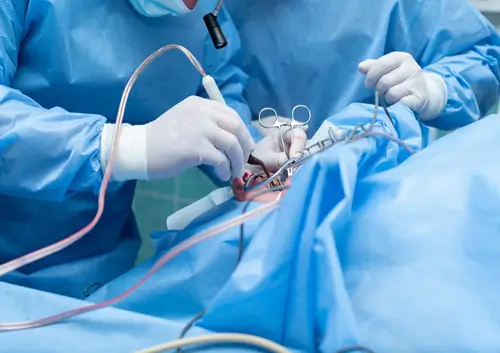
More complex or displaced fractures often need surgery. A common method is open reduction and internal fixation (ORIF), where small titanium plates and screws hold the bones in their correct position while allowing for proper healing. When bone has been lost or badly damaged, bone grafting may be needed to rebuild the area, and damaged teeth may later be replaced with implants or other restorations.
Recovery varies with the injury. Many patients follow a soft or liquid diet for several weeks, keep the mouth very clean, and return for follow-up visits so the surgeon can check healing and the bite. Swelling usually peaks in the first few days and then gradually improves.
How to Lower Your Risk of Facial Injury
Not every injury can be prevented, but a few habits make a real difference. Wear a seat belt on every trip and keep children in the right car seat for their age and size. Wear a helmet on motorcycles, bicycles, and scooters, and choose a full-face design when you can. Use a mouthguard for contact sports and any activity with flying balls or sticks.
At home, especially for older family members, good lighting, secured rugs, grab bars, and handrails on stairs can reduce falls. Regular vision checks and a review of medications that cause dizziness also help. These steps protect far more than the face, but they also prevent many of the injuries oral surgeons treat most often.
Contact Legacy Oral Surgery for Maxillofacial Care
Our oral and maxillofacial surgeons bring decades of combined experience to injuries of the jaw, face, and teeth. We offer in-office imaging and sedation options, and we work with your dentist and other physicians when an injury needs a team approach. As a family-owned practice with offices in Staten Island, Elizabeth, and Union City, we focus on clear communication and comfortable care from the first visit through recovery.
If you or a family member has experienced facial trauma or needs follow-up care after an emergency room visit, we are here to help. Fill out our contact form to schedule a consultation.
Frequently Asked Questions About Maxillofacial Injuries
What is the most common cause of facial fractures?
Across international research, road traffic crashes are reported most often, followed by assaults and falls. The order varies by region and age group. In places with strong seat belt and helmet use, falls and assaults often account for a larger share, and falls become more common as people get older.
Should I go to the emergency room or an oral surgeon after a facial injury?
Go to the emergency room or call 911 first if you have trouble breathing, heavy bleeding, loss of consciousness, confusion, vision loss, or a possible neck injury. If those are not present, or once the ER has stabilized you, an oral and maxillofacial surgeon can evaluate and treat injuries to the jaw, facial bones, and teeth.
How can I tell if my jaw is broken?
Common signs include a bite that suddenly feels wrong, pain when chewing or talking, trouble opening or closing the mouth, swelling or bruising along the jaw, numbness in the lower lip or chin, and loose teeth. Only an exam with imaging can confirm a fracture, so it is best to be seen promptly if you notice these symptoms.
Which facial bone is broken most often?
The nose is fractured more often than any other facial bone because it sits furthest forward on the face. The lower jaw is also one of the most common fracture sites, particularly after assaults and vehicle crashes, and jaw fractures are among the injuries oral and maxillofacial surgeons treat most often.
How long does a broken jaw take to heal?
Healing time depends on the location and severity of the fracture, the treatment used, and your overall health. Many jaw fractures need several weeks of initial bone healing, often around four to six weeks, with a soft diet during that time. Full recovery of strength and comfort may take longer, and follow-up visits help confirm the bone is healing as expected.
About the Author
Oral and Maxillofacial Surgeon | Owner, Legacy Oral Surgery
Dr. Nancy Herbst has more than 25 years of experience and leads the team of oral and maxillofacial surgeons at Legacy Oral Surgery. She earned her Doctorate of Dental Surgery from New York University College of Dentistry and served as Chief Resident in the Department of Oral and Maxillofacial Surgery at Jersey City Medical Center.