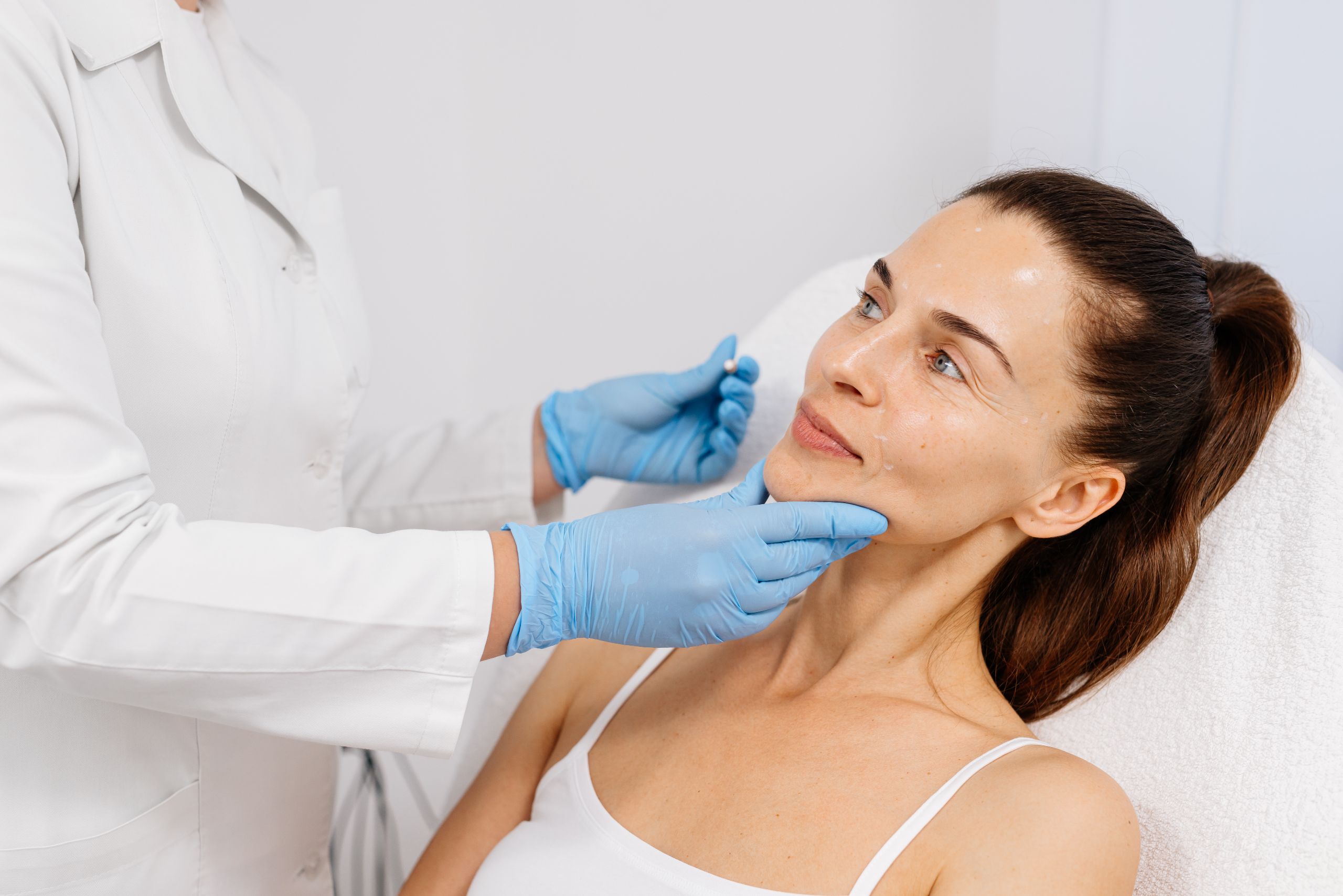
Most people picture smoothing forehead lines when they hear the word Botox, yet the same injection can quietly relieve jaw pain, headaches, and the grinding that keeps patients up at night. The difference lies entirely in where the toxin goes and what job it is asked to do once it gets there.
At Legacy Oral Surgery Group, we see both sides of Botox every week, treating patients who want a refreshed appearance through our aesthetics services alongside patients whose jaw pain and clenching call for a very different approach. Understanding how these two uses diverge can help you decide which conversation you need to have with your provider.
How Cosmetic Botox Works
Cosmetic Botox targets the small, superficial muscles of the face that create expression lines over time. When we inject Botox into areas like the forehead, the space between the brows, or around the eyes, the toxin temporarily blocks the nerve signals that tell those muscles to contract.
This relaxation smooths the skin above the muscle, softening lines without paralyzing the surrounding structures. The dosing is light, the injection points are shallow, and the goal is purely aesthetic. Results generally last three to four months before the muscle activity gradually returns and a touch-up is needed to maintain the look.
How TMJ Botox Works Differently
TMJ Botox, by contrast, targets the deep, powerful muscles of the jaw, primarily the masseter and temporalis, that clench and grind during the day or overnight. These muscles are far larger and stronger than facial muscles, so the units of Botox used and the depth of injection are both significantly greater than in a cosmetic treatment.
Rather than smoothing a line, the goal here is to reduce the intensity of muscle contraction that drives temporomandibular joint disorder, commonly known as TMD, and bruxism. A growing body of research supports this approach. A 2024 overview of systematic reviews published through the National Institutes of Health found that botulinum toxin injections reduced pain, bruxism frequency, and maximum bite force across a majority of the studies reviewed, reinforcing what many oral and maxillofacial surgeons have observed clinically for years.
Patients often notice a difference within one to two weeks as the overactive muscle begins to relax, with relief typically lasting three to six months depending on the severity of clenching.
Signs You Might Benefit From TMJ Botox
Jaw pain does not always announce itself clearly, and many patients live with symptoms for months before connecting them to bruxism or TMD. Recognizing the pattern early can prevent unnecessary tooth wear and more invasive treatment down the road.
- Morning headaches: Frequent tension headaches upon waking often trace back to nighttime clenching rather than a separate headache disorder.
- Jaw fatigue or soreness: A tired, aching jaw by midday can signal muscles that are overworking from constant tension.
- Clicking or locking: Popping sounds or a jaw that briefly catches when opening wide point toward joint and muscle imbalance.
- Worn or cracked teeth: A dentist noticing flattened molars or new chips may be seeing the downstream effect of grinding.
If any of these sound familiar, it is worth exploring Botox for TMJ and bruxism rather than assuming the discomfort is simply something to live with.
Why the Distinction Matters for Treatment
Confusing these two applications can lead to underdosing a jaw that genuinely needs therapeutic relief, or overtreating a cosmetic concern with an approach designed for muscle disorders. The provider administering the injection needs training in facial anatomy for cosmetic work and a working knowledge of oral and maxillofacial structures for TMJ treatment, since the masseter sits close to nerves and blood vessels that a general aesthetics injector may not be trained to navigate.
This is part of why we often see patients who tried Botox through a medical spa for jaw tension without lasting results. An oral surgeon evaluates the bite, the joint, and the muscle pattern first, then determines dosing and injection sites based on that clinical picture rather than a standard cosmetic protocol. For patients dealing with related muscle tension, our approach to bruxism blends Botox with other conservative therapies when appropriate, and patients at our Elizabeth location have access to the same evaluation process.
Legacy Oral Surgery Group Can Help You Find the Right Approach
Whether your goal is a smoother, more refreshed appearance or lasting relief from jaw pain and grinding, the right diagnosis makes all the difference. Dr. Nancy Herbst brings more than 25 years of oral and maxillofacial surgery experience to every consultation, and that depth of training separates a therapeutic TMJ treatment plan from a purely cosmetic one.
We see patients ranging from newborns to those well into their senior years, and we take the time to determine whether your symptoms call for cosmetic Botox, TMJ-focused Botox, or another treatment path entirely. If jaw pain, headaches, or clenching are part of your daily routine, contact our office to schedule a consultation and find out which Botox treatment is right for you.