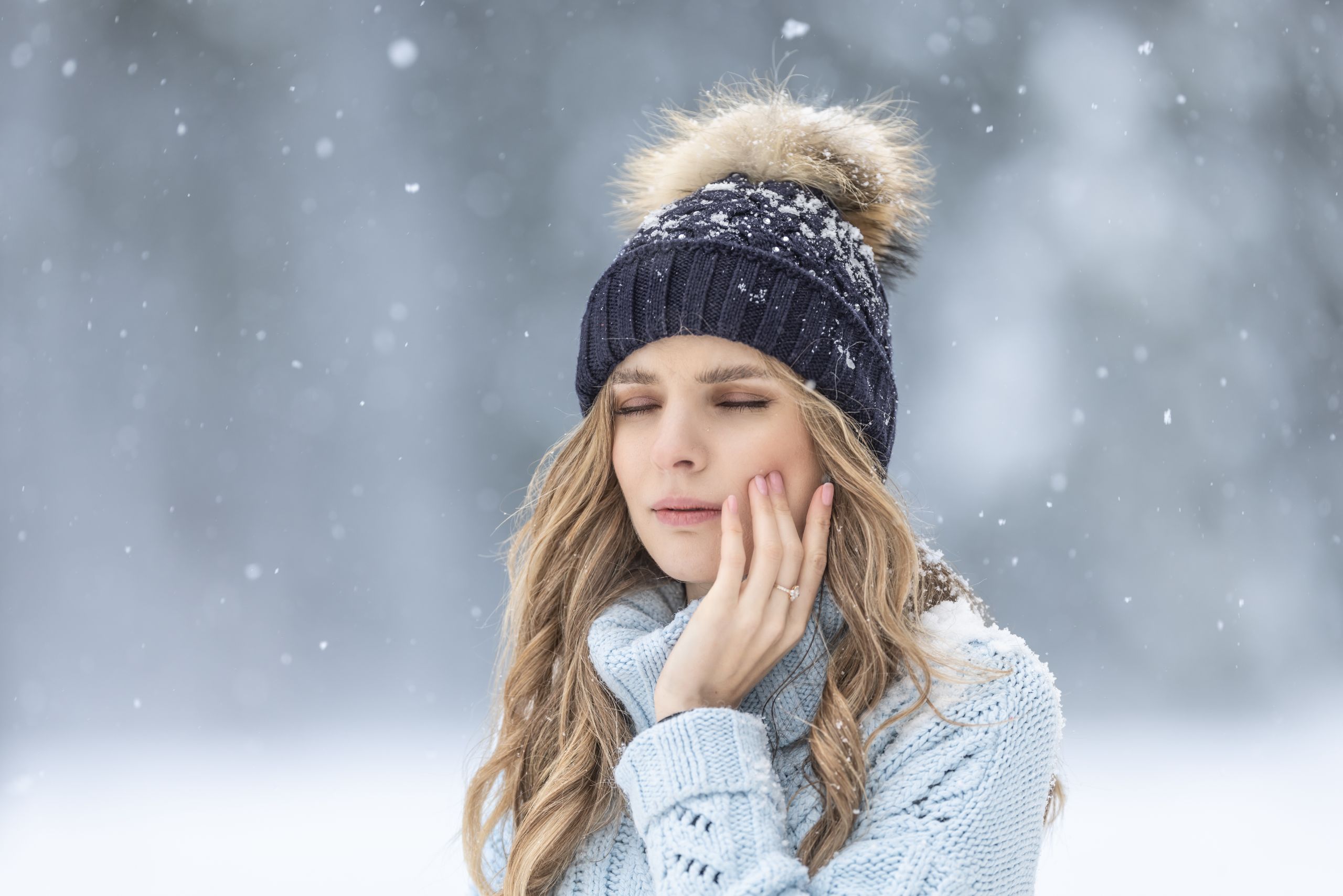
As the temperature drops in New Jersey, many people notice their joint aches getting worse, and the jaw joint is no exception. If you have ever felt your TMJ tighten up on a frigid morning or noticed your headaches becoming more frequent once winter sets in, you are not imagining it. Cold weather can genuinely intensify jaw pain and other temporomandibular joint (TMJ) symptoms, leaving many patients wondering why their discomfort seems to follow the seasons.
At Legacy Oral Surgery, we treat patients across Union City, Elizabeth, and Staten Island who deal with jaw pain, clicking, and muscle tension that flares up when the weather changes. Our team, including Dr. Nancy Herbst, has seen firsthand how seasonal shifts affect the muscles and joints that control jaw movement, and we want you to understand what is happening and how our occlusal adjustment services can help you find relief no matter the forecast.
Why Cold Temperatures Trigger Jaw Discomfort
Cold weather causes blood vessels throughout the body to constrict, including those supplying the muscles around your jaw. When circulation slows in this area, muscles can stiffen and become more prone to tension, placing additional strain on the temporomandibular joint. This is similar to how many people with arthritis or other joint conditions report feeling worse during colder months.
Barometric pressure changes that come with winter storms and cold fronts may also play a role. A study examining more than a decade of nationwide health data found that temporomandibular disorder (TMD) diagnoses rise and fall with the seasons and tracked closely with shifts in outdoor temperature. TMD is also highly prevalent overall, affecting roughly 31 percent of adults at some point, and researchers continue to explore why musculoskeletal conditions like TMD respond to shifts in weather patterns. For patients already managing jaw tension, these environmental changes can be the tipping point that turns mild discomfort into a noticeable flare.
Common Winter TMJ Symptoms to Watch For
Many patients do not immediately connect their symptoms to the season, so recognizing the pattern is an important first step. Cold weather-related TMJ flares often show up as a cluster of related complaints rather than a single symptom. Being aware of these signs can help you seek treatment before the discomfort becomes chronic:
- Increased jaw stiffness or difficulty opening your mouth fully in the morning
- Clicking or popping sounds that become more noticeable during colder months
- Tension headaches that radiate from the jaw and temples
- Increased teeth grinding or clenching while sleeping, often called bruxism
- Soreness in the neck and shoulders that accompanies jaw discomfort
If several of these symptoms sound familiar, it may be time to have your jaw joint evaluated rather than waiting for warmer weather to bring relief.
How Bruxism Makes Cold Weather Symptoms Worse
Cold weather often coincides with higher stress levels, whether from holiday demands, shorter daylight hours, or simply the discomfort of being cold. Increased stress is a well-known contributor to clenching and grinding, and when this happens on top of muscles that are already tense from lower temperatures, TMJ symptoms can compound quickly. Patients who already grind their teeth at night frequently notice their symptoms worsening once the cold sets in.
We often see patients whose winter flare-ups are actually a combination of two separate problems working together: the cold constricting muscle tissue and stress driving nighttime clenching. Addressing only one factor rarely provides lasting relief, which is why we look at the full picture during a jaw pain evaluation. Our approach considers your bite alignment, muscle tension patterns, and lifestyle factors that may contribute to your discomfort, similar to how we evaluate patients for jaw surgery for chronic headaches and jaw popping.
Practical Steps for Managing Winter Jaw Pain
While professional treatment addresses the underlying cause of TMJ dysfunction, there are steps you can take at home to reduce discomfort during cold months. Keeping your jaw muscles warm with a scarf or heating pad before heading outside can help reduce stiffness. Staying hydrated and avoiding excessive caffeine can also lessen muscle tension throughout the body, including the jaw.
Gentle jaw stretches in the morning can loosen muscles that tightened overnight, and being mindful of clenching during stressful moments can prevent symptoms from escalating. These strategies work best alongside professional care rather than as a replacement for it, especially if your symptoms have been present for several months or are affecting your ability to eat and speak comfortably.
When to See an Oral Surgeon for TMJ Relief
If your jaw pain becomes a seasonal pattern that disrupts your daily life, it is worth having an evaluation with a specialist who understands the full range of TMJ treatment options. Occlusal adjustment can correct bite alignment issues that contribute to muscle strain, while other approaches address muscle tension directly depending on what is driving your symptoms.
Persistent jaw pain, especially when paired with headaches or difficulty chewing, should not be dismissed as simply a winter nuisance. Left untreated, TMJ dysfunction can worsen over time and lead to more significant issues with bite alignment or joint damage.
Get Relief With Legacy Oral Surgery
We see over 7,000 patients a year across our Union City, Elizabeth, and Staten Island locations, and our team brings more than 35 years of combined professional experience to every jaw pain evaluation. Dr. Herbst is committed to making sure every patient feels comfortable and understood, whether your symptoms started last week or have been building for years, and we take the time to identify exactly what is driving your discomfort before recommending a treatment plan.
You do not have to accept jaw pain as a normal part of winter. If cold weather has been triggering your TMJ symptoms, reach out to our team to schedule an evaluation and start working toward lasting relief.