Medically Reviewed by Dr. Nancy Herbst on July 21, 2026
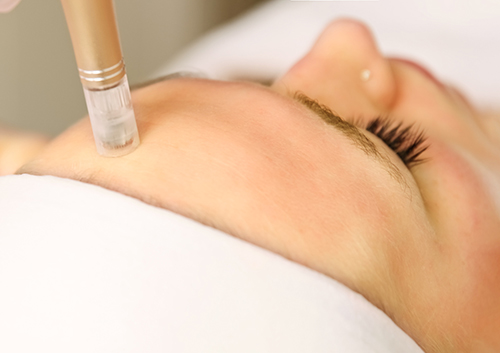
Microneedling is a minimally invasive skin rejuvenation procedure that uses fine needles to create thousands of tiny, controlled punctures in the surface of the skin. These micro-injuries trigger the body’s natural healing response, stimulating the production of collagen and elastin, the proteins responsible for keeping skin firm, smooth, and youthful. The result is a gradual improvement in skin texture, tone, and elasticity without the recovery time associated with more aggressive resurfacing procedures.
At Legacy Oral Surgery, our team offers microneedling as part of our aesthetic services, recognizing that facial confidence and skin health are meaningful aspects of overall well-being. We take the same thorough, personalized approach to skin rejuvenation that we bring to all of our procedures, starting with a consultation to understand your skin history and goals before recommending a treatment plan.
What Microneedling Can Treat
Microneedling is suitable for a wide range of skin concerns and is effective on most skin tones. It can help improve the appearance of:
- Acne scars and post-inflammatory hyperpigmentation
- Fine lines and wrinkles
- Loose or crepey skin
- Large pores
- Stretch marks
- Sun damage and uneven skin tone
- Dullness or overall texture irregularities
One of the advantages of microneedling over laser-based treatments is that it does not carry a risk of post-inflammatory hyperpigmentation, making it a well-tolerated option for patients with medium to darker skin tones. It can also be combined with platelet-rich plasma (PRP) or exosomes to enhance the stimulating effects of the treatment.
Who Should Not Have Microneedling
Microneedling is not appropriate for everyone. You should discuss your health history with your provider before proceeding if you have active acne breakouts or are currently on acne medication, are taking blood thinners or have a clotting disorder, are undergoing chemotherapy or radiation therapy, have eczema, psoriasis, or another active skin condition in the treatment area, or have a tendency to form keloid scars. A thorough consultation helps identify any contraindications and ensures the procedure is both safe and likely to produce the results you are looking for.
What Microneedling Involves: Step by Step
Understanding the process from start to finish can help you feel prepared and confident before your appointment.
Before your appointment: Avoid retinol, exfoliating acids, and blood-thinning medications or supplements for several days prior to treatment, as directed by your provider. Come to your appointment with clean skin and no makeup. In some cases, your provider may recommend applying a vitamin A or C cream in the weeks before treatment to begin supporting collagen production.
During the procedure: A numbing cream is applied to the treatment area and left in place for 30 to 45 minutes before treatment begins. Once the area is fully numb, your provider uses a handheld microneedling device to pass over the skin in a controlled pattern. The device delivers fine needles at a precise depth, creating micro-channels that stimulate the healing response. The procedure itself typically takes 15 to 30 minutes depending on the area being treated. You may feel mild pressure or a slight warming sensation. Deep needle settings used for scar treatment may produce minor, brief discomfort.
After the procedure: Your skin will appear red and feel warm immediately after treatment, similar to a moderate sunburn. This typically subsides within 24 to 48 hours. Most patients can return to their normal routine the following day, though sun protection is essential during healing.
Ready to Schedule Your Consultation?
Our board-certified oral surgeons are here to help you find the right treatment. Schedule your appointment today.
What to Expect During Recovery
Microneedling recovery is generally mild. Here is what most patients experience in the days following treatment:
Days 1 to 2: Redness, warmth, and mild swelling are normal. Your skin may feel tight or sensitive. Ice packs can help reduce discomfort and inflammation.
Days 3 to 5: Some patients notice light flaking or peeling as the skin sheds the superficial layer stimulated by treatment. This is part of the normal renewal process.
Weeks 2 to 3: Skin tone and texture begin to visibly improve as new collagen forms. Many patients notice a smoother, more even appearance during this window.
Month 3: Maximum collagen production is typically reached around 90 days after treatment, when results are at their most visible. Skin firmness and scar reduction are most pronounced at this stage.
Microneedling With PRP or Exosomes
Microneedling is often performed alongside topical treatments applied immediately after needle treatment, when the micro-channels allow for deeper penetration into the skin.
Microneedling with PRP uses platelet-rich plasma drawn from your own blood. PRP contains a concentrated supply of growth factors that accelerate tissue repair and collagen stimulation when applied to the treated skin.
Microneedling with exosomes is a newer alternative for patients who prefer not to use a blood-derived product. Exosomes are lab-derived cellular messengers, sourced from stem cells, that carry growth signals designed to replicate the regenerative benefits of PRP without requiring a blood draw.
Both options enhance the baseline effects of microneedling. Your provider will discuss which approach may be best suited to your skin goals and skin type.
How Many Sessions Are Needed
The number of sessions you need depends on your skin concerns and their severity. For general skin rejuvenation and texture improvement, most patients benefit from three to four sessions spaced four weeks apart. For acne scarring or more significant skin irregularities, four to six sessions are typically recommended. Results from each session build on the last, producing increasingly noticeable improvement over the course of treatment.
After completing an initial series, maintenance sessions once or twice a year can help sustain results by continuing to stimulate collagen production as the skin naturally ages.
Aftercare Tips for Best Results
Protecting and supporting your skin during the healing phase helps maximize the results of your treatment. Avoid direct sun exposure for at least one week after treatment, and apply broad-spectrum sunscreen daily. Keep your skin hydrated with a gentle, fragrance-free moisturizer. Avoid retinol, exfoliating products, and harsh actives for at least five days after treatment. Do not apply makeup for the first 24 hours. Steer clear of saunas, steam rooms, and intense exercise for 48 to 72 hours, as heat can increase inflammation during the early healing phase.
Schedule a Microneedling Consultation at Legacy Oral Surgery
Our team combines surgical precision with a thorough understanding of facial anatomy, bringing the same detail-oriented care to aesthetic treatments that we apply across all of our services. We begin with a consultation to review your skin history, discuss your goals, and determine whether microneedling is the right option for you. From there, we build a personalized treatment plan and walk you through what to expect at every step.
To get started, use our online contact form to request an appointment.
Frequently Asked Questions About Microneedling
Is microneedling painful?
Most patients find microneedling very tolerable. A numbing cream is applied 30 to 45 minutes before treatment, which significantly reduces discomfort. During the procedure, you may feel mild pressure or a slight warmth. Some areas, such as the forehead and cheekbones where skin is thinner over bone, can feel more sensitive. For deeper needle settings used to treat thick scar tissue, brief discomfort is possible but typically manageable.
How long does it take to see results from microneedling?
Initial improvements in skin texture and tone can appear as early as two to three weeks after a session. More significant results, including firmer skin and reduced scarring, typically develop over two to three months as collagen production peaks. Full results from a complete series of treatments become most visible around three months after the final session.
How many microneedling sessions will I need?
Most patients benefit from three to six sessions, depending on their skin concern and its severity. General skin rejuvenation typically requires three to four treatments spaced four weeks apart. Acne scarring and deeper texture issues often call for four to six sessions. Your provider will recommend a specific plan during your consultation based on your individual skin assessment.
What is the difference between microneedling with PRP and microneedling with exosomes?
PRP uses growth factors concentrated from your own blood to accelerate skin repair after microneedling. Exosomes are a lab-derived option sourced from stem cells that deliver similar regenerative signals without requiring a blood draw. Both are applied to the skin immediately after the microneedling procedure to take advantage of the open micro-channels. The right choice depends on your preferences and your provider’s recommendation based on your skin goals.
How long is the recovery after microneedling?
Most patients experience redness and mild swelling for 24 to 48 hours after treatment, similar to a sunburn. Mild peeling or flaking may occur between days three and five. By the end of the first week, most patients are comfortable going out without visible signs of the treatment. Downtime is minimal compared to laser resurfacing, and most people return to their regular routine the day after their session.
About the Author
Dr. Nancy Herbst
Dr. Nancy Herbst is a board-certified oral and maxillofacial surgeon with more than 25 years of experience. She leads Legacy Oral Surgery and Implants, serving patients across Union City, Elizabeth, and Staten Island with advanced surgical care and personalized treatment planning.