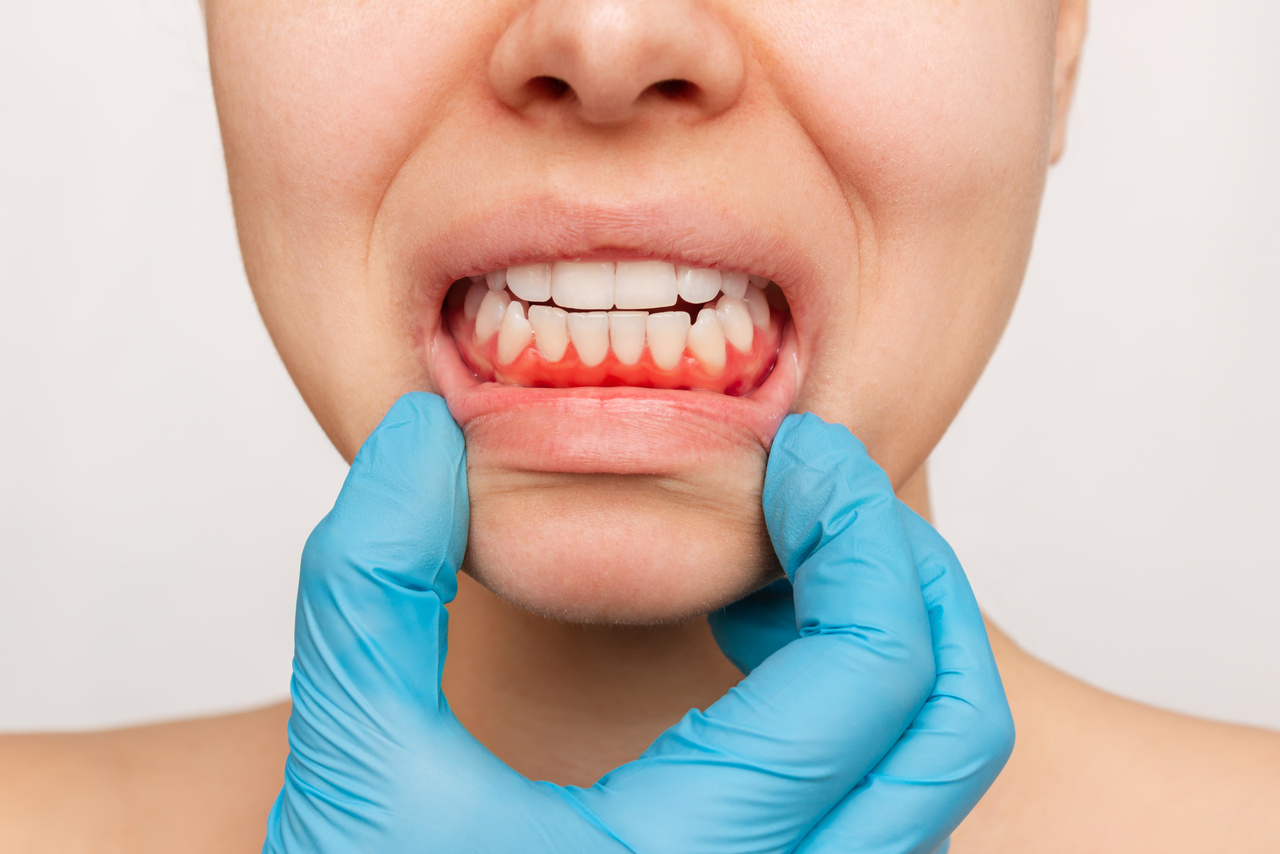
Gum contouring and reshaping, also known as gum sculpting, is a procedure that modifies the gumline to create a more proportionate relationship between the teeth and surrounding tissue. It is most commonly sought for a gummy smile, a condition where excess gum tissue covers more of the teeth than is aesthetically balanced, but it also addresses uneven gumlines, gum tissue overgrowth following orthodontic treatment, and tissue that has receded unevenly. The procedure can be approached as purely cosmetic or as part of a broader periodontal treatment plan, depending on the patient’s specific situation.
At Legacy Oral Surgery Group, our team performs gum contouring and reshaping procedures with precision and careful attention to how the final gumline will interact with the entire smile. Dr. Nancy Herbst, Dr. David Farkas, and Dr. Hillel Kaye bring more than 35 years of combined experience to cosmetic and surgical periodontal procedures across our Union City, Elizabeth, and Staten Island offices.
Who Needs Gum Contouring?
Candidates for gum contouring typically fall into two broad categories: those seeking cosmetic improvement and those addressing a functional or periodontal concern. On the cosmetic side, patients who feel self-conscious about how much gum tissue appears when they smile, or who have an uneven gumline where the tissue sits higher over some teeth than others, are common candidates. Even modest changes to the gumline can have a disproportionately positive effect on the overall appearance of a smile.
On the functional side, gum contouring is used to reduce deep periodontal pockets that trap bacteria and make thorough cleaning difficult. By recontouring the tissue, the procedure makes the gumline easier to maintain and reduces the bacterial load that contributes to ongoing periodontal gum disease. In both categories, a thorough evaluation of gum health is the starting point, and any active infection or disease must be treated before cosmetic reshaping is performed.
The Process of Gum Contouring
Gum contouring is typically completed in a single appointment using local anesthesia to ensure the treatment area is thoroughly numbed. Most patients do not require sedation, though it is available for those with dental anxiety. Before making any incisions, the provider maps the desired new gumline and discusses the outcome with the patient to ensure alignment on the intended result.
Depending on the case, the procedure uses either a scalpel or a soft tissue laser. Laser gum contouring offers several practical advantages: the laser simultaneously removes tissue and cauterizes the wound, which minimizes bleeding during the procedure and reduces the risk of post-operative infection. The heat from the laser also promotes faster initial healing compared to scalpel-based removal in many cases.
When gums have receded rather than overgrown, the contouring procedure works in the opposite direction. Rather than removing tissue, the provider may take a small amount of connective tissue from the palate and use it to restore fullness to areas where the gumline has pulled back. This technique addresses both the cosmetic and protective functions of the gum tissue. Gum contouring surgery takes one to two hours depending on the number of teeth involved and the complexity of the reshaping.
Benefits of Gum Contouring
The most immediate benefit for most patients is aesthetic. A balanced gumline creates visual symmetry across the smile and allows the teeth to appear in more natural proportion to the gums and lips. Patients who have avoided smiling openly due to concern about their gumline often describe a meaningful change in social confidence following the procedure.
For patients undergoing gum contouring as part of periodontal treatment, the functional benefits are equally significant. Shallow, well-defined gum pockets that allow access for brushing and flossing reduce bacterial accumulation at the gumline and make professional cleanings more thorough. This can slow or halt the progression of gum disease in cases where tissue architecture has been contributing to the problem.
Gum contouring is sometimes combined with other cosmetic dental procedures such as veneers, crowns, or teeth whitening to achieve a comprehensive smile transformation. Because the gumline serves as the frame for the teeth, reshaping it before other cosmetic work often improves the final outcome of those procedures as well.
Ready to Schedule Your Consultation?
Our board-certified oral surgeons are here to help you find the right treatment. Schedule your appointment today.
Potential Risks and Considerations
Gum contouring carries a low complication rate when performed on well-selected candidates with good baseline gum health. Infection risk is the primary concern in any surgical procedure and is minimized with proper post-operative care, including prescribed rinses and follow-up appointments to monitor healing. Sensitivity in the treated areas is common for a few weeks following the procedure and typically diminishes as the tissue heals.
One important consideration is the possibility that gum tissue may gradually grow back toward its original position over time, particularly if the underlying bone structure supports regrowth. In cases where the bone level needs to be adjusted to prevent this, the provider will remove a small amount of bone during the procedure to establish a stable new position for the gumline. Your surgeon will assess whether this step is necessary based on the anatomy of your specific case.
Gum contouring is generally considered a cosmetic procedure and may not be covered by dental insurance, though cases performed for periodontal disease management may qualify for coverage. Reviewing your benefits before the procedure and discussing financing options with our office allows you to plan accordingly.
Recovery After Gum Contouring
Most patients experience mild soreness for two to three days following gum contouring, which responds well to over-the-counter anti-inflammatory medications such as ibuprofen. The gums may appear slightly swollen or darker pink near the treatment area for the first week, which is a normal part of the healing response. Keeping the area clean by gently rinsing with salt water or a prescribed antimicrobial rinse helps support healing and reduces discomfort.
A soft food diet is recommended for approximately two weeks, including foods like yogurt, eggs, soft cooked vegetables, and pasta. Most patients return to their normal schedule within one to two days, with full gum healing taking approximately one to two weeks for minor reshaping and longer for more extensive procedures.
Contact your oral surgeon if you experience worsening pain after the first three days rather than improvement, persistent bleeding that does not resolve with gentle pressure, fever, or noticeable swelling that is increasing rather than decreasing. These signs warrant evaluation to rule out infection or other complications.
Is Gum Contouring Right for You?
Determining whether gum contouring is the right choice involves a consultation with your dental professional. During this consultation, your provider will evaluate your oral health, discuss your aesthetic goals, and explain the potential benefits and risks of the procedure. This personalized approach ensures you receive the most appropriate treatment for your specific needs.
Ideal candidates for gum contouring are those who have healthy gums and are looking to improve the appearance of their smile. If you have gum disease or other oral health issues, these conditions will need to be addressed before undergoing cosmetic gum procedures. Your dental professional will work with you to develop a comprehensive treatment plan that prioritizes your overall oral health and sets realistic expectations for the outcome.
Why Choose Legacy Oral Surgery for Your Gum Contouring Needs?
At Legacy Oral Surgery Group, we evaluate each patient’s gum health, bone anatomy, and aesthetic goals before recommending gum contouring as part of a treatment plan. We take time to map the proposed gumline and discuss the anticipated result so patients understand exactly what to expect. Whether the goal is cosmetic improvement, periodontal health, or both, our approach prioritizes long-lasting results with a recovery process that fits your life.
To learn whether gum contouring is the right option for you, reach out to our team through our contact form to schedule a consultation at our Union City, Elizabeth, or Staten Island location.
Frequently Asked Questions About Gum Contouring
Does gum contouring hurt?
The procedure is performed under local anesthesia, so you should not feel pain during the surgery itself. Afterward, mild soreness for two to three days is common and typically resolves with over-the-counter anti-inflammatory medication. Laser gum contouring tends to produce less post-operative discomfort than scalpel-based approaches for many patients. Most people find the recovery significantly more manageable than anticipated.
Is gum contouring a permanent procedure?
In most cases, yes. Removed gum tissue does not regenerate in the same location, particularly when the procedure includes adjusting the underlying bone level to prevent regrowth. That said, gums can still change over time due to aging, gum disease, or improper brushing habits. Maintaining good oral hygiene and attending regular professional check-ups helps preserve the result long term.
How long does recovery from gum contouring take?
Most patients heal within one to two weeks for minor to moderate reshaping. The first few days involve the most soreness, after which discomfort decreases steadily. A soft food diet is recommended for approximately two weeks. More extensive procedures involving multiple teeth or bone adjustment may take somewhat longer. Your surgeon will give you a specific recovery timeline based on the scope of your procedure.
Will my dental insurance cover gum contouring?
Gum contouring performed purely for cosmetic reasons is generally not covered by dental insurance. If the procedure is performed to address periodontal disease or to reduce deep gum pockets that affect oral health, some plans may cover a portion of the cost. Reviewing your specific plan benefits before scheduling and discussing financing options with our office can help you plan appropriately.
What is the difference between laser gum contouring and traditional gum contouring?
Traditional gum contouring uses a scalpel to remove excess tissue, which is effective and highly precise. Laser gum contouring uses a soft tissue laser that simultaneously removes tissue and cauterizes the area, which reduces bleeding during the procedure and can promote faster early healing. Both approaches produce good results. Your surgeon will select the appropriate technique based on the anatomy of your gumline and the scope of reshaping required.