Medically Reviewed by Dr. Nancy Herbst, DDS
Soft tissue grafting adds healthy gum tissue to areas where the gums have receded or thinned. The new tissue covers exposed tooth roots, thickens a fragile gum line, and helps stop recession from getting worse. For many people it also eases sensitivity to hot and cold and gives the smile a more even, natural-looking frame.
At Legacy Oral Surgery, our oral surgeons perform soft tissue grafting as part of our cosmetic periodontal procedures, and we see the same questions come up again and again. Below, we explain why gums recede, how grafting works, what recovery is really like, and how to decide whether a graft makes sense for you.
What Is Soft Tissue Grafting?
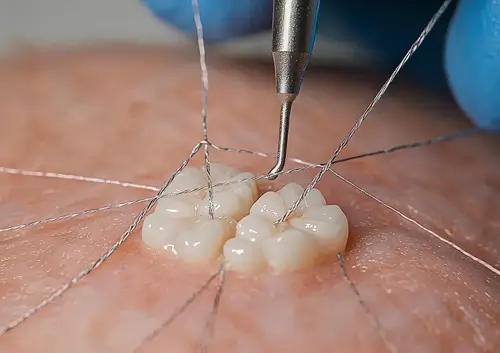
Soft tissue grafting is a minor surgical procedure that places new tissue over an area of gum recession. The tissue is secured with fine sutures, and over the following weeks it blends with the surrounding gum and develops its own blood supply. Once healed, the area has more gum coverage and a thicker band of firm tissue protecting the tooth.
The graft tissue can come from two places. The most traditional source is the roof of your mouth, called the palate. A small piece of tissue is taken from there and moved to the area that needs coverage. The other option is processed donor tissue from a tissue bank, which avoids a second surgical site in your mouth. Both approaches have a long track record, and the right choice depends on how much tissue is needed, how many teeth are involved, and your own comfort preferences.
Dentists sometimes call this procedure a gum graft, gingival graft, or periodontal plastic surgery. All of these names describe the same basic goal: rebuilding gum tissue that has been lost.
Why Gums Recede in the First Place
Gum recession happens gradually, which is why many people do not notice it until a tooth starts to feel sensitive or look longer than its neighbors. A 2021 overview from Tufts University School of Dental Medicine notes that recession can affect people who take good care of their teeth, and that sensitivity to hot and cold is often the first sign. Common contributors include:
- Periodontal disease: Bacterial infection below the gum line can break down the tissue and bone that hold teeth in place.
- Brushing too hard: A firm toothbrush and heavy pressure can wear away thin gum tissue over time.
- Genetics and thin gum tissue: Some people are simply born with a thinner, more delicate gum line that recedes more easily.
- Tobacco use: Smoking and chewing tobacco reduce blood flow to the gums and slow healing.
- Tooth position and orthodontic movement: Teeth that sit toward the outside of the arch often have less tissue covering them.
- Grinding, clenching, and lip or tongue attachments: Heavy biting forces or a tight frenum can pull on the gum margin.
Knowing the cause matters because a graft works best when the reason for the recession is also addressed. If gum disease is active, for example, it is usually treated first so the graft has a healthy foundation. Our article on common reasons you may need a gum graft covers these situations in more detail.
Benefits for Gum Health and Prevention of Recession
Gum tissue does more than frame your teeth. It seals the root surfaces off from bacteria, food, and temperature changes. Roots are covered by a softer layer than the enamel on the crown of the tooth, so once they are exposed, they are more vulnerable to sensitivity, decay, and wear.
A successful graft can restore that protective layer. In many cases, people notice less sensitivity when drinking cold water or eating ice cream. The thicker, firmer tissue also stands up better to brushing and chewing, which can help slow or stop further recession at that site.
Grafting can also protect the long-term health of the tooth itself. When recession is left alone and keeps progressing, it can eventually affect the bone around the tooth. Treating it while the problem is still limited to the gum may help you avoid more involved care later.
Cosmetic Benefits
Recession can make teeth look long, uneven, or darker near the gum line where the root shows through. Grafting can even out the gum line and reduce that exposed root, giving your smile a more balanced appearance. For people who feel self-conscious about how their teeth look when they smile or speak, this can be just as meaningful as the health benefits.
Ready to Schedule Your Consultation?
Our oral surgeons can examine your gums and talk through whether grafting is a good fit. Schedule your appointment today.
Types of Soft Tissue Grafts
Not every graft is done the same way. Your surgeon chooses a technique based on how much recession you have, how thick your existing tissue is, and whether the main goal is root coverage, thicker tissue, or both.
Connective Tissue Graft
This is one of the most common techniques for covering exposed roots. A small flap is opened on the palate, and tissue from beneath the surface layer is removed and stitched over the recession. Because the surface of the palate is closed back over the donor area, it often heals more comfortably than other palatal grafts. A 2025 systematic review published in the Journal of Advanced Periodontology and Implant Dentistry describes the subepithelial connective tissue graft as the gold standard for treating gum recession.
Free Gingival Graft
A free gingival graft takes a thin layer of tissue directly from the surface of the palate. It is often used when the main goal is to add thickness to very thin gums rather than to cover a root. It produces a firm band of tissue that resists further recession, though the color can be slightly lighter than the surrounding gum.
Pedicle Graft
When there is plenty of healthy gum next to the problem area, the surgeon may be able to rotate or slide that nearby tissue over the exposed root while it stays partly attached. Because the tissue keeps its own blood supply, there is no separate donor site.
Donor Tissue Grafts
Processed donor tissue, such as an acellular dermal matrix, can be used in place of tissue from your palate. The same 2025 review found that donor matrix and connective tissue grafts were similarly effective for root coverage in mild to moderate recession, and it noted that donor material can be helpful when several teeth need treatment at once. It spares you palate soreness, though it may not suit every situation.
The Procedure and Recovery Process
Treatment starts with a consultation. Your surgeon will examine your gums, measure the recession, review your medical history and medications, and may take images to check the bone around the teeth. This is also the time to talk about which type of graft is best and which anesthesia options fit your needs.
On the day of surgery, the area is numbed with local anesthesia so you stay comfortable. The surgeon prepares the site, places the graft tissue, and secures it with small sutures. If tissue is taken from your palate, that area is also closed or protected. The length of the appointment depends mostly on how many teeth are being treated.
What Recovery Looks Like
Mild swelling, tenderness, and some bleeding are normal for the first few days. Over-the-counter pain relievers or prescribed medication, along with cold compresses, can help. If tissue came from the palate, that area is often the more tender of the two sites. Our guide on how to tell if your gum graft is healing properly explains what normal healing looks like and which signs are worth a call to your surgeon.
According to the Tufts overview, sutures are typically removed about a week after surgery, the graft usually heals in about six to eight weeks, and the tissue fully matures over roughly six months. During the first stretch of healing, your surgeon will likely ask you to avoid brushing or flossing the graft site until you are cleared to, use a prescribed or recommended mouth rinse, chew on the opposite side of your mouth, and stick to soft, cool foods. Our post on what to eat after a gum graft offers simple meal ideas for those first two weeks.
Most people return to work or normal routines within a few days, although strenuous exercise may need to wait a little longer. It is also normal for the graft to look pale or slightly different in color while it heals.
Risks and Considerations of Soft Tissue Grafting
Soft tissue grafting is a well-established procedure, and complications are not common. Still, as with any surgery, there are risks to understand. These include infection, bleeding, discomfort at the donor site, temporary sensitivity, and the possibility that the graft does not fully attach. In some cases, root coverage is partial rather than complete, especially when bone between the teeth has already been lost.
Several factors can affect how well a graft heals. Smoking or vaping can reduce blood flow and raise the chance of graft problems. Uncontrolled diabetes and certain medications can slow healing, so it helps to share your full health history. Disturbing the graft by brushing it too soon or chewing on it can also interfere with attachment, which is why following aftercare instructions closely matters so much.
Your surgeon will talk through your individual risks during the consultation and adjust the plan if needed. Good oral hygiene and regular follow-up visits after healing help protect the results over the long term.
Is Soft Tissue Grafting Right for You?
You may be a good candidate if you have visible recession, sensitive or exposed roots, very thin gums, or recession that seems to be getting worse over time. Grafting is also sometimes recommended before orthodontic treatment or around teeth that will receive crowns or other restorations, when extra tissue thickness can help protect the area.
On the other hand, grafting may need to wait if gum disease is still active, if you have uncontrolled health conditions, or if you are not able to follow aftercare instructions during healing. Not every case of recession needs surgery right away, either. Mild, stable recession is sometimes simply monitored while you change brushing habits or address the cause.
The best way to know is a professional exam. Your surgeon can measure the recession, look at how much tissue and bone support the tooth has, and explain what results are realistic for you.
Schedule a Consultation to Discuss Your Dental Concerns
Gum recession tends to move slowly, but it rarely reverses on its own. Our team at Legacy Oral Surgery evaluates each patient’s gums, explains the available options, and builds a treatment plan around their health, goals, and comfort. Whether you need a single graft or care for several teeth, we take the time to walk you through every step before, during, and after the procedure.
If you have noticed sensitive teeth, a changing gum line, or roots that are starting to show, we would be glad to help you find out whether soft tissue grafting is the right next step. Fill out our contact form to request a consultation with our team.
Frequently Asked Questions About Soft Tissue Grafting
Does a gum graft hurt?
The procedure itself is done under local anesthesia, so you should not feel pain during it. Afterward, most people have mild to moderate soreness for a few days, which is usually managed with over-the-counter or prescribed pain medication and cold compresses. When tissue is taken from the palate, that area is often more tender than the graft site. Donor tissue avoids that second site.
How long does it take for a gum graft to heal?
Most people feel back to normal within a few days to a week. Sutures are often removed around one week after surgery. The graft itself generally heals over six to eight weeks, and the tissue continues to mature for several months after that. Your surgeon will check your progress at follow-up visits.
Can receded gums grow back on their own?
Gum tissue that has receded does not grow back by itself. Better brushing habits and treating gum disease can help slow or stop further recession, but restoring lost tissue usually requires a procedure such as soft tissue grafting.
Is tissue from my palate better than donor tissue?
Tissue from your own palate has the longest track record and is often considered the standard for covering exposed roots. Donor tissue avoids a second surgical site and can be useful when several teeth need treatment. Research shows both can work well for mild to moderate recession, so the choice depends on your situation and preferences.
How long do the results of a gum graft last?
A healed graft can provide long-lasting protection, often for many years. Results last longest when the original cause of recession is controlled. Gentle brushing with a soft brush, not using tobacco, managing grinding, and keeping up with regular dental cleanings all help protect the grafted tissue.
About the Author
Oral and Maxillofacial Surgeon | Owner, Legacy Oral Surgery
Dr. Nancy Herbst has more than 25 years of experience and leads the team of oral and maxillofacial surgeons at Legacy Oral Surgery. She earned her Doctorate of Dental Surgery from New York University College of Dentistry and served as Chief Resident in the Department of Oral and Maxillofacial Surgery at Jersey City Medical Center.