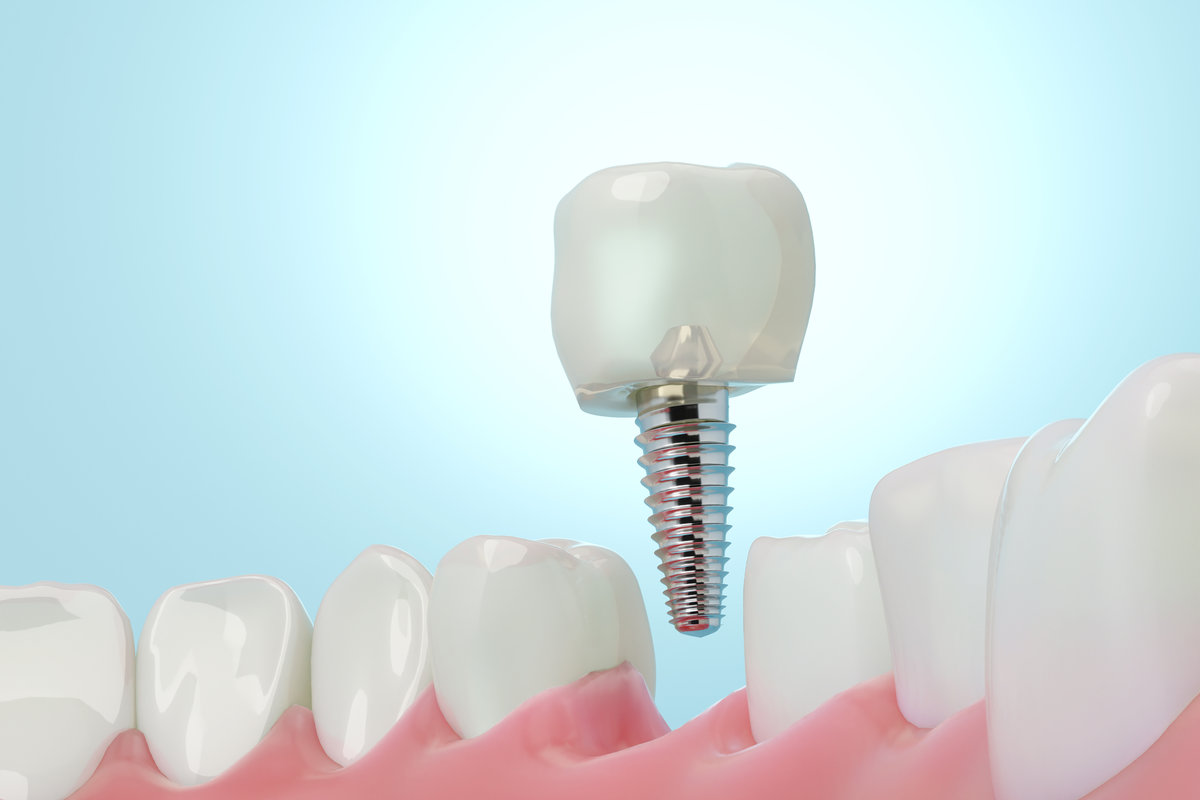
Pain after dental implant surgery is normal and expected. Your body responds to the surgical placement of titanium posts in your jawbone with inflammation, which triggers discomfort as part of the natural healing process. Most patients experience moderate pain for the first three to five days, with gradual improvement over the following two weeks. Understanding how to manage this discomfort effectively helps you recover faster and ensures your dental implants integrate successfully with your bone.
Northern New Jersey patients choosing dental implants make a significant investment in their oral health and quality of life. With over 35 years of combined professional experience serving communities throughout Union City, Elizabeth, and Staten Island, we guide more than 7,000 patients annually through successful implant procedures. Our team stays with you from the initial consultation through complete healing, providing the pain management strategies and support you need for a comfortable recovery.
What to Expect in the First 24 Hours
The first day after implant placement typically brings the most intense discomfort. Your mouth feels tender at the surgical site, and you may notice swelling beginning to develop. The local anesthetic wears off within a few hours of leaving our office, at which point you’ll start feeling the full extent of post-surgical sensations. Bleeding or slight oozing from the surgical site is normal during this period, appearing as pink-tinged saliva. Apply ice packs to your face for 20 minutes on and 20 minutes off during the first day to reduce inflammation and provide numbing relief.
Your medication schedule matters most during these initial hours. Take anti-inflammatory medications like ibuprofen as prescribed, even if you don’t feel severe pain yet. These drugs work best when they maintain consistent levels in your bloodstream rather than being taken only after pain becomes unbearable. Keep your head elevated, even while sleeping, to minimize fluid accumulation in the surgical area.
Medication Management Strategies
We typically prescribe a combination of medications to address different aspects of post-surgical discomfort. Non-steroidal anti-inflammatory drugs like ibuprofen reduce both pain and inflammation at the surgical site by blocking prostaglandins, chemicals your body releases in response to tissue injury. For more significant procedures, we may add a prescription opioid pain reliever to be taken exactly as directed. Many patients find they can transition to over-the-counter pain relievers after the first two to three days.
Antibiotics prevent infection at the implant site while your body heals. Complete the entire course of antibiotics even if you feel completely recovered, as stopping early may allow bacteria to develop resistance or cause an infection to return. Some patients benefit from alternating different types of pain medications, such as taking ibuprofen and acetaminophen at staggered times for more consistent pain relief throughout the day.
Dietary Adjustments for Comfort and Healing
Your diet directly impacts both your comfort level and how quickly you heal. Stick to soft, cool foods for the first few days after implant placement, such as yogurt, smoothies, mashed potatoes, scrambled eggs, and soup. These foods provide nutrition without requiring vigorous chewing that could stress the surgical site. Cold foods like ice cream or frozen yogurt offer the added benefit of numbing discomfort while you eat.
Avoid using straws during your recovery period, as the suction can dislodge blood clots or disturb healing tissue around your implant. Avoid hot foods and drinks for at least the first 24 hours, as heat increases blood flow to the surgical area and can prolong bleeding. Include soft protein sources like scrambled eggs, cottage cheese, Greek yogurt, or protein shakes to support tissue repair, and drink plenty of water throughout the day to support your immune system and promote healing.
Signs You Need to Call Your Surgeon
Most post-implant discomfort follows a predictable pattern of gradual improvement. Contact our office right away if your pain suddenly worsens after initially improving, as this change could indicate infection, implant failure, or another complication requiring intervention. Persistent bleeding beyond the first 24 hours, swelling that continues to increase after the third day, or fever above 101°F all signal problems needing evaluation.
Watch for infection signs including pus discharge, foul taste or odor from the surgical site, or increasing redness around the implant. Numbness or tingling persisting beyond the expected duration of local anesthesia needs attention, as this could indicate nerve involvement requiring specific treatment. If you have difficulty opening your mouth or swallowing, or if you develop severe jaw pain, contact us immediately.
Long-Term Comfort and Implant Success
Pain should steadily decrease over the first two weeks after surgery. By the end of week one, most patients feel comfortable enough to return to normal activities with some dietary modifications. Complete healing of the soft tissues takes several weeks, while bone integration around the implant continues for three to six months. During this integration period, practice excellent oral hygiene while being gentle around the surgical site.
Avoid smoking or using any tobacco products during your recovery, as smoking dramatically increases the risk of implant failure by restricting blood flow to the healing bone. Follow-up appointments allow us to monitor your healing progress and address any concerns before they become serious problems. Attend all scheduled visits even if you feel completely recovered, as we check for proper implant integration and assess the health of surrounding tissues.
Experience Quality Care at Legacy Oral Surgery
Dr. Nancy Herbst provides exceptional patient care drawing on more than 25 years of oral and maxillofacial surgery experience. We serve patients across Northern New Jersey from our convenient locations in Union City, Elizabeth, and Staten Island. Our state-of-the-art equipment and advanced surgical techniques help ensure successful outcomes with minimal discomfort.We remain available throughout your recovery to answer questions and address concerns. Effective pain management starts with proper planning before your procedure and continues with comprehensive post-operative support. If you’re experiencing discomfort after implant placement or have questions about what to expect, contact us today. We’re committed to providing the personalized attention you deserve at every stage of your dental implant journey.