Medically Reviewed by Dr. Nancy Herbst, DDS on September 28, 2026
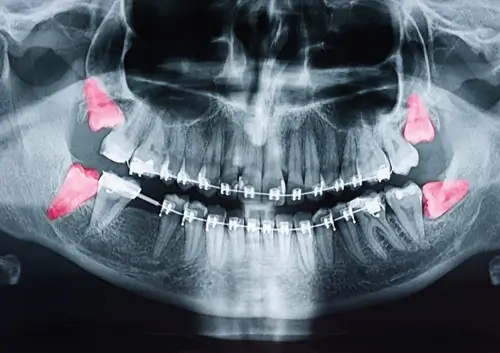
The three most common signs you need your wisdom teeth removed are persistent pain or swelling at the back of your mouth, crowding or shifting of the teeth in front of them, and repeated gum infections around a partially erupted tooth. These third molars usually develop between the ages of 17 and 25, and when there is not enough room for them to come in straight, they can become impacted, trap bacteria, and damage neighboring teeth. Not every wisdom tooth has to come out, but any of these warning signs is a good reason to have yours evaluated with an exam and X-rays.
At Legacy Oral Surgery, our oral and maxillofacial surgeons evaluate and remove wisdom teeth regularly, from routine extractions to deeply impacted teeth that sit close to nerves or the sinus. Our team, led by Dr. Nancy Herbst, can tell you whether your wisdom teeth are likely to cause problems, whether they can safely be monitored, and what removal would involve if it is the right choice for you.
Pain and Discomfort in the Back of Your Mouth
One of the most common signs you may need your wisdom teeth removed is persistent pain or discomfort in the back of your mouth. This pain often occurs as the wisdom teeth begin to emerge and press against neighboring teeth, causing irritation or crowding. If left unchecked, this discomfort can worsen over time as the wisdom teeth push against other molars.
In some cases, the pain may be intermittent, only surfacing when the teeth are trying to break through the gums. However, if the pain becomes constant or severe, it can be a strong indication that your wisdom teeth are impacted, meaning they are trapped under the gums or bone. Impacted teeth can lead to infections, cysts, or other complications if not addressed.
Swelling, Tenderness, and Jaw Stiffness
Swelling around the gums at the back of your mouth often accompanies the pain, signaling that the wisdom teeth are struggling to erupt properly. Some people also notice a stiff or sore jaw, trouble opening their mouth all the way, or an ache that seems to spread toward the ear. If you notice persistent swelling, redness, or tenderness around your back molars, it is time to consult with an oral surgeon to discuss whether removal is necessary.
Crowding and Shifting of Other Teeth
Even if your wisdom teeth are not causing immediate pain, they can still lead to long-term dental issues by crowding or pressing on the teeth in front of them. Wisdom teeth often do not have enough room to grow in properly, and a tooth that comes in at an angle can push against the second molar beside it.
Crowding is not just a cosmetic concern; it can also make maintaining good oral hygiene more difficult. When teeth are crowded, it becomes harder to clean between them, increasing the risk of plaque buildup, tooth decay, and gum disease. If your dentist or orthodontist has noticed your teeth are shifting or becoming more crowded, it might be time to have your wisdom teeth evaluated. This is also a common reason orthodontists ask patients to have wisdom teeth checked before or after braces or aligner treatment.
Wisdom teeth can also affect how your teeth meet when you bite down. As a third molar presses against the tooth in front of it, the pressure and angle can contribute to discomfort when chewing, and a tooth leaning into its neighbor can create a hard-to-clean pocket where decay develops on the second molar.
Repeated Infections and Gum Disease
Another significant sign your wisdom teeth may need to be removed is recurring infection around the teeth, often due to a condition known as pericoronitis. This happens when the gum tissue covering part of a partially erupted wisdom tooth becomes inflamed and infected, leading to pain, swelling, a bad taste, and difficulty chewing. If not treated, the infection can spread to other areas of the mouth and jaw.
The position of wisdom teeth at the very back of your mouth makes them particularly hard to clean, which increases the risk of bacteria accumulating around them. As a result, even if you practice good oral hygiene, it can be challenging to prevent infections from developing. If you find yourself dealing with frequent gum infections, your wisdom teeth could be the root cause.
In addition to infections, the difficulty in cleaning wisdom teeth can lead to an increased risk of gum disease. This can show up as persistent bad breath, bleeding gums, or tenderness when you brush or floss near the affected area. If you are experiencing any of these symptoms regularly, it may be a sign that your wisdom teeth are compromising your oral health.
Other Warning Signs Your Surgeon Looks For
Some wisdom tooth problems cause no symptoms at all and only show up on an X-ray. The American Association of Oral and Maxillofacial Surgeons lists pain, infection, gum disease, cavities, cysts or other pathology, and damage to neighboring teeth among the reasons removal is generally recommended in its overview of wisdom teeth management. The signs below are ones we watch for during an evaluation.
If you have noticed any of these changes, or if your dentist has pointed out an impacted tooth on an X-ray, an oral surgery consultation can clarify your options before a minor problem becomes a larger one. You can also compare these signs with our related guide on how to know if your wisdom teeth must go.
How Urgent Is Each Sign?
Not every wisdom tooth symptom calls for the same response. Sorting what you notice into one of three levels can help you decide how quickly to reach out, and it gives your surgeon useful information when you do.
If you are not sure where your symptoms fall, it is safer to describe them to a professional than to wait. Our emergency oral surgeon page explains how we handle urgent problems such as a painful, swollen wisdom tooth.
When Wisdom Teeth Can Stay
Removal is not automatic. According to the AAOMS, wisdom teeth may be kept when they have fully erupted, function properly in your bite, are free of pain, cavities, and gum disease, and can be kept clean. Even healthy wisdom teeth still need regular checkups and periodic X-rays, because problems can develop later without obvious symptoms.
Many surgeons prefer to evaluate wisdom teeth in the late teens or early twenties. At that stage the roots are often not fully formed and the surrounding bone is less dense, which can make removal more straightforward and recovery easier. That is why a baseline evaluation is worthwhile even if nothing hurts yet. Our surgeon will weigh your age, the position of each tooth, and your overall health before recommending removal or monitoring.
What Happens at a Wisdom Teeth Evaluation
A wisdom teeth consultation is a straightforward visit designed to answer one question: are these teeth likely to cause problems, and if so, what is the safest way to address them? It generally follows four steps.
If surgery is the right choice, it helps to understand the difference between simple and surgical tooth extractions and to review your dental anesthesia options ahead of time. After the procedure, small habits make a difference too, such as avoiding suction while the sockets heal, which we cover in our guide on using a straw after wisdom tooth removal.
Is It Time to Contact Legacy Oral Surgery?
If you are noticing any of the signs above, it might be time to consider wisdom teeth removal. With more than 25 years of experience, Dr. Nancy Herbst leads a team of oral and maxillofacial surgeons who use careful imaging and thorough evaluations to determine whether wisdom teeth extraction is necessary in your case. Dr. Herbst earned her Doctorate of Dental Surgery from New York University College of Dentistry and served as Chief Resident in Oral and Maxillofacial Surgery at Jersey City Medical Center.
We do not just treat your symptoms; we aim to prevent long-term issues with care tailored to your needs. Whether you are dealing with pain, crowding, or recurrent infections, our team is here to help. Use our contact form to schedule your consultation.
Frequently Asked Questions About Wisdom Teeth Removal
Do I need my wisdom teeth removed if they do not hurt?
Not necessarily. Wisdom teeth that have fully erupted, function normally, and can be kept clean may be monitored instead of removed. However, impacted teeth can cause cysts, decay on neighboring molars, or gum problems without any pain, so an exam with X-rays is the only reliable way to know whether yours are a risk.
What is the best age to have wisdom teeth removed?
Wisdom teeth usually develop between ages 17 and 25, and many surgeons like to evaluate them in the late teens or early twenties. At that age the roots are often not fully formed, which can make removal simpler and recovery smoother. Adults can still have wisdom teeth removed safely, and your surgeon will plan around your health and the position of each tooth.
What does an infected wisdom tooth feel like?
An infected wisdom tooth often causes throbbing pain behind the last molar, swollen or red gum tissue, a bad taste or odor, and pain when biting or opening wide. Some people also notice swelling in the cheek or jaw. Swelling that spreads, fever, or trouble swallowing or breathing needs prompt care.
Can wisdom teeth cause my other teeth to shift?
A wisdom tooth that comes in at an angle can press against the second molar in front of it and make that area crowded and hard to clean. Tooth movement can have several causes, so your surgeon and orthodontist will look at the whole picture before deciding whether removal is part of the plan.
How long does it take to recover from wisdom teeth removal?
Most people feel noticeably better within a few days and return to normal routines within about a week, although the sockets continue to heal for several weeks. Recovery depends on how many teeth are removed and how deeply they were impacted. Following your aftercare instructions, eating soft foods, and avoiding suction and smoking all support healing.
About the Author
Oral and Maxillofacial Surgeon | Owner, Legacy Oral Surgery
Dr. Nancy Herbst has more than 25 years of experience and leads the team of oral and maxillofacial surgeons at Legacy Oral Surgery. She earned her Doctorate of Dental Surgery from New York University College of Dentistry and served as Chief Resident in the Department of Oral and Maxillofacial Surgery at Jersey City Medical Center.