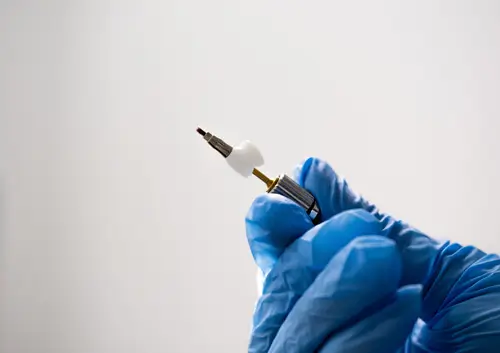
When tooth loss occurs, the jawbone that once supported those teeth begins to deteriorate over time, a process called resorption. This natural breakdown can create significant challenges for dental restoration, affecting everything from your facial appearance to your ability to qualify for dental implants. Bone grafting offers a solution to this problem by rebuilding lost bone tissue and creating a solid foundation for dental restorations. This specialized procedure adds bone material to areas of deficiency, stimulating your body to generate new bone cells and restore what was lost.
At Legacy Oral Surgery, we regularly perform bone grafting procedures for patients seeking comprehensive dental restoration. Our oral surgeons understand that maintaining adequate bone volume is essential not just for supporting dental implants but also for preserving facial structure and overall oral health. We offer various bone grafting techniques tailored to each patient’s specific needs, whether they are preparing for implant placement or addressing bone loss from periodontal disease, injury, or long-term denture wear.
How Bone Grafting Preserves Facial Structure
One of the most significant benefits of bone grafting is its ability to maintain facial aesthetics by preventing the collapsed appearance that often follows bone loss. When jawbone deteriorates, the distance between your nose and chin decreases, creating a sunken look that can make you appear older than your actual age. This change affects not just your profile but also causes wrinkles around the mouth, thinning lips, and a more pronounced chin. By restoring bone volume through grafting, these age-accelerating changes can be prevented or reversed.
Bone grafting also helps preserve the natural contours of your jaw and face by supporting the soft tissues that would otherwise sag without adequate bone structure. The procedure maintains proper spacing between facial features and helps retain muscle attachments that contribute to normal facial expressions and functions. For many patients, the aesthetic benefits of bone grafting are just as important as the functional improvements, since maintaining a natural appearance significantly impacts self-confidence and quality of life.
Types of Bone Grafting Materials Used in Oral Surgery
Not every graft uses the same source of bone material, and the right choice depends on the extent of bone loss and the planned restoration. Autografts use bone taken from another site in your own body, which integrates well but requires a second surgical site. Allografts use processed donor bone from a tissue bank, while xenografts rely on specially treated bone from an animal source, most commonly bovine. Synthetic graft materials made from biocompatible minerals are also widely used and eliminate the need for a donor site altogether.
Your oral surgeon will recommend a graft type based on the size of the defect, your bone density, and your overall health. Smaller sites often heal well with allograft or synthetic material, while larger reconstructions may call for a combination approach. This decision is made during your pre-surgical planning, using detailed imaging to map exactly how much material a given site needs.
Expanded Options for Dental Restoration
Perhaps the most practical benefit of bone grafting is how it qualifies more patients for dental implants who would otherwise be unsuitable candidates. Dental implants require sufficient bone volume and density to properly integrate and provide stable, long-term tooth replacement. Without adequate bone, implant placement becomes impossible or risks failure. Bone grafting creates the necessary foundation for successful implant surgery, opening this restoration option to patients who have experienced even significant bone loss.
The grafting procedure also allows for optimal implant positioning based on aesthetic and functional requirements rather than being limited by existing bone anatomy. This precise placement is crucial for achieving natural-looking results and proper bite alignment. Additionally, bone grafting enables the use of standard-sized implants rather than mini implants, which generally offer better long-term success rates and durability. For patients with multiple missing teeth, bone grafting can support more extensive restorations like implant-supported bridges or full-arch prosthetics.
Beyond implants, bone grafting improves outcomes for other dental treatments by creating better structural support for procedures like ridge augmentation and sinus lifts. These supplementary procedures become more predictable and successful when performed alongside bone grafting, leading to comprehensive solutions for complex dental problems. Patients who want a broader look at how bone grafting fits into implant planning can read our related post on the role of bone grafts in dental implants and jaw restoration.
What to Expect During Recovery
Recovery time after bone grafting varies based on the size of the graft and the material used, but most patients can expect initial healing within one to two weeks, with full integration into the jawbone taking several months. Mild swelling and tenderness at the graft site are normal in the first few days and typically respond well to over-the-counter pain relief and ice application. Your surgeon will provide specific aftercare instructions, including guidance on diet and oral hygiene around the graft site, to protect the area while it heals.
Patients considering both bone grafting and implants often ask how bone loss severity affects their options. Our post on getting dental implants with severe bone loss covers this topic in more depth, including how grafting, sinus lifts, and zygomatic implants can each play a role depending on the extent of deterioration.
Improved Long-Term Oral Health
Bone grafting offers significant long-term health benefits beyond just supporting dental restorations. By maintaining or restoring jawbone volume, the procedure helps preserve the integrity of remaining natural teeth, which might otherwise shift or become unstable due to bone loss in adjacent areas. This stability contributes to better overall dental function and reduces the risk of additional tooth loss, creating a lasting positive impact on oral health.
The grafting procedure also addresses the underlying cause of many dental problems rather than just treating symptoms. Bone loss can contribute to difficulties with chewing, speaking, and maintaining proper oral hygiene, all of which affect overall health and quality of life. By rebuilding the jaw’s structural foundation, bone grafting helps prevent these complications and supports better nutrition through improved chewing function.
For patients with periodontal disease, bone grafting can repair damage caused by infection and create an environment less hospitable to harmful bacteria. The procedure helps eliminate periodontal pockets where bacteria thrive and restores a more normal relationship between gum tissue and bone. This restoration of healthy oral architecture makes ongoing hygiene more effective and helps prevent recurrence of periodontal problems that could threaten both oral and systemic health.
Why Choose Legacy Oral Surgery for Bone Grafting?
At Legacy Oral Surgery, our team led by Dr. Nancy Herbst brings over 25 years of specialized surgical experience to every bone grafting procedure. We utilize advanced techniques and materials that optimize graft integration and success rates while minimizing recovery time. Our comprehensive approach includes careful pre-surgical planning with detailed imaging to identify exactly where and how much grafting material is needed. This precision allows us to achieve predictable results while keeping the procedure as conservative as possible.
How long does it take to recover from bone grafting?
Initial soft tissue healing generally takes one to two weeks, while full integration of the graft with your jawbone can take several months. Your surgeon will schedule follow-up visits to monitor progress and confirm the site is ready for the next stage of treatment, such as implant placement.
Is bone grafting painful?
Most patients experience mild to moderate discomfort in the days following bone grafting, similar to what you might feel after a tooth extraction. This is typically well managed with over-the-counter pain relief, ice application, and the aftercare instructions your surgeon provides.
Will insurance cover bone grafting before dental implants?
Coverage varies by plan and by whether the graft is considered medically necessary for implant placement. Our team can help you review your benefits and discuss financing options during your consultation so you understand your costs before moving forward with treatment.
Can bone grafting fail?
Bone graft failure is uncommon but can occur due to infection, insufficient blood supply to the site, or smoking, which significantly slows healing. Following your surgeon’s aftercare instructions closely and attending all follow-up appointments greatly reduces this risk.
How much bone loss is too much for grafting to help?
Even significant bone loss can often be addressed through advanced grafting techniques, sinus lifts, or specialized implant approaches. Your surgeon will evaluate your imaging and bone density to determine which combination of procedures gives you the strongest, most predictable outcome.
We understand that bone grafting represents an investment in your long-term dental health, which is why we take time to thoroughly explain the benefits, process, and expected outcomes before proceeding with treatment. Our patients appreciate our commitment to comfort and care throughout their surgical experience and recovery period. If you are considering dental implants or struggling with issues related to bone loss, we invite you to learn more about how bone grafting might benefit your specific situation. Contact our team at (201) 601-9262 or through our contact form to schedule a consultation.