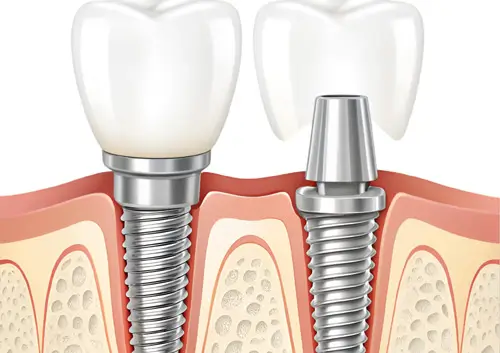
Bone grafting serves as a critical foundation for successful dental implant procedures, addressing one of the most common challenges patients face: inadequate jawbone density or volume. When teeth are missing for extended periods, the surrounding jawbone naturally deteriorates through a process called resorption, creating insufficient structure to securely anchor implants. This specialized procedure rebuilds diminished bone, creating a solid foundation that ensures implant stability, longevity, and optimal results for patients seeking permanent tooth replacement.
At Legacy Oral Surgery Group, our highly trained oral and maxillofacial surgeons provide a range of bone grafting techniques essential for dental implant success. Our team understands the complexity of jawbone restoration and uses advanced surgical methods to prepare your mouth for implants even in cases of significant bone loss. We develop personalized treatment plans that address your specific bone density challenges to support successful long-term implant outcomes across our Union City, Elizabeth, and Staten Island locations.
Why Jawbone Loss Happens After Tooth Loss
The jawbone requires stimulation from tooth roots to maintain its density. When a tooth is extracted or lost to disease, the bone that surrounded that root no longer receives this stimulation and begins to resorb. Research has shown that the alveolar ridge can lose up to 50% of its width during the first year after extraction if no intervention is performed, making future implant placement progressively more difficult as time passes.
Bone loss is also accelerated by periodontal disease, which erodes the bone supporting teeth from within. Trauma, failed root canals, and long-term denture wear contribute as well. In all of these situations, a bone grafting procedure may be recommended before implant placement to restore the volume and density needed to hold an implant securely for decades.
Types of Bone Graft Materials
Several types of grafting material may be used depending on the size of the defect, the location in the jaw, and the patient’s overall health. Your oral surgeon will discuss which material is most appropriate for your situation.
Autografts use bone taken from another location in your own body, such as the chin, jaw, or hip. Because the material is your own, autografts carry the highest biological compatibility and are often preferred for larger defects. They do require a second surgical site, which adds some recovery time.
Allografts use processed bone from a donor bank. The material undergoes rigorous sterilization and processing to eliminate disease risk while preserving the mineral structure that guides new bone growth. Allografts are widely used and eliminate the need for a second harvest site.
Xenografts are derived from animal sources, most commonly bovine (cow) bone, and are processed similarly to allografts. They serve as a scaffold for your body’s own bone cells to grow into and replace over time.
Alloplasts are synthetic bone substitutes made from calcium phosphate compounds or bioactive glass. They are entirely man-made and carry no risk of disease transmission. Alloplasts work well for smaller defects and are often combined with other materials.
Common Bone Grafting Procedures
Several specialized procedures may be recommended based on where bone loss has occurred and what implant placement requires.
Socket Preservation
When a tooth is extracted, the empty socket can quickly lose bone volume and change shape as it heals naturally. Socket preservation involves placing grafting material directly into the extraction site immediately after tooth removal to maintain the socket’s dimensions and prevent resorption. This proactive step preserves the natural contour of the gums and jawbone, making future implant placement more straightforward and predictable. Clinical studies show that without socket preservation, the alveolar ridge can lose up to 50% of its width in the first year after extraction.
Ridge Augmentation
When bone loss has already occurred and the ridge has narrowed or flattened, ridge augmentation rebuilds the height and width of the jawbone at that site. This procedure is performed by placing bone grafting material along the deficient area and covering it with a membrane to guide bone growth. Ridge augmentation is commonly needed when patients present for implant consultation well after a tooth was lost and the bone has already resorbed significantly.
Sinus Lift
The upper back jaw presents unique challenges for implant placement due to its proximity to the maxillary sinuses and typically lower bone density. Over time, the sinus floor can descend into areas where teeth were previously located, leaving insufficient bone height. A sinus lift involves carefully lifting the sinus membrane and placing bone graft material in the created space, increasing bone height in the upper jaw to accommodate implants. Patients typically require four to nine months of healing before implant placement following a sinus lift.
Recovery and Healing Timeline
The healing and integration period for bone grafts is a critical phase of the implant process. Understanding what to expect during recovery helps you actively participate in your outcome.
Most patients experience mild to moderate discomfort for several days following bone graft surgery, manageable with prescribed pain medications and over-the-counter anti-inflammatories. Swelling and bruising are normal and generally peak around 48 to 72 hours before subsiding. A soft-food diet and rest during the first week support early healing.
The integration period varies based on the type and location of the graft. Socket preservation grafts often show sufficient new bone within three to four months. Ridge augmentation and sinus lifts typically require four to nine months before the bone has matured enough for implant placement. Your oral surgeon will confirm readiness through clinical exam and imaging rather than assuming a fixed calendar date. Proper aftercare during this period, including avoiding smoking, alcohol, and strenuous activity, directly affects how well the graft integrates.
Success Rates and What Affects Them
Bone grafting for dental implant preparation has a strong track record. Clinical studies consistently report success rates above 95% when the procedure is performed on appropriate candidates with proper technique and postoperative compliance. Several factors influence outcomes:
- Patient health: Uncontrolled diabetes, autoimmune disorders, and smoking impair healing and reduce success rates
- Surgical technique: Proper graft placement and membrane fixation by experienced surgeons directly improve integration outcomes
- Graft material selection: Choosing the appropriate material for the specific defect size and location affects how well the graft incorporates
- Postoperative compliance: Following all care instructions and attending follow-up appointments is essential for monitoring and protecting the graft site
Patients who do not smoke, maintain stable overall health, and follow care protocols consistently achieve the strongest outcomes. The Cleveland Clinic notes that dental bone grafts provide a reliable foundation for implants and that most patients tolerate recovery well with appropriate preparation and aftercare.
Is Bone Grafting Right for You?
Not every implant candidate requires bone grafting. Patients who pursue implant placement soon after tooth loss, who have naturally dense bone, or who have not experienced significant resorption may qualify for direct implant placement without a preparatory graft. During your consultation, our surgeons review three-dimensional imaging of your jaw to assess bone volume at each implant site. If grafting is needed, we discuss the appropriate type, the expected timeline, and how it fits into your overall treatment plan before any procedure is scheduled.
Schedule a Consultation at Legacy Oral Surgery Group
Dr. Nancy Herbst, Dr. David Farkas, and Dr. Hillel Kaye bring decades of combined oral and maxillofacial surgery experience to every bone grafting procedure we perform. We stay current with advances in regenerative techniques and grafting materials to provide the most effective bone restoration options available. Our team takes the time to review your imaging, explain your options clearly, and build a timeline that sets your implants up for long-term success.
To find out whether bone grafting may be necessary for your implant plan, we invite you to submit a consultation request through our contact form and connect with our team at our Union City, Elizabeth, or Staten Island office.
Frequently Asked Questions About Bone Grafts for Dental Implants
How long does a bone graft take to heal before implant placement?
Healing time depends on the type of graft and the size of the defect. Socket preservation grafts often show sufficient bone maturation within three to four months. Ridge augmentation and sinus lift procedures typically require four to nine months before implant placement can proceed. Your oral surgeon will confirm readiness through imaging rather than assuming a fixed date, since individual healing rates vary based on health, bone quality, and graft type.
Is a bone graft always required before getting dental implants?
No, not every patient needs a bone graft before implant placement. Patients who have sufficient bone density and volume at the implant site can proceed directly to surgery. Bone grafting is recommended when three-dimensional imaging shows that the jawbone has resorbed to the point where it cannot reliably support an implant. The need for grafting is determined on a case-by-case basis during your consultation.
What are the different types of bone graft materials?
The four main types of bone graft material are autografts (your own bone, highest biocompatibility), allografts (processed donor bone from a tissue bank), xenografts (processed animal bone, most commonly bovine), and alloplasts (synthetic materials such as calcium phosphate). Each type has specific applications depending on defect size, location, and the patient’s clinical situation. Your surgeon will recommend the most appropriate material for your case.
Does a bone graft hurt?
Bone graft surgery is performed under local anesthesia, so you should not feel pain during the procedure. Sedation is available for patients who prefer a more relaxed experience. After surgery, mild to moderate discomfort is normal for the first several days and is typically manageable with prescribed pain medication and over-the-counter anti-inflammatories. Swelling and bruising usually peak around 48 to 72 hours and then subside. Most patients find recovery more manageable than they anticipated.
What happens if I skip bone grafting when it is recommended?
Placing an implant in a site with insufficient bone volume increases the risk of implant failure, poor aesthetics, and ongoing bone loss around the implant. Insufficient bone can cause the implant to be placed at an incorrect angle, reduce the stability needed for osseointegration, and lead to visible gum recession around the crown over time. Bone grafting, when recommended, is not optional preparation but a prerequisite for a predictable, long-term result.