Medically Reviewed by Dr. Nancy Herbst, DDS on August 13, 2026
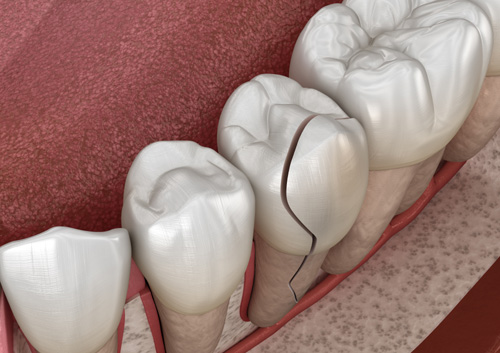
Teeth break when the force placed on them, whether from chewing, grinding, an injury, or decay, exceeds what the enamel and underlying dentin can withstand. A tooth that looks strong on the outside can still be structurally weakened from the inside, which is why a break can sometimes seem to happen without warning.
At Legacy Oral Surgery, we are committed to helping our patients achieve their smile and oral health goals in a comfortable and innovative setting. We pride ourselves on prioritizing patient safety and comfort and will do everything in our power to ensure you leave our office satisfied. Our founder, Dr. Nancy Herbst, has over 25 years of experience treating patients and can apply that experience to your unique concerns.
Top Reasons Teeth Break
Understanding why teeth break can help you protect your oral health and keep your mouth intact. A few common reasons your teeth may chip, crack, or break include the following.
Genetic Factors
Like other genetic traits, tooth strength is not the same for every person, and individuals have different dental enamel and dentin strengths. Dentinogenesis imperfecta is a genetic condition that occurs when the dentin, the middle layer of the tooth, does not grow properly. Amelogenesis imperfecta is a genetic condition that occurs when the outer enamel layer does not fully form. Both conditions can leave teeth weaker and more prone to breaking.
Sugary or Acidic Foods
Eating acidic foods, such as citrus fruits or vinegar-based dressings, on a regular basis can weaken enamel over time. Acidic beverages, including wine and energy drinks, can have a similar effect. If you routinely eat foods high in acid or sugar, meticulous oral hygiene becomes especially important to protect the enamel that remains.
Teeth Grinding
Clenching and grinding your teeth, a habit known as bruxism, stresses the enamel and can cause it to wear down and crack over time. This slow erosion may not lead to a cracked or chipped tooth right away, but the cumulative wear can eventually result in several breaks at once. Our team has also written about treatment options for bruxism and how occlusal adjustment can help prevent grinding-related damage.
Bite Problems
An uneven bite, often related to jaw disorders like temporomandibular joint (TMJ) disorder, can place uneven pressure on certain teeth, causing them to chip or crack. Misaligned teeth can create the same effect. Some teeth end up positioned to absorb most of the bite force, while others are set to support, which makes the load-bearing teeth more susceptible to fracture.
Chain Reactions
Your teeth work together to manage biting and chewing, ideally distributing force evenly across the arch. When one tooth breaks, that force gets redistributed among the surrounding teeth, throwing off the balance of pressure. In other words, one cracked tooth can set off a chain reaction that leads to additional breaks nearby if it is not addressed.
What to Do Right After a Tooth Breaks
How you respond in the first hours after a tooth breaks can affect whether it can be repaired or ultimately needs to be extracted. We cover this in detail in our guide on what to do after you break a tooth, but the basic steps are as follows.
- Rinse gently with warm water to clear away any debris.
- Apply a cold compress to the outside of the cheek to reduce swelling.
- Save any broken pieces if possible and bring them to your appointment.
- Avoid chewing on the affected side until you are evaluated.
Even a small chip should be evaluated promptly, since bacteria can enter a fractured area and put the health of the tooth at further risk.
How Oral Surgeons Repair a Broken Tooth
Treatment depends on how much of the tooth structure is affected. A minor chip may only need smoothing or bonding, while a deeper fracture that exposes the inner pulp may call for a root canal, a crown, or in some cases an extraction followed by a restoration such as a dental implant. Your oral surgeon will examine the tooth, take imaging as needed, and walk you through which option best protects your long-term oral health.
Schedule an Appointment with an Experienced Oral Surgeon at Legacy Oral Surgery
The skilled oral and maxillofacial specialists at Legacy Oral Surgery are here to help repair your damaged tooth so you can protect both your smile and your overall oral health. We will work with you to tailor a treatment plan to your specific needs and keep you comfortable and informed at every stage.
To schedule an appointment with a skilled oral surgeon, call us today at (201) 601-9262 or complete our contact form.
Frequently Asked Questions About Broken Teeth
Can a broken tooth heal on its own?
No. Enamel and dentin cannot regenerate the way skin or bone can, so a break will not close up or repair itself over time. Without treatment, a fracture typically stays open to bacteria and can worsen, leading to infection or further breakage.
Is a broken tooth always a dental emergency?
Not every chip requires same-day care, but any break accompanied by pain, sensitivity, bleeding, or a visible fragment of the inner tooth should be treated as urgent. When in doubt, it is safer to call your oral surgeon’s office the same day and let them advise you on timing.
Can a cracked tooth be saved?
In many cases, yes. Shallow cracks can often be restored with bonding or a crown, and even fractures that reach the pulp can sometimes be treated with a root canal before restoration. Extraction is generally reserved for teeth that are too damaged to support a repair.
Why did my tooth break with no obvious cause?
Teeth often weaken gradually from grinding, acid exposure, an old filling, or a previous crack that was not visible. What feels like a sudden break is frequently the final result of stress the tooth had already been absorbing for months or years.
How can I lower my risk of breaking a tooth?
Wearing a night guard if you grind your teeth, avoiding chewing on ice or hard candy, limiting acidic foods and drinks, and keeping up with regular dental checkups all reduce the risk. Addressing a misaligned bite early can also prevent uneven pressure from weakening specific teeth over time.
About the Author
Founder, Legacy Oral Surgery and Implants
Dr. Nancy Herbst has over 25 years of experience treating patients and leads the team of board-certified oral and maxillofacial surgeons at Legacy Oral Surgery.