A tooth that is badly broken, deeply decayed, or loose from gum disease can make every meal uncomfortable and every day a little more painful. Saving a natural tooth is always the first goal, but sometimes a tooth is too damaged to repair, or keeping it would put the surrounding teeth and bone at risk. When that happens, removing the tooth carefully and planning what comes next can protect your long-term oral health.
At our Legacy Oral Surgery office in Elizabeth, NJ, our surgical team performs simple and surgical tooth extractions for patients of all ages. Patients from across Union County visit our North Broad Street office for teeth that have broken at the gum line, impacted teeth, and extractions their dentist has recommended before orthodontic or restorative care. We offer in-office sedation, and we plan every extraction with your next step in mind, whether that is healing on its own, a bone graft, or a future implant.
When a Tooth Extraction Is Needed
Tooth decay is extremely common. The National Institute of Dental and Craniofacial Research reports that nearly 90% of adults ages 20 to 64 have had decay in their permanent teeth and that about 1 in 4 have untreated decay. When decay reaches deep into a tooth and cannot be repaired with a filling, crown, or root canal, extraction may be the safest option.
Other common reasons for extraction include severe gum disease that has destroyed the bone around a tooth, a tooth that has cracked below the gum line, crowding before orthodontic treatment, and teeth that are impacted and cannot erupt normally. Our surgeons always look at whether a tooth can be saved before recommending removal.
Common Reasons for Tooth Extraction in Elizabeth
Every case is different, but most extractions fall into a few common categories:
- Severe decay or infection that cannot be treated with a filling, crown, or root canal
- Advanced gum disease that has left a tooth loose
- A tooth that has broken or cracked below the gum line
- Impacted wisdom teeth or other teeth that cannot erupt normally
- Crowding that needs to be corrected before braces or aligners
- Teeth damaged in a fall, sports injury, or car accident
Impacted wisdom teeth are one of the most common reasons for extraction, and our page on wisdom teeth removal in Elizabeth covers that process in detail. When a tooth has been damaged in an accident, our team also treats traumatic dental injuries and can often see you the same day through our emergency oral surgeon services in Elizabeth.
Simple vs. Surgical Tooth Extractions
Not every extraction is the same. The table below compares the two main types so you know what to expect.
| Factor | Simple Extraction | Surgical Extraction |
|---|---|---|
| Tooth condition | Fully visible above the gum line | Broken at the gum line, impacted, or with curved roots |
| What is done | The tooth is loosened and gently lifted out | A small opening is made in the gum, and the tooth may be removed in sections |
| Anesthesia | Usually local anesthesia | Local anesthesia, with IV sedation or general anesthesia available |
| Stitches | Sometimes | Often |
| Recovery | Often a few days | Often several days to a week |
Our article on the differences between simple and surgical tooth extractions explains each type in more depth. Your surgeon will tell you which type you need after reviewing your exam and imaging.
What Happens During a Tooth Extraction
Your visit starts with a review of your medical history, medications, and imaging. Our surgeons explain the procedure and your anesthesia options, including sedation dentistry at our Elizabeth office for patients who feel anxious or need more complex care.
Once the area is numb, the tooth is gently loosened and removed. For surgical extractions, a small opening is made in the gum and the tooth may be divided into sections to protect the surrounding bone. The socket is cleaned, and stitches are placed when needed. If you are planning an implant, our team may place a graft at the same visit to protect the bone.
Thinking about an implant later? Ask about socket preservation in Elizabeth before your extraction, since it is easiest to do at the same visit.
Recovering From a Tooth Extraction
Most patients recover from an extraction within a few days, though the socket continues to heal for several weeks. Knowing what to expect makes it easier to plan around work or school.
Some light bleeding is normal during the first day. Our article on when to be concerned about bleeding after an extraction explains what is normal and when to call. Call our office if pain gets worse after the third day, if you develop a fever, or if swelling increases instead of improving, since these can be signs of dry socket or infection. Our post-surgical care resources cover general recovery steps.
Replacing a Tooth After Extraction
An empty space can allow neighboring teeth to shift and the jawbone to shrink over time. If the extracted tooth was important for chewing or appearance, it is worth planning a replacement. Options include dental implants in Elizabeth, bridges, and partial dentures.
For one missing tooth, single tooth implants replace both the root and the crown without relying on neighboring teeth. If bone has already been lost, bone grafting can rebuild support first. Our team will walk you through the options and timing during your consultation.
Scheduling a Tooth Extraction at Our Elizabeth Office
Our office at 700 N. Broad Street is convenient for patients in Elizabeth and nearby communities such as Linden, Roselle, Hillside, Union, and Rahway. Patient forms are available in Spanish, and no referral is required to schedule a consultation.
Our office staff is always available to help with insurance claims and paperwork, and our team can review insurance and financing options with you. Financing is available through CareCredit and other partners. Our Elizabeth surgical coordinator and treatment plan coordinator can help you schedule your extraction and any follow-up treatment.
Tooth Extraction in Elizabeth, NJ at Legacy Oral Surgery
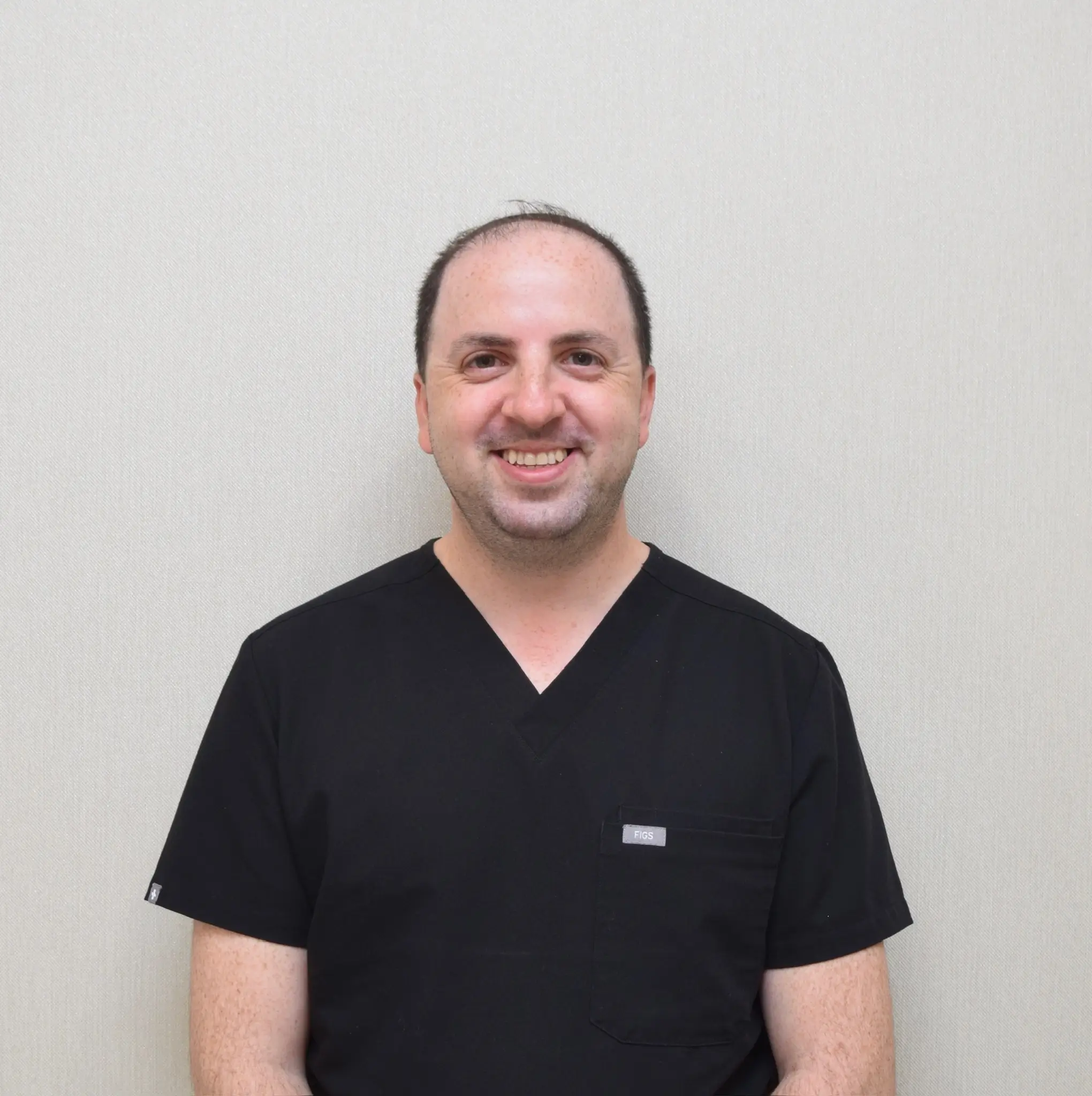
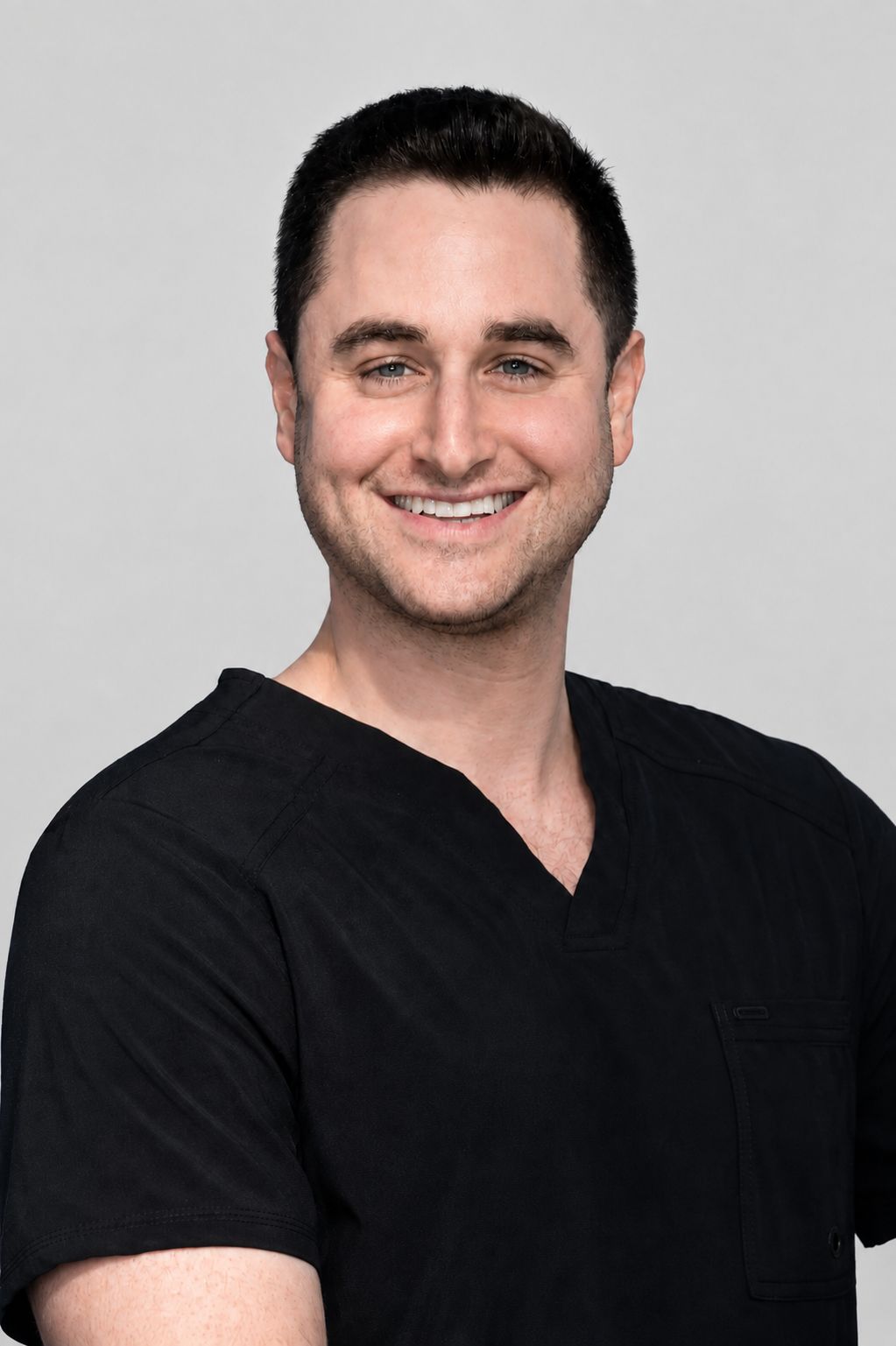
Our surgical team brings more than 40 years of combined professional experience to patients at our Elizabeth office, and we treat every extraction as part of your larger oral health plan. From routine removals to complex surgical cases, we focus on your comfort, careful technique, and a clear plan for what comes next.
If a tooth is causing pain or your dentist has recommended removal, we can help you review your options and get relief. Request an appointment through our online contact form to get started at our Elizabeth office.
Frequently Asked Questions About Tooth Extraction in Elizabeth
The area is fully numbed before the extraction, so most patients feel pressure rather than pain. Sedation is also available. Soreness afterward is common for a few days and can usually be managed with the medications and aftercare steps our team recommends.
Most patients feel ready to return to normal activities within a few days. The socket continues to heal over the following weeks. Surgical extractions may take a little longer than simple ones.
Dry socket happens when the blood clot in the socket is dislodged or dissolves too early, exposing the bone underneath. It usually causes pain that gets worse a few days after the extraction. Avoiding straws, smoking, and forceful rinsing helps protect the clot, and our team can treat dry socket if it occurs.
Sometimes. When there is enough healthy bone, an implant may be placed at the same visit. In other cases, the socket is preserved with a graft and allowed to heal before the implant is placed. Our surgeons will explain which approach fits your case.
Stick to soft, cool foods such as yogurt, applesauce, mashed potatoes, and soups that are not too hot for the first few days. Chew on the opposite side and avoid crunchy, spicy, or chewy foods until the area feels comfortable.
Many dental and medical plans provide coverage for extractions, especially when they are medically necessary. Our Elizabeth staff will work with your insurance provider, help with paperwork, and review any out-of-pocket costs before treatment.