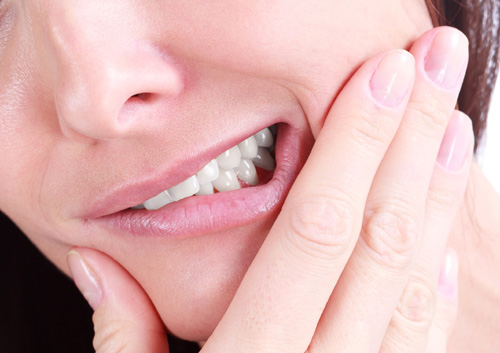
Bruxism is the involuntary grinding, clenching, or gnashing of your teeth, and it often happens without you realizing it, especially while you sleep. Left unaddressed, the repeated pressure can wear down enamel, loosen teeth, and strain the jaw joint until you are dealing with chronic pain and dental damage rather than a manageable habit.
At Legacy Oral Surgery and Implants, our board-certified oral and maxillofacial surgeons evaluate the severity of your bruxism and match you with a treatment plan built around your specific symptoms. Bruxism can also be closely tied to underlying sleep disorders, which is one of the first things we screen for during a consultation. Below, we walk through what causes bruxism, the warning signs to watch for, and four treatment approaches we may recommend.
What Causes Bruxism?
Bruxism does not have a single cause. According to Cleveland Clinic, common triggers include stress and anxiety, certain medications, sleep disorders such as sleep apnea, and a misaligned bite. The condition can occur while you are awake, often as an unconscious response to concentration or tension, or during sleep, when it is harder to notice until a partner mentions the grinding sound or you wake up with jaw soreness.
Signs You May Have Bruxism
Bruxism can be difficult to self-diagnose because much of the damage happens while you are unaware of it. Watch for the following signs:
- Morning jaw soreness or tightness that improves as the day goes on
- Frequent headaches, particularly near the temples
- Increased tooth sensitivity to hot, cold, or sweet foods
- Visible wear, flattening, or chipping on the biting surfaces of your teeth
- Clicking or popping in the jaw joint when you chew or open wide
If any of these sound familiar, a consultation with an oral surgeon can confirm whether bruxism is the cause and how far the condition has progressed.
4 Ways to Treat Bruxism
Any side effects of bruxism, such as gum disease, loosened teeth, or worn enamel, are addressed first. From there, your oral surgeon may recommend one or more of the following four treatment options depending on the severity of your grinding and clenching.
Fitted Mouthguard
If most of your grinding happens while you sleep, your oral surgeon may fit you for a custom mouthguard. Unlike an over-the-counter guard, a fitted mouthguard is designed around impressions of your own teeth, so it stays in place without disturbing your sleep. It creates a barrier between your upper and lower teeth to prevent the wear and tear associated with bruxism.
Left untreated, grinding can wear away the outer layer of your teeth, leaving you more susceptible to infection, sensitivity, and chipped teeth. A properly fitted mouthguard is typically the first line of defense before other treatments are considered.
Lifestyle Changes
Clenching and grinding are frequently associated with elevated stress and anxiety. Once any physical damage has been addressed, your oral surgeon may suggest a few adjustments, including:
- Reducing or eliminating caffeine, especially in the afternoon and evening
- Practicing stress-reduction techniques or, when appropriate, anxiety management with your physician
- Keeping a more consistent sleep schedule
When the underlying source of stress is addressed, bruxism symptoms often improve on their own.
Botox or Muscle Relaxants
Bruxism places repeated stress on the temporomandibular joint, which you rely on to chew, bite, and speak. When a muscle relaxant or Botox is injected directly into the jaw muscles, it weakens the muscle just enough to reduce involuntary, chronic grinding. It can also soften the squared jawline appearance that sometimes develops from years of overactive jaw muscles.
Voluntary actions such as biting, chewing, and speaking are not affected by these injections. Combined with a mouthguard or lifestyle changes, muscle relaxants can meaningfully reduce the pain associated with severe bruxism, though the effects are temporary and treatment is typically repeated every few months.
Professional Jaw Massage
Targeted massage therapy can relieve pain in the jaw, ears, and head that develops from hours of clenching. Focusing on the masticatory muscles can reduce inflammation and swelling, easing discomfort while chewing or speaking. This approach is generally used alongside another treatment rather than as a stand-alone solution.
When Bruxism Needs a Closer Look
Bruxism does not affect every patient the same way. Older adults may face additional considerations related to existing dental work or bone density, while a misaligned bite can make occlusal adjustment a more effective long-term solution than a mouthguard alone. Because the right treatment depends on what is driving your bruxism, an in-person evaluation is the most reliable way to build a plan that actually addresses the cause.
What to Expect at Your Consultation
During your first visit, we review your symptoms, examine your teeth and jaw for signs of wear, and discuss your sleep habits and stress levels. In some cases, we may recommend a sleep evaluation if we suspect a connection to sleep apnea. From there, we build a treatment plan that may combine a mouthguard, lifestyle adjustments, and, if appropriate, muscle relaxant injections, so you are not managing multiple providers or piecing together your own care on top of an already stressful symptom.
Why Untreated Bruxism Becomes More Than a Dental Problem
Because bruxism most often happens while you sleep or while you are focused on something else, it is easy to dismiss the early signs as a minor annoyance. Over months or years, though, the repeated force reshapes how your bite fits together and puts continuous strain on the muscles and joint that let you chew and speak comfortably. Patients who wait until pain becomes constant often need more involved restorative work than they would have needed with earlier treatment, which is why we encourage anyone with morning jaw soreness or new tooth sensitivity to schedule an evaluation rather than waiting for symptoms to escalate.
Are You Affected by Bruxism? Legacy Oral Surgery and Implants Can Help
A painful jaw can affect the way you go about your life, making it harder to enjoy meals, smile, or talk comfortably. Our doctors have devoted their careers to alleviating pain and delivering minimally invasive, cost-effective treatment for patients throughout New Jersey.
If bruxism is affecting your daily life, the first step is a conversation with a qualified oral and maxillofacial surgeon. Fill out our contact form to schedule your consultation.
Frequently Asked Questions About Bruxism
Can bruxism go away on its own?
Mild bruxism linked to temporary stress may ease once that stress resolves, but chronic grinding usually requires treatment to prevent lasting damage to your teeth and jaw joint. An oral surgeon can help determine whether your case needs active management or can be monitored over time.
How do I know if I need a mouthguard or Botox for bruxism?
Most patients start with a custom-fitted mouthguard, since it protects the teeth without altering muscle function. Botox is typically reserved for more severe or persistent cases that have not responded fully to a mouthguard or lifestyle changes.
Is bruxism linked to sleep apnea?
Sleep bruxism is often connected to disrupted sleep patterns, including sleep apnea. If we suspect this connection during your evaluation, we may recommend a sleep assessment alongside your dental treatment plan.
Can children have bruxism too?
Bruxism is common in children and often resolves as their permanent teeth come in and jaw growth stabilizes, though persistent grinding should still be evaluated to rule out other causes.
How long does it take for bruxism treatment to work?
A custom mouthguard typically provides protection right away, while lifestyle changes and stress reduction can take several weeks to show a noticeable difference. Muscle relaxant injections generally begin working within a few days and last several months.