Medically Reviewed by Dr. Nancy Herbst on August 10, 2026
A frenectomy is a short surgical procedure that releases or reshapes a frenulum, the band of connective tissue that anchors the tongue to the floor of the mouth or the upper lip to the gums, when that tissue is too tight or too short to allow normal movement. Commonly known as treatment for tongue-tie or lip-tie, a frenectomy can resolve issues with feeding, speech, and gum health in infants, children, and adults alike.
The mouth has several frenula, and their length and thickness vary naturally from person to person. Problems only arise when a frenulum restricts movement enough to cause functional issues. Our team of qualified oral surgeons at Legacy Oral Surgery and Implants performs frenectomy procedures for patients of all ages at our Union City and Staten Island locations.
Different Types of Frenectomy Procedures
A frenectomy treats the symptoms of a tight or short frenulum. Left untreated, common effects include limited lip or tongue motion, trouble speaking, painful swallowing, and gum recession, which can progress into more complex oral health problems such as gum disease, cavities, and gaps between teeth known as diastema.
The two main types of oral frenectomy procedures depend on the location of the affected tissue:
- Lingual frenectomy: When the frenulum connecting the tongue to the floor of the mouth is short, it limits the tongue’s range of motion. This is informally known as tongue-tie. A lingual frenectomy removes or modifies the connective tissue to restore normal movement.
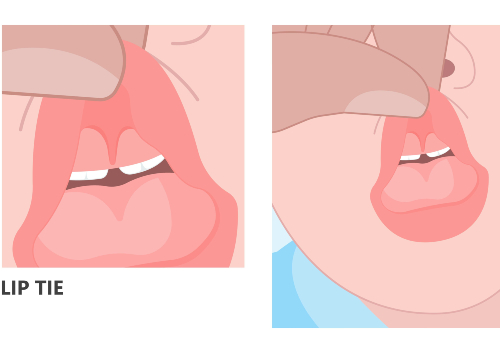
- Labial frenectomy: A lip-tie occurs when the connective tissue between the upper gum and upper lip is too tight or short. This can pull at the gums, causing recession and increasing susceptibility to gum disease. Also called a maxillary frenectomy, this procedure corrects the restriction.
The goal of a frenectomy is to free the individual from the restriction and restore full functionality of the mouth.
Signs a Frenectomy May Be Needed
In infants, a tongue-tie or lip-tie often shows up as difficulty latching during breastfeeding, poor weight gain, clicking sounds while feeding, or a caregiver experiencing pain during nursing. As children grow, an untreated tongue-tie can contribute to speech sound errors, particularly with sounds that require the tongue tip to reach the roof of the mouth, and can affect the ability to stick out the tongue past the lower lip.
In older children and adults, symptoms can include difficulty with certain speech sounds, discomfort eating certain foods, gum recession near the front teeth from a tight labial frenulum, a visible gap between the front teeth, or orthodontic relapse after braces because the frenulum keeps pulling the teeth back out of alignment. Patients preparing for orthodontic treatment are sometimes referred for a frenectomy first so the frenulum does not interfere with tooth movement or long-term stability.
How the Procedure Works
An oral surgeon first confirms the need for a frenectomy through a professional examination, assessing how much the frenulum restricts movement and whether it is contributing to the feeding, speech, or dental issue in question. The procedure itself is quick and can typically be completed in a single visit.
For infants, the surgeon uses fine surgical scissors to release the frenulum, a step that takes only moments and requires little to no recovery time. For older children and adults, the treatment area is numbed with local anesthetic before the frenulum is released or reshaped using a scalpel, surgical scissors, or a soft-tissue laser. Laser frenectomy has become increasingly common because it tends to produce less bleeding and does not always require stitches, which can shorten the healing timeline compared to traditional techniques.
What to Expect During Recovery
Recovery from a frenectomy is generally short. Infants can usually resume breastfeeding or bottle-feeding almost immediately, and any fussiness typically resolves within a day or two. For older children and adults, mild discomfort and slight bleeding are normal for the first 24 to 48 hours, with the surgical site fully healing within one to two weeks.
Your surgeon will provide specific instructions on stretching or aftercare exercises, which help prevent the tissue from reattaching as it heals, along with guidance on which foods, drinks, or activities to avoid while the area recovers. Older patients are typically advised to stick to soft, cool foods for the first few days and to avoid overly hot or spicy items that could irritate the healing tissue.
Consult With a Qualified Oral and Maxillofacial Surgeon Today
Legacy Oral Surgery and Implants has proudly served the New Jersey and Staten Island community for many years, providing a state-of-the-art facility, advanced technology, and up-to-date surgical techniques. Our people-first approach means you have support from your initial consultation through the end of your procedure, and we work with insurance companies on your behalf to help you get the most from your coverage.
Make your life easier by scheduling an appointment with an experienced, compassionate oral surgery team. Start the process today by using our contact form.
Frequently Asked Questions About Frenectomy
Is a frenectomy only performed on infants?
No. While frenectomies are common in infants dealing with feeding difficulties, older children and adults can also benefit from the procedure when a tight frenulum is affecting speech, causing gum recession, or interfering with orthodontic treatment. Candidacy depends on symptoms rather than age alone.
Is a laser frenectomy different from a traditional frenectomy?
Both approaches release the restrictive tissue, but a soft-tissue laser typically causes less bleeding and often does not require stitches, which can shorten healing time. A scalpel or surgical scissors remain effective, well-established options as well. Your surgeon will recommend the technique best suited to your case.
Is a frenectomy painful?
Infants typically show minimal signs of discomfort and can feed again right away. Older children and adults receive local anesthetic before the procedure, and most describe only mild soreness for a day or two afterward, which is generally manageable with over-the-counter pain relief as directed by your surgeon.
How do I know if my child needs a frenectomy?
Signs in infants include trouble latching, poor weight gain, or clicking sounds while feeding. In older children, watch for difficulty pronouncing certain sounds, an inability to stick the tongue past the lower lip, or a noticeable gap between the front teeth. An oral surgeon can confirm whether a frenectomy is appropriate through an examination.
Will insurance cover a frenectomy?
Coverage varies by plan and by whether the procedure is considered medically necessary, such as for feeding difficulties or documented speech impairment. Our team works with insurance providers to help you understand your benefits and maximize your coverage before scheduling the procedure.
About the Author
Dr. Nancy Herbst
Dr. Nancy Herbst is a board-certified oral and maxillofacial surgeon with more than 25 years of experience serving patients in Union City, Elizabeth, and Staten Island. She leads Legacy Oral Surgery and Implants, where her practice encompasses dental implants, bone grafting, corrective jaw surgery, and oral surgical care for patients of all ages.