Medically Reviewed by Dr. Nancy Herbst, DDS
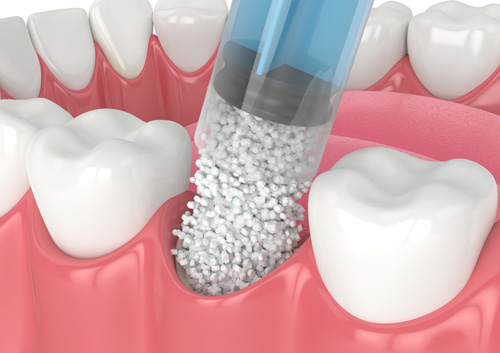
During a dental ridge augmentation, your oral surgeon adds bone graft material to a thin or shrunken section of jawbone so it can later hold a dental implant. Afterward, you can expect a few days of swelling and tenderness, about two weeks of careful eating and cleaning while the gums close, and then a quieter healing period of several months while the graft turns into your own bone. Most of the work happens beneath the surface, which is why the waiting stage matters as much as the surgery itself.
At Legacy Oral Surgery, our oral and maxillofacial surgeons perform ridge augmentation for patients in Staten Island, Elizabeth, and Union City who want dental implants but have lost bone after an extraction, gum disease, or years of wearing a denture. Below, we walk through how the procedure works, what each stage of recovery feels like, and what you can do to give the graft its best chance of taking hold.
What the Alveolar Ridge Is and Why It Shrinks
The alveolar ridge is the curved band of jawbone that holds your teeth. Tooth roots stimulate that bone every time you chew, and the bone stays full in response. When a tooth is removed or lost, that stimulation stops and the ridge begins to resorb, losing width first and then height. The change is often fastest in the first months after an extraction, and it can continue for years if the space is left empty.
A narrow or short ridge causes two practical problems. First, an implant needs bone on every side to stay stable, so a ridge that is too thin may not be able to hold one safely. Second, the gum line over a collapsed ridge can look sunken, which can make a replacement tooth look longer or out of place. If you have been told your bone loss is significant, our article on getting dental implants with severe bone loss explains how surgeons evaluate these cases.
Dental ridge augmentation is a procedure that rebuilds this bone, restoring enough height and width for an implant to be placed in the right position.
Types of Ridge Augmentation
Not every ridge needs the same repair. Your surgeon will choose an approach based on where the bone is missing, how much is gone, and whether an implant can be placed at the same visit.
Socket Preservation at the Time of Extraction
When a tooth is removed, graft material can be placed directly into the empty socket to limit the shrinkage that would otherwise follow. This is the simplest form of ridge work, and it is often planned for patients who already know they want an implant later.
Horizontal and Vertical Augmentation
Horizontal augmentation adds width to a ridge that has become thin from side to side. Vertical augmentation adds height to a ridge that has dropped. Vertical repairs are generally more demanding, and a 2023 systematic review in the Journal of Clinical Periodontology found that techniques that gain more vertical bone also tend to carry a higher rate of healing complications. That tradeoff is one reason your surgeon may recommend a staged plan rather than trying to rebuild everything at once.
Graft Materials
Graft material can come from several sources: synthetic bone substitutes, processed donor bone, animal-derived bone mineral, or a small amount of your own bone taken from another area of the jaw. Each option acts as a scaffold that your body gradually fills in with new bone. The choice depends on the size of the defect and your health history, and our page on bone grafting for dental implants covers these materials in more detail.
What Happens During the Procedure
Ridge augmentation is an outpatient procedure, and most appointments take one to two hours depending on the size of the area. Knowing the order of events ahead of time can make the day feel far more predictable.
Here is what the visit typically involves:
- Anesthesia: The area is numbed with local anesthesia. Some patients also choose sedation, and our post on sedation options for oral surgery explains the differences.
- Access: The surgeon makes a small incision in the gum and gently lifts it to expose the bone underneath.
- Grafting: Graft material is shaped and placed against the ridge where width or height is missing.
- Protection: The graft is covered with a barrier membrane that keeps soft tissue out while bone grows in.
- Closure: The gum is repositioned over the site and closed with stitches, which may dissolve or may be removed at a follow-up visit.
The membrane step is what makes the repair work. After the graft is placed, the surgeon covers it with a collagen membrane to promote proper healing and prevent the growth of unwanted tissue into the graft area. This technique is known as guided bone regeneration.
Recovery Timeline After a Ridge Augmentation
Recovery happens in two layers. The gums heal over a couple of weeks, while the bone underneath matures over several months. Every patient heals at a different pace, so treat the timeline below as a general guide rather than a fixed schedule.
The First 72 Hours
Swelling, mild bruising, and soreness are normal and often peak around the second or third day. Cold packs on the outside of the face, prescribed or recommended pain relievers, and rest with your head elevated can help. Light oozing from the site is common on the first day. If you had sedation, plan for someone to drive you home and stay with you for the rest of the day.
The First Two Weeks
During this stage the gum tissue is sealing over the graft. Stick to soft, cool, or lukewarm foods such as yogurt, eggs, soups, and mashed vegetables, and chew on the opposite side. Avoid touching the area with your tongue or fingers, and do not use straws or smoke, since suction and tobacco can disturb the site. Your surgeon will usually see you within this window to check the incision and, if needed, remove stitches.
Months Two Through Six
Once the gums close, day-to-day life returns to normal, but the real healing continues out of sight. The graft is slowly replaced and reinforced by your own bone. In many cases this takes four to six months, and larger or vertical repairs may need longer. Follow-up imaging helps your surgeon confirm that the new bone is ready before an implant is placed.
How to Protect Your Graft While It Heals
The early weeks are when a graft is most vulnerable, and small habits make a real difference. Keep the area clean by rinsing gently with salt water or the prescribed rinse, starting when your surgeon tells you to, and brush the rest of your mouth normally while skipping the surgical site until you are cleared.
If you wear a removable denture or partial, ask how it should be adjusted, because pressure on the graft can interfere with healing. Take any prescribed medications exactly as directed, and let us know about everything else you take, since some medications and health conditions affect bone healing.
Call the office if you notice swelling that gets worse after the third day, fever, a bad taste or discharge, or graft particles that seem to be coming through the gum. A 2025 systematic review of patient-reported outcomes found that bone augmentation procedures were generally well tolerated, with mostly temporary pain and swelling, and reporting problems early gives your care team the best chance to address them.
Long-Term Benefits and Considerations for a Dental Ridge Augmentation
The main benefit of ridge augmentation is a stronger, wider foundation for an implant. With enough bone, the implant can be placed where the replacement tooth needs to sit, rather than wherever the remaining bone happens to allow. That positioning can support better chewing function, easier cleaning around the implant, and a more natural gum line.
There are also tradeoffs to weigh honestly. Augmentation adds a surgery and several months to your treatment timeline, and the amount of bone that can be rebuilt varies from person to person. Smoking, uncontrolled diabetes, and certain medications can reduce how well a graft heals. Your commitment to the treatment plan and follow-up care is a big part of how well the site develops, and your surgeon can tell you what is realistic for your situation.
If you are scheduled for surgery soon, our step-by-step guide to preparing for a dental ridge modification covers what to arrange before the day of your procedure.
Personal Care From Our Oral Surgery Team
Ridge augmentation is a core part of the implant work our surgeons do every week. Our practice is led by Dr. Nancy Herbst, who has more than 25 years of experience in oral and maxillofacial surgery, and our team evaluates the ridge with imaging before recommending a graft. We offer local anesthesia as well as in-office general anesthesia, and we coordinate closely with your general dentist so the graft and the final implant restoration fit one plan.
If you are considering dental ridge augmentation or have questions about whether you have enough bone for an implant, visit our contact form to request a consultation at our Staten Island, Elizabeth, or Union City office.
Frequently Asked Questions About Dental Ridge Augmentation
Is ridge augmentation painful?
The procedure itself is performed with local anesthesia, and sedation is available, so you should not feel pain during surgery. Afterward, most people describe soreness and swelling rather than sharp pain. Discomfort is usually strongest in the first two to three days and can often be managed with over-the-counter or prescribed pain relievers, cold packs, and rest.
How long after ridge augmentation can I get a dental implant?
In many cases, the graft needs about four to six months to mature before an implant is placed, and larger or vertical repairs may take longer. For smaller defects, a surgeon can sometimes place the implant and the graft at the same visit. Your surgeon will use follow-up imaging to confirm the bone is ready before scheduling implant surgery.
What can I eat after a ridge augmentation?
For the first week or two, choose soft, cool, or lukewarm foods such as yogurt, smoothies eaten with a spoon, scrambled eggs, soups, and mashed vegetables. Chew on the opposite side of your mouth and avoid crunchy, hard, spicy, or very hot foods. Skip straws, since suction can disturb the site. Your surgeon will tell you when it is safe to return to a normal diet.
Is it normal for small graft particles to come out?
Finding a few small, sand-like granules in your mouth during the first several days can be normal, especially with particulate graft material. A larger amount, an opening in the gum, or particles that keep appearing after the first week should be reported to your surgeon so the site can be checked.
Can a ridge augmentation fail?
Many grafts heal as planned, but some do not integrate as fully as expected. Infection, the gum opening over the graft, pressure from a denture, smoking, and certain health conditions can all reduce how much bone forms. When a graft does not produce enough bone, a second grafting procedure or a different implant plan may be possible. Following your aftercare instructions closely helps lower these risks.
About the Author
Oral and Maxillofacial Surgeon | Owner, Legacy Oral Surgery
Dr. Nancy Herbst has more than 25 years of experience and leads the team of oral and maxillofacial surgeons at Legacy Oral Surgery. She earned her Doctorate of Dental Surgery from New York University College of Dentistry and served as Chief Resident in the Department of Oral and Maxillofacial Surgery at Jersey City Medical Center.