Medically Reviewed by Dr. Nancy Herbst, DDS
For many people, microneedling is worth it, especially if your main concerns are acne scars, fine lines, enlarged pores, or skin texture that looks dull or uneven. It is a minimally invasive treatment with short downtime, and it works with your own biology rather than against it. Tiny, controlled punctures in the skin set off a repair response, stimulating the body’s natural healing process and encouraging new collagen and elastin. The catch is that results build slowly, usually take more than one session, and vary from person to person. Whether it is worth it for you depends on what you want to change, how patient you are willing to be, and whether your skin is a good fit.
Legacy Oral Surgery and Implants is best known for oral and maxillofacial surgery, and our surgeons spend their careers working with the structures of the face. That background shapes how we approach our facial aesthetics services, including microneedling: careful screening, sterile technique, and honest conversations about what a treatment can and cannot do. Below, we walk through how microneedling works, what it treats, the tradeoffs to weigh, and how to decide if it makes sense for your skin.
What Microneedling Actually Does to Your Skin
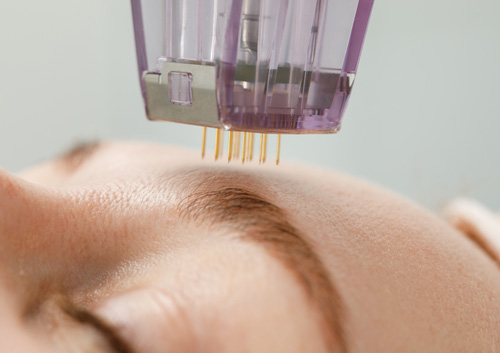
Microneedling, also called collagen induction therapy, uses a handheld device fitted with very fine, sterile needles. As the device moves across the skin, it creates thousands of microscopic channels. These channels are small enough to close quickly, yet they signal the skin that it has been injured. The body responds the way it does to any minor wound: blood flow increases, growth factors are released, and cells called fibroblasts begin producing fresh collagen and elastin.
Collagen is the protein that gives skin its structure and firmness. Elastin lets skin stretch and spring back. Both decline naturally with age, sun exposure, and smoking, which is part of why skin gradually loses its smooth, resilient look. By prompting the skin to rebuild these fibers, microneedling may help soften the look of scars and lines over time.
Professional Treatment Versus At-Home Rollers
Not all microneedling is the same. In a medical office, a clinician adjusts needle depth for each area of the face and works under sterile conditions. At-home rollers and stamps use much shorter needles and are not designed to reach the depth where meaningful collagen remodeling happens. The American Academy of Dermatology notes that home and spa devices tend to produce less noticeable results and carry their own risks, including irritation from overuse, infection, and scarring from pressing too hard.
Skin Concerns Microneedling Can Help With
Because it works by encouraging the skin to repair itself, microneedling can be used on a wide range of concerns. According to the American Academy of Dermatology’s overview of microneedling, it may help with the following:
- Acne scars: Depressed or rolling scars are among the most common reasons people try microneedling, and many see gradual softening over a series of sessions.
- Fine lines and wrinkles: New collagen can make shallow lines around the eyes, mouth, and forehead look less pronounced.
- Enlarged pores and rough texture: Many people notice smoother, more even-feeling skin as remodeling progresses.
- Uneven tone and dark spots: Microneedling may help with some types of discoloration, including melasma, when used as part of a broader plan.
- Other scars and stretch marks: Surgical scars, injury scars, and stretch marks may also improve, though they often respond more slowly.
Results differ based on the type and depth of the concern. Deep, pitted scars may soften but rarely disappear completely, while mild texture issues tend to respond faster. A consultation is the best way to learn what is realistic for your skin.
The Case for Microneedling
When people ask whether microneedling is worth the time and money, the answer usually comes down to a few real advantages that set it apart from other skin treatments.
Natural-Looking, Gradual Change
Microneedling does not add anything foreign to the skin. It relies on your own collagen, so improvements tend to look natural and build steadily rather than appearing overnight. For people who want their skin to look healthier without looking “done,” that gradual quality is often a selling point.
Short Downtime
Compared with deeper laser resurfacing or strong chemical peels, microneedling typically involves a brief recovery. Most people have redness similar to a mild sunburn for a day or two, and many return to work or school right away. The AAD advises waiting about 24 hours before applying makeup.
A Good Partner for Other Treatments
The tiny channels created during treatment can allow for better absorption of topical skincare products and serums applied in the office. Some patients choose to pair microneedling with platelet-rich plasma (PRP) or other add-ons, and it also fits well alongside injectable treatments like dermal filler as part of a larger facial rejuvenation plan.
Suitable for Many Skin Tones
Unlike some lasers, which can raise the risk of pigment changes in darker skin, microneedling does not rely on heat or light to work. The AAD describes it as safe for all skin tones when performed by a trained medical provider, which makes it an option for people who may not be good candidates for certain resurfacing treatments.
Ready to Schedule Your Consultation?Our team is here to help you decide whether microneedling fits your skin goals. Schedule your appointment today.Request an Appointment
Drawbacks and Risks to Weigh
Microneedling has a strong safety record, but it is still a medical procedure. A 2021 systematic review of microneedling side effects in the Journal of Clinical and Aesthetic Dermatology looked at 51 studies and concluded that it is relatively safe, with most side effects being temporary redness, discomfort, and swelling. Pinpoint bleeding during treatment is expected and usually settles quickly.
Less Common Complications
The same review describes rarer problems, including infection, scarring in a track-like pattern, and post-inflammatory hyperpigmentation, which is darkening of the skin that is a particular concern for people with deeper skin tones. Several of the infection reports involved roller devices, including one used at home. Choosing a provider who follows strict sterile technique and adjusts depth carefully can lower these risks considerably.
Time, Patience, and Cost
Microneedling is rarely a one-visit treatment. The AAD notes that acne scars often call for a series of sessions spaced a few weeks apart, and some people benefit from a maintenance session about once a year. Because collagen forms gradually, full results usually take several months to show. If you are hoping for a dramatic change before an event next week, microneedling is probably not the right tool. Cost varies with the number of sessions and any add-ons, so ask about a full treatment plan during your consultation rather than focusing on the price of a single visit.
Who Is a Good Candidate, and Who Should Wait
Good candidates are generally healthy adults with mild to moderate scarring, early signs of aging, or texture concerns who are comfortable with gradual improvement. The procedure is often postponed or not recommended in certain situations. According to the AAD, you may need to wait or choose a different treatment if you have an active skin infection, a fresh sunburn or tan, or painful, inflamed breakouts in the treatment area. The same applies if you have a history of keloid scars, tend to heal slowly, have a weakened immune system, or are receiving radiation or skin cancer treatment in the area. If you have recently taken isotretinoin, a prescription acne medication, the AAD recommends waiting at least one month after your last dose.
Let your provider know about any medications, supplements, or skin conditions such as eczema, psoriasis, or rosacea.
What a Typical Treatment Looks Like
Before treatment, a numbing cream is usually applied to keep you comfortable. The session itself often takes under an hour, depending on the size of the area. Afterward, your skin may feel warm and tight and look flushed. For a step-by-step look at what to expect before, during, and after a microneedling session, see our companion post.
Aftercare is simple but matters. Keep the skin clean, use gentle products, skip harsh exfoliants and active ingredients for a few days, avoid strenuous workouts for at least a day, and be diligent about sunscreen. Fresh, healing skin is more sensitive to sun, and protecting it supports better results.
So, Is Microneedling Worth It?
Microneedling tends to be worth it for people who want a low-downtime way to improve scars, lines, pores, or texture and who are willing to commit to a series of treatments. It is less likely to satisfy someone who wants immediate, dramatic change, has very deep scarring that may need a surgical or combination approach, or has a medical condition that makes healing unpredictable. The value comes from matching the treatment to the right concern, setting realistic expectations, and having it performed safely.
The best way to find out is to talk with a provider who can examine your skin, review your health history, and outline a plan that fits your goals.
Why Choose Legacy Oral Surgery and Implants for Your Facial Aesthetic Needs?
Our team at Legacy Oral Surgery and Implants is led by Dr. Nancy Herbst, an oral and maxillofacial surgeon with more than 25 years of experience. Our surgeons are trained in the anatomy, healing, and sterile surgical technique of the face, and we bring that same care to aesthetic treatments. We offer microneedling in Union City as well as microneedling at our Elizabeth office, with options to add treatments such as PRP when appropriate.
If you are weighing microneedling or another facial aesthetic treatment, we would be glad to help you sort through your options and decide what makes sense for your skin. Use our contact form to schedule a consultation and learn more about our services.
Frequently Asked Questions About Microneedling
How many microneedling sessions will I need?
Most people need a series of treatments rather than a single visit. For acne scars, the American Academy of Dermatology describes a series of sessions spaced a few weeks apart. Milder texture concerns may need fewer. Your provider will suggest a plan based on your skin and goals, and some people return for a maintenance session about once a year.
When will I see results from microneedling?
Some people notice a brighter, smoother look within a few weeks, but collagen forms gradually. Full results usually take several months to develop, and they build with each session in a series. Results vary from person to person and depend on the concern being treated.
Does microneedling hurt?
A numbing cream is usually applied before treatment, so most people describe the sensation as mild pressure or light scratching rather than pain. Afterward, skin often feels warm and tight, similar to a mild sunburn, for a day or two.
Is at-home microneedling as effective as a professional treatment?
Generally not. At-home rollers and stamps use shorter needles that do not reach the depth needed for meaningful collagen remodeling, and they carry risks such as irritation, infection, and scarring when used too often or with too much pressure. A professional treatment uses sterile equipment and adjusts needle depth for each area of the face.
Can microneedling be done on darker skin tones?
Yes. Because microneedling does not rely on heat or light, the American Academy of Dermatology describes it as safe for all skin tones when performed by a trained medical provider. Temporary darkening of the skin is still possible, so careful technique, sun protection, and good aftercare remain important.
About the Author
Oral and Maxillofacial Surgeon | Owner, Legacy Oral Surgery
Dr. Nancy Herbst has more than 25 years of experience and leads the team of oral and maxillofacial surgeons at Legacy Oral Surgery. She earned her Doctorate of Dental Surgery from New York University College of Dentistry and served as Chief Resident in the Department of Oral and Maxillofacial Surgery at Jersey City Medical Center.